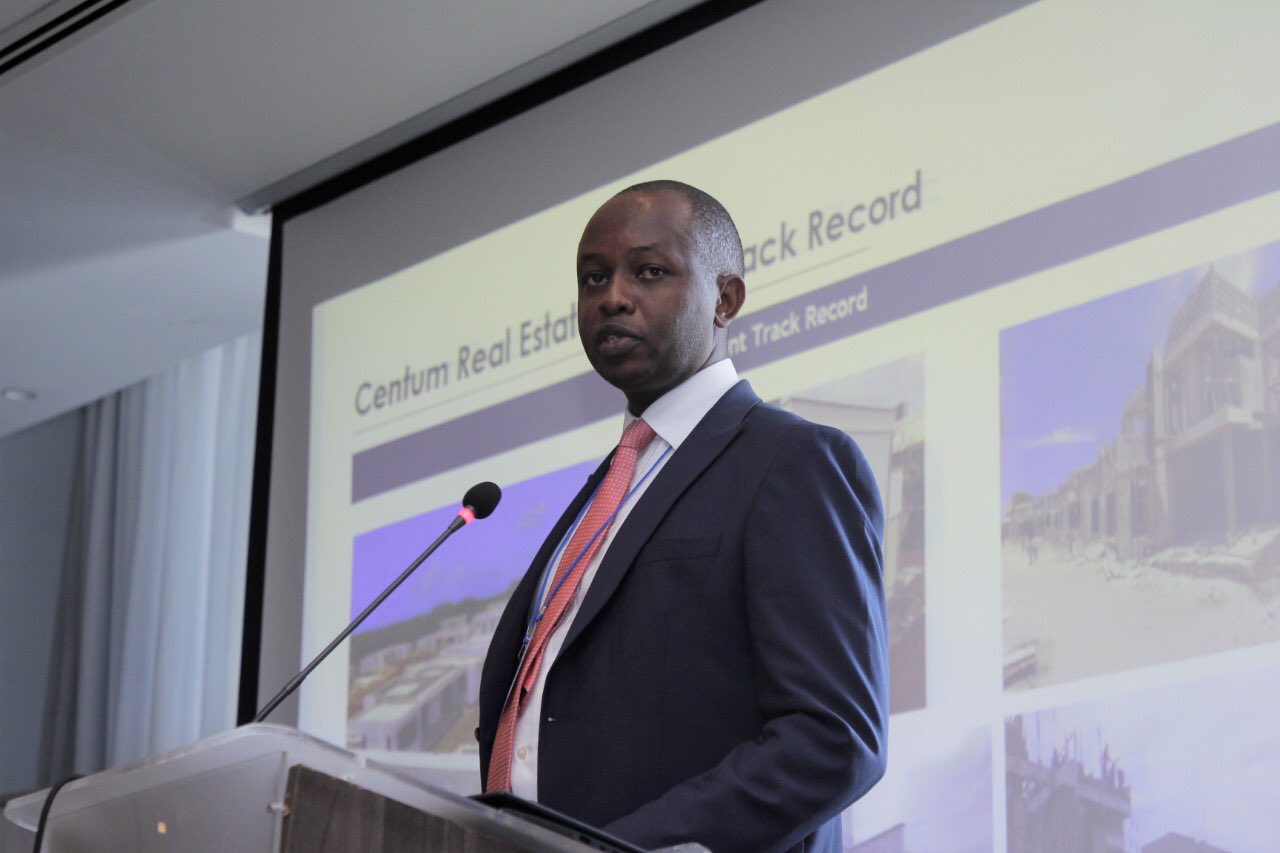
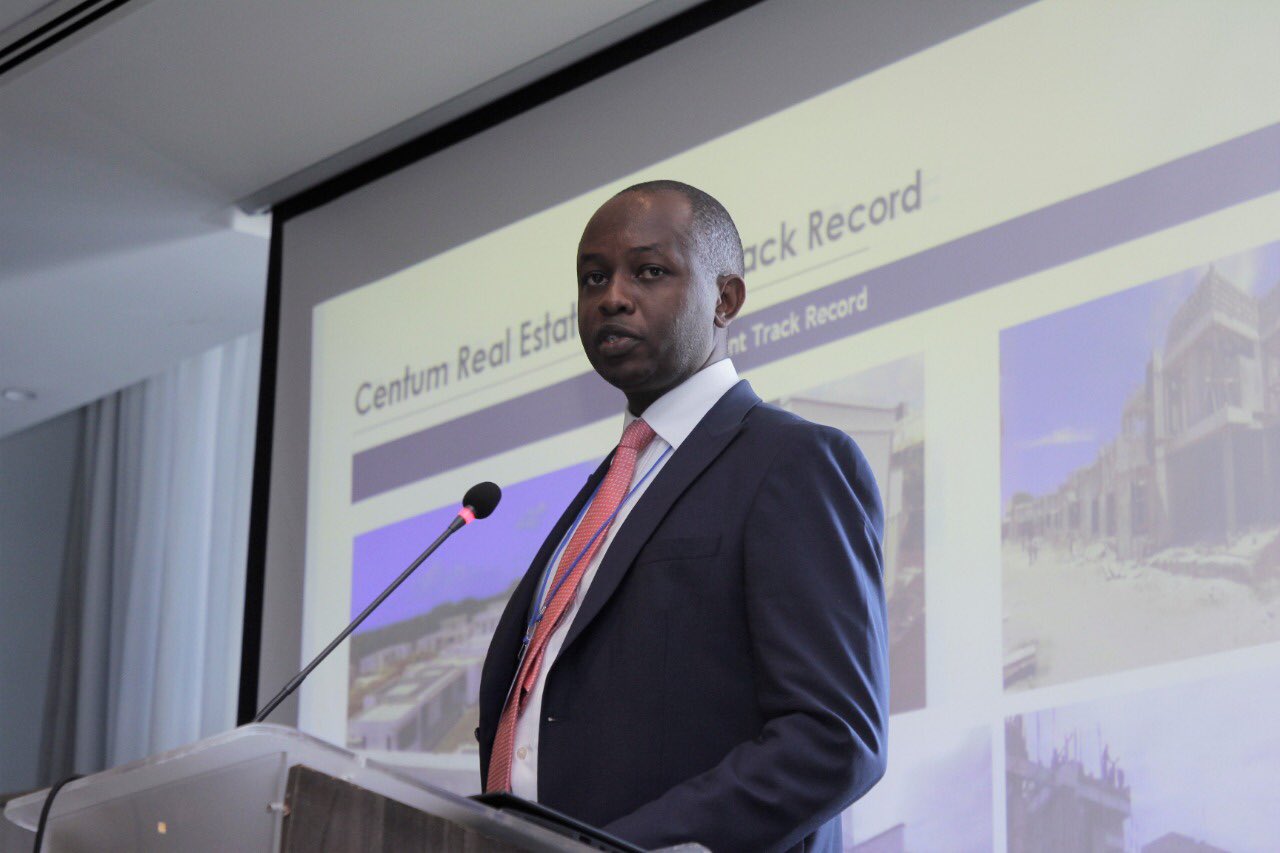
 Centum Real Estate managing director, Kenneth Mbae, /FILE
Private sector players are increasingly stepping into Kenya’s education space as an alternative safety net for vulnerable learners, with Centum Investment Company’s real estate subsidiary, Vipingo Development PLC, emerging as a case study in long-term corporate-backed schooling support.
Over the past nine years, Vipingo Development has spent about Sh135 million to educate 450 academically strong but needy students from Kilifi County and surrounding areas, at a time when public schools continue to grapple with funding constraints and uncertainty under the new Competency-Based Education (CBE) system.
The scholarship programme, launched in 2016, targets learners from low-income households who perform well in national assessments but face the risk of dropping out due to lack of school fees.
This year, the number of beneficiaries rose to 450, with an additional 50 students set to join the programme as the first cohort transitions into senior secondary school under the CBE framework.
“The scholarship program reflects Vipingo Development’s belief that education is a cornerstone for socio-economic transformation, and its commitment to nurturing future leaders through structured, long-term academic support,” said the Centum Real Estate managing director, Kenneth Mbae, during award of the scholarships in Kilifi County.
The expansion comes as education stakeholders raise concerns about the affordability of senior secondary education, particularly for families in rural and peri-urban areas where household incomes remain fragile.
While the government has pledged continued support for the new education structure, schools and parents have warned that funding gaps could widen inequality if alternative support mechanisms are not found.
Unlike short-term bursaries, Vipingo’s programme commits to paying beneficiaries’ fees throughout their senior secondary education, offering a level of certainty that many public schemes struggle to guarantee.
“The programme underscores the company’s long-term commitment to education access, community empowerment, and sustainable development within its host communities,” noted the Vipingo Development PLC Board Chair, Ms Catherine Mturi-Wairi.
Selection is based on performance in the Kenya Junior Secondary Education Assessment (KJSEA) and verification of financial need.
The initiative also reflects a broader shift in how corporate capital is being deployed, moving beyond one-off donations towards structured, long-term social investment.
In addition to secondary education, the programme incorporates vocational training pathways, with some graduates considered for job placements within Centum-backed projects, including the Vipingo mixed-use development.
Vipingo Development operates a 10,254-acre master-planned project in Kilifi County that integrates industrial parks, residential areas and social infrastructure.