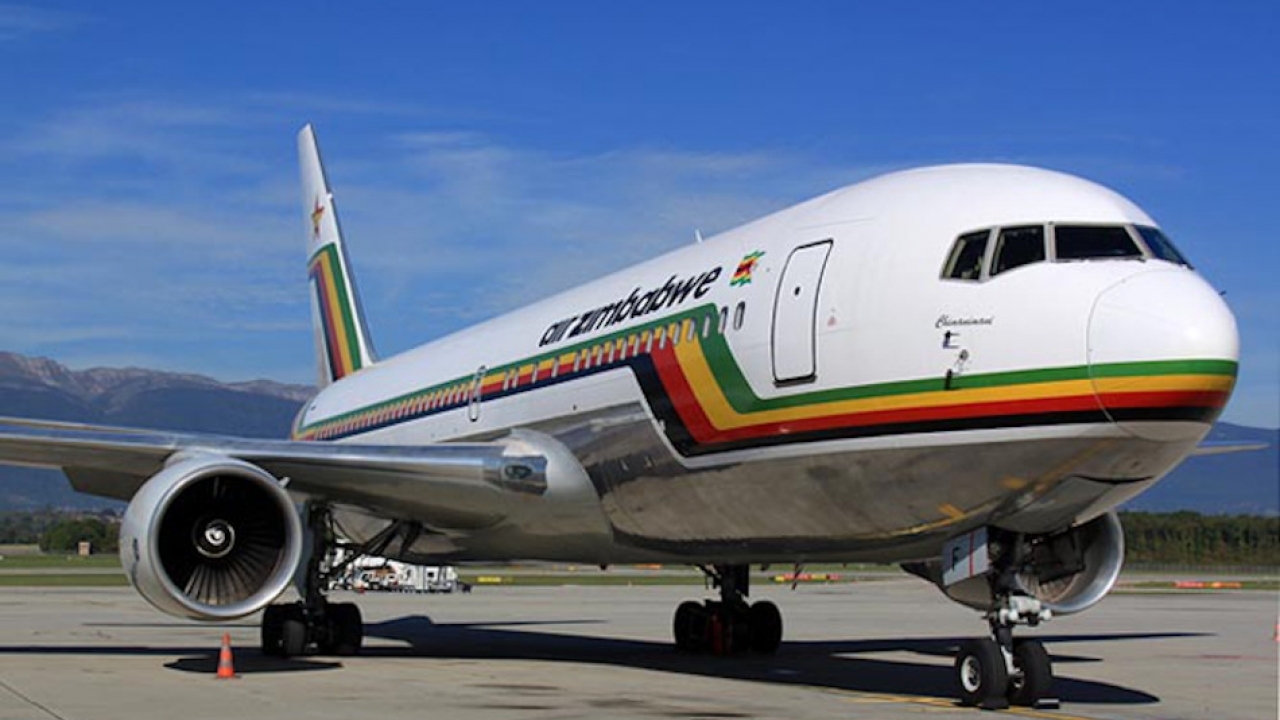
Air Zimbabwe has outlined plans to acquire six new aircraft over the next three years as part of a broader effort to stabilise and rebuild the national carrier. The proposed investment, valued at about US$775.5 million, forms the core of a five-year turnaround strategy aimed at restoring domestic, regional and international services.
The fleet renewal is intended to replace ageing Boeing 737 and 767 aircraft that have become costly to operate and maintain. Management has identified high maintenance costs and unreliable aircraft availability as key contributors to the airline’s long-running financial strain.
READ – Zimbabwe’s Economy Readies for Accelerated Growth
The plan is being supported by the Mutapa Investment Fund, which recently assumed oversight of several state-owned enterprises, alongside backing from the national Treasury. As reported by Mutapa Investment Fund briefings, the objective is to introduce stronger commercial discipline and professional governance to entities that have struggled under past management models.
The acquisition programme is structured in phases. Two aircraft, each priced at roughly US$49 million, are earmarked for domestic routes to increase frequencies and rebuild confidence in the airline’s internal network. This is expected to support business travel and improve links between major cities.
A second phase focuses on regional operations, with two regional jets budgeted at about US$101 million each. These aircraft are intended to help the airline regain ground on regional routes where competition from better-capitalised carriers has intensified over the past decade.
The most capital-intensive component involves two wide-body aircraft costing about US$225 million each. These planes are planned for long-haul services, enabling the airline to restore direct international connections that are viewed as critical for trade, tourism and diaspora travel.
READ – SA Property Developer to Construct Mall of Zimbabwe
The recapitalisation aligns with Zimbabwe’s National Development Strategy 2, which prioritises improved connectivity to stimulate tourism and economic growth. According to Zimbabwe Ministry of Finance and Economic Development policy papers, aviation reform is seen as a catalyst for reviving visitor numbers, which fell sharply alongside Air Zimbabwe’s decline from carrying about one million passengers in 1999 to fewer than 20,000 by 2016.