As I reflect on the many ways hope endures in our world, I find myself drawn to the work of sisters in northern Uganda, who serve as channels of hope for vulnerable and marginalized members of society. Though the Jubilee Year 2025 has passed, the spirit of hope it inspired remains alive through their ministry.
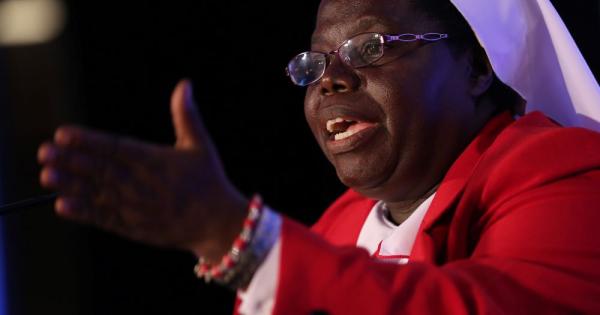
Sr. Rosemary Nyirombe, who leads the Sacred Heart Sisters’ work at St. Monica Vocational Institute in Moyo, Uganda, sees herself as more of a visionary, someone who quickly finds new approaches to solving emerging situations that call for attention through innovation. Her role now is mostly supervisory — giving a sense of direction to her team most of the time.
The sisters focus on supporting returnees from the Lord’s Resistance Army, school dropouts and those made vulnerable by other challenges, including the COVID-19 pandemic. At St. Monica, the vocational institute offers programs on tailoring and other skills, pre-primary education, and health services — all aimed at making vulnerable people self-reliant.
Many beneficiaries have expressed gratitude, saying what the sisters do has improved their personal and family lifestyles. Sister Rosemary encourages young mothers to “get married” to the skills they learn, helping them gain independence and resilience. Women like Lucy, who lost her husband — the father of her two children — found strength in those skills to raise her orphaned children. Others facing divorce or separation stay strong through sustainable empowerment.
The sisters also accompany victims of gender-based violence, a heavy consequence of the war. Many women and girls who were captive or forced into marriage with rebels were rejected by their communities upon returning home. The sisters offer psychosocial and spiritual accompaniment, becoming intermediaries of hope.
Based on the trust society has in Catholic sisters, recently, one woman, captured as a young child by rebels and forced to babysit Lord’s Resistance Army leader Joseph Kony’s flock of grandchildren, came to St. Monica. She arrived with friends from South Sudan, the Central African Republic and the Democratic Republic of Congo. Among them, the three women had 13 children whom the sisters enrolled in the primary school section.
Their care also extends to people living with HIV/AIDS, victims of human trafficking, and people with disabilities. One beneficiary has received care since he was 5 years old. Despite being rejected by his parents and writing with his toes, he excels in school and dreams of becoming an engineer.
In many African societies, women are denied ownership of resources such as livestock and land. The sisters help address this by awarding certificates and providing startup capital to learners, which helps fight poverty and gender-based violence while encouraging self-reliance.
Recognizing the scale of their work, Sister Rosemary acknowledges that these programs are too big for religious sisters alone. They seek collaboration with local governments and stakeholders to integrate and align efforts for wider impact.
Sister Rosemary’s community relies on networking and support, including financial help from friends abroad and shared resources with beneficiaries. This cooperation advances their mission with compassion and solidarity.
Hope is definitely a journey that requires vision, compassion and persistence. The sisters of St. Monica understand that given people’s backgrounds, they need more time to cope with life. The more time given, the better for their self-discovery and integration into society. St. Monica’s is proof that even amid hardship, hope can flourish when we serve with open hearts.