The decision follows South Africa’s exit from the Financial Action Task Force greylist and its removal from the United Kingdom’s high-risk country list in October 2025. Pretoria had been placed under increased FATF monitoring in February 2023, a move that automatically triggered its inclusion on the EU’s list of high-risk third-country jurisdictions later that year.
Greylisting subjected South African transactions with European partners to enhanced due diligence, including tighter documentation requirements, ongoing monitoring, and senior management approval.
The National Treasury said these measures added significant friction to cross-border payments and investment, complicating trade with one of the country’s most important economic partners.
In its announcement, the European Commission said South Africa, alongside Burkina Faso, Mali, Mozambique, Nigeria, and Tanzania, had strengthened its anti-money laundering and counter-terrorism financing frameworks and addressed technical shortcomings identified by FATF. The Commission stated that these countries “no longer have strategic deficiencies in their AML/CFT regimes.”
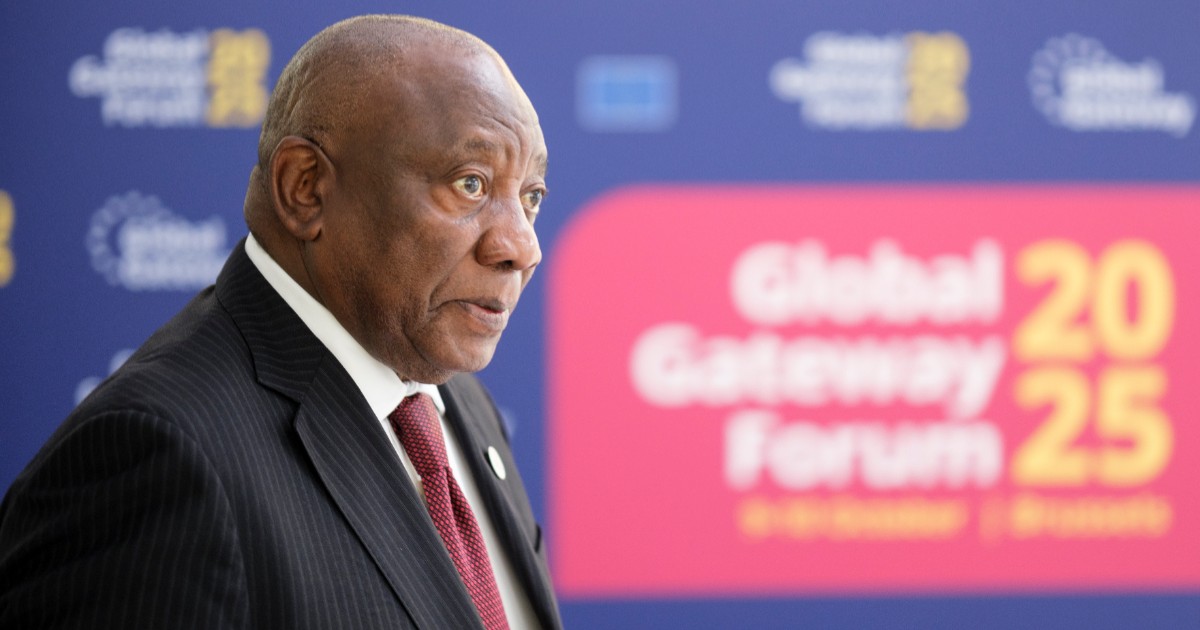
![President Cyril Ramaphosa and European Commission President Ursula von der Leyen announced a €12 billion EU investment package for South Africa at the Global Gateway Forum in Brussels. [X, formerly Twitter/@GovernmentZA]](data:image/svg+xml;charset=utf8,%3Csvg%20xmlns%3D'http%3A%2F%2Fwww.w3.org%2F2000%2Fsvg'%20width%3D'790'%20height%3D'445'%20data-ring-placeholder%3D'1'%3E%3C%2Fsvg%3E "President Cyril Ramaphosa and European Commission President Ursula von der Leyen announced a €12 billion EU investment package for South Africa at the Global Gateway Forum in Brussels. [X, formerly Twitter/@GovernmentZA]")
South Africa’s National Treasury welcomed the development but struck a cautious note, warning that delisting does not mean all risks have been eliminated.
Officials said further work is required to improve the prevention, detection, investigation, and prosecution of money-laundering and terrorism-financing offences.
Treasury officials say lessons from the greylisting episode will shape reforms aimed at safeguarding the financial system and avoiding future sanctions, as the country seeks to reinforce its standing with global and African partners alike.