Subscribe
Rebkha Atnafou‑Boyer, MPH, Founder and CEO of RND Associates and Vice President of the Ethio‑American Chamber of Commerce, has emerged as a visible figure in Ethiopia’s ongoing push to strengthen investment, institutional partnerships, and diaspora engagement across key development sectors.
During a recent business mission to Ethiopia, Atnafou‑Boyer participated in high‑level engagements spanning health, tourism, infrastructure, and economic diplomacy. Her visit formed part of a broader Ethio‑American Chamber of Commerce delegation focused on translating diaspora expertise into practical collaboration with Ethiopian institutions.
One of the central moments of the visit included discussions with senior officials from Ethiopia’s Ministry of Health. The talks explored opportunities to support domestic pharmaceutical manufacturing, expand specialized health services such as cancer diagnosis and treatment, and strengthen professional training and experience‑sharing for healthcare workers. Ethiopian Minister of Health Dr. Mekdes Daba emphasized the importance of prioritizing local production of essential medicines, reducing reliance on imports, and introducing advanced medical services. The discussions also highlighted the role of private sector investment, particularly through training, technology transfer, and professional support, in building long‑term human capital.
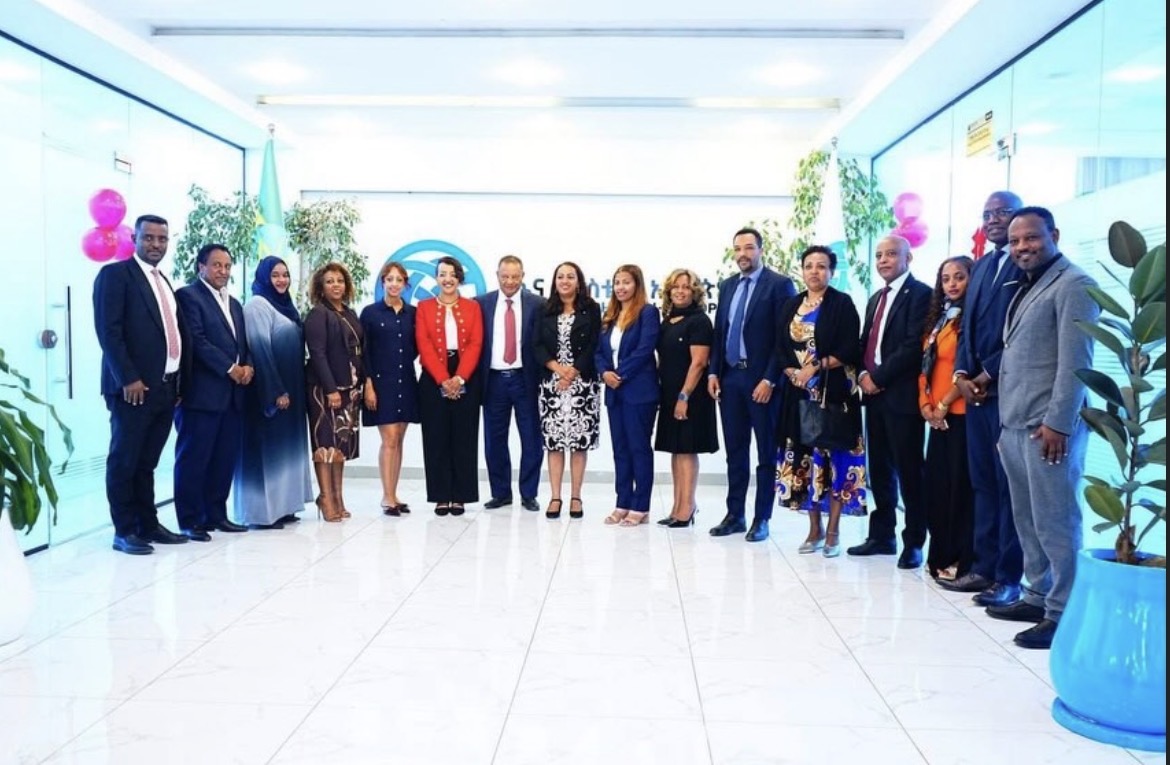
Atnafou‑Boyer also joined meetings with Ethiopia’s Ministry of Tourism, where the delegation, led by Chamber President Elias Weldu, engaged Minister Selamawit Kassa on investment opportunities and diaspora participation in the tourism and hospitality sector. The Minister outlined Ethiopia’s evolving investment landscape, noting increased government focus on tourism and infrastructure development. She encouraged diaspora leaders to play an active role in promoting Ethiopia accurately on the global stage through firsthand knowledge and sustained engagement.
Beyond formal meetings, Atnafou‑Boyer’s visit included on‑the‑ground exposure to national infrastructure priorities. She visited the Grand Ethiopian Renaissance Dam as part of the Chamber’s learning mission focused on understanding the project’s economic, energy, and development implications. The visit also supported plans for a future symposium on the dam at Johns Hopkins University, aimed at fostering informed dialogue and international collaboration.
 Rebkha Atnafou-Boyer, MPH
Representing RND Associates, Atnafou‑Boyer used the mission to explore opportunities for cross‑sector collaboration, growth, and long‑term partnership building. Her engagements reflect a broader strategy centered on connecting diaspora professionals with institutional reform efforts rather than short‑term or symbolic involvement.
The visit also highlighted the role of cultural connection in economic diplomacy. During her stay, Atnafou‑Boyer participated in public and informal engagements that underscored Ethiopia’s growing global visibility and its appeal as a meeting point for business, culture, and international exchange.
Taken together, the engagements point to a model of diaspora leadership that prioritizes structured dialogue, sector‑specific investment, and long‑term institutional alignment. Rather than positioning development as an external intervention, the approach emphasizes collaboration rooted in shared accountability and mutual benefit.
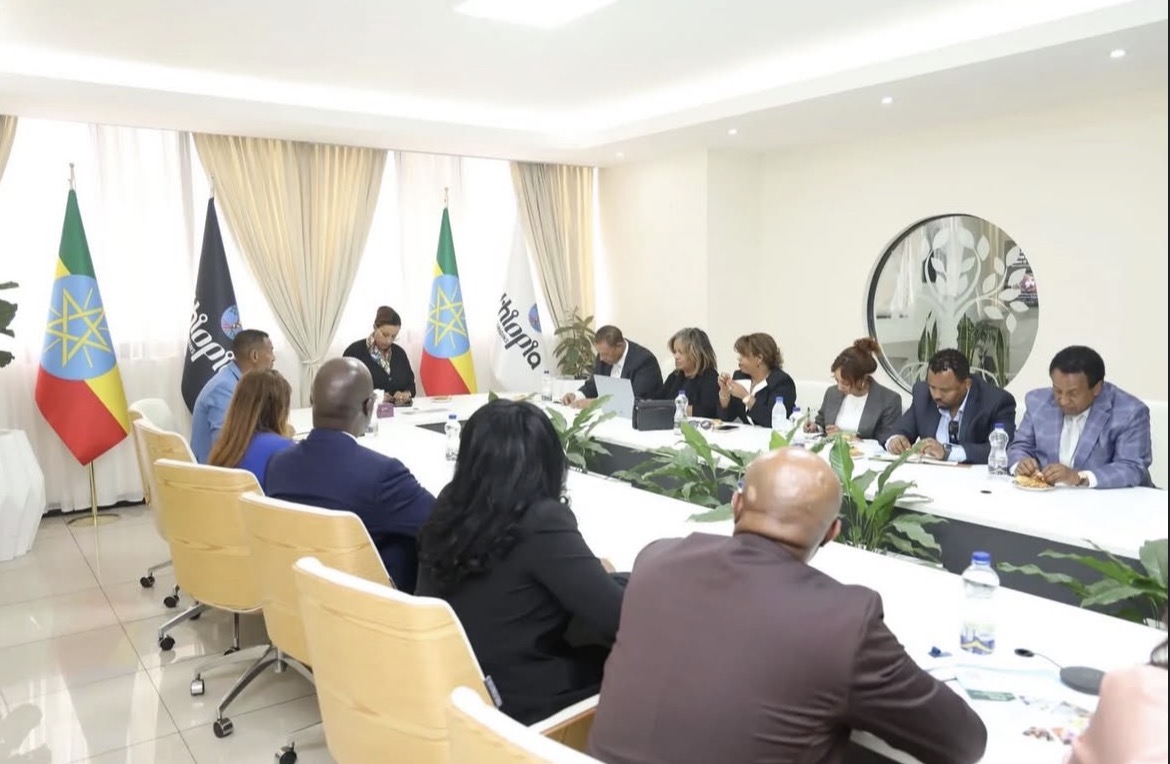
As Ethiopia continues to modernize its health systems, tourism infrastructure, and energy capacity, the role of diaspora leaders like Rebkha Atnafou‑Boyer illustrates how global expertise can be mobilized to support national priorities without displacing local ownership.
Africa’s development trajectory cannot be measured against nations with centuries of uninterrupted institutional history. The continent is young, its systems are evolving, and its progress is shaped by leaders willing to build patiently, invest deliberately, and think beyond short political cycles. In that context, efforts grounded in collaboration, realism, and long‑term vision continue to point toward a future defined not by comparison, but by possibility.
Related