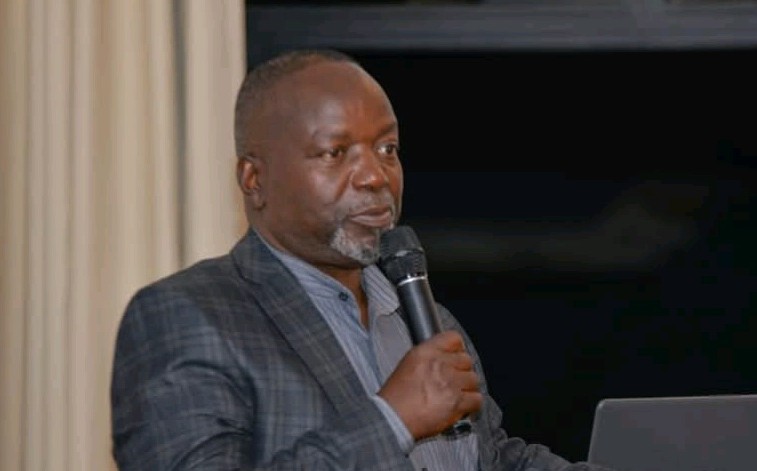
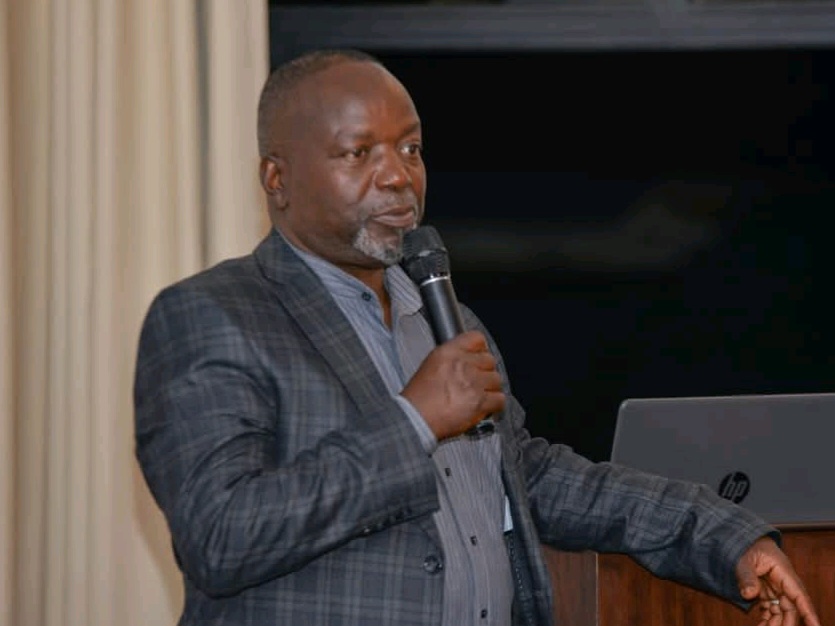
 The late former JOOTRH CEO Dr George Rae, during a past function at the facility /KNA
The Kisumu County Government has paid medical, mortuary, and freight bills totalling Sh5.2 million to secure the release and repatriation of the body of former Jaramogi Oginga Odinga Teaching and Referral Hospital (JOOTRH) CEO Dr George Rae, who died in South Korea late last year.
The settlement follows negotiations with South Korean authorities, which led to a partial waiver of the total outstanding bill of Sh16.7 million.
Dr Rae’s body had been held in Seoul over the unpaid hospital expenses after he collapsed and passed away on December 26, 2025, while on official duty in the Republic of South Korea.
In a statement on Saturday, the county government said the bill was reviewed and substantially reduced following the intervention of Governor Peter Anyang’ Nyong’o.
The hospital charges were revised to 59.003 million Korean Won (approximately Sh5.2 million), which the county has now settled.
The county also covered the full cost of transporting Dr Rae’s body from Seoul to Kenya, clearing the way for its release.
Dr Rae’s body is scheduled to depart Seoul on Monday, January 5, 2026, at 11 pm (Korean time) on an Emirates Airlines flight via Dubai, and is expected to arrive in Nairobi on Tuesday, January 6.
At the family’s request, the body will be received and held in Nairobi until burial arrangements are finalised, with the date to be communicated later.
Dr Rae previously served as CEO of JOOTRH and later as a health advisor to Governor Nyong’o.
He was involved in resource mobilisation initiatives aimed at strengthening Kisumu’s health sector.
He is credited with instituting reforms at JOOTRH that contributed to the hospital’s elevation to a national referral facility.
He also played a leading role in the Sickle Cell ZERO movement, which led to the county’s first sickle cell conference, the establishment of Warrior Support Groups, and the employment of trained medical personnel within the hospital.
Through partnerships, Dr Rae helped bring bone marrow transplant services closer to the community, expanding local access to specialised care.
He had travelled to South Korea in early December as part of a high-level delegation to attend a Smart Cities conference focused on integrating artificial intelligence and digitisation into Kisumu’s urban services.
Dr Rae suffered a cardiac arrest and was admitted to a local hospital intensive care unit.
He was later transferred to a specialised facility for extracorporeal membrane oxygenation (ECMO), where he passed away on December 26, 2025.