Home » AFRICA » Ghana Strengthens Cultural Ties with African Diaspora Through Heritage Tourism
Published on
January 15, 2026
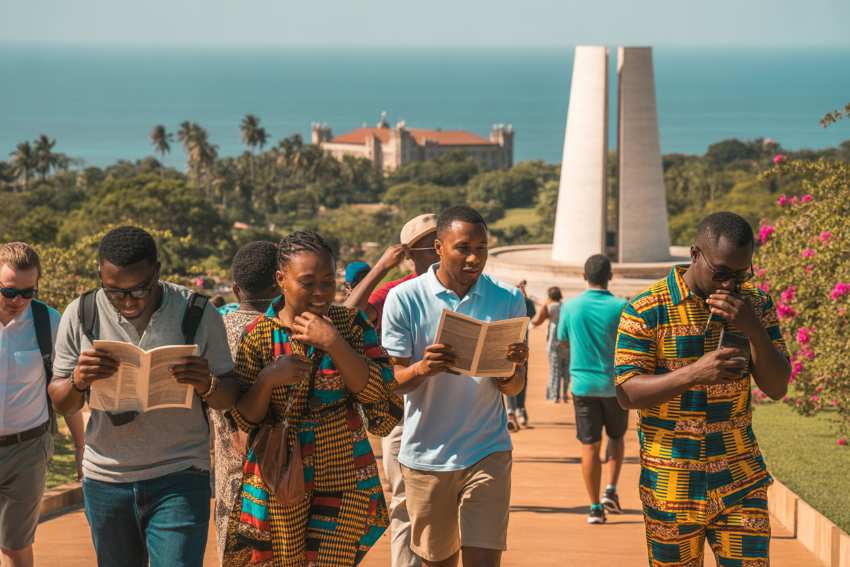
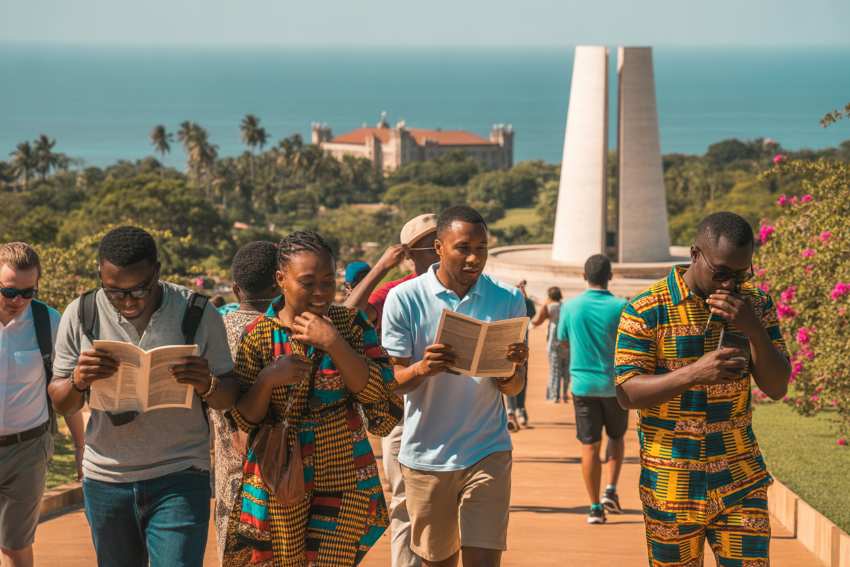
Ghana has recently witnessed a powerful cultural moment with the visit of approximately 500 members from the prestigious Alpha Kappa Alpha Sorority. The delegation’s tour of Ghana’s historic landmarks, including the Kwame Nkrumah Memorial Park, played a significant role in deepening cultural ties between the African diaspora and the African continent. This visit, which was part of the sorority’s 118th Founder’s Day celebration, was strategically aligned with Ghana’s broader tourism objectives of positioning itself as a central hub for African American cultural reconnectivity.
This high-profile visit, led by the Adinkra Group President and CEO Diallo Sumbry, signified more than just a commemorative event. It was an essential part of ongoing efforts to highlight Ghana as a prime destination for heritage tourism while also driving forward economic growth through diaspora engagement. The visitors’ participation in local cultural activities at Nkrumah Memorial Park and their scheduled visits to iconic historic sites like Assin Manso and Cape Coast solidified Ghana’s role in the global conversation surrounding the African diaspora and heritage tourism.
The Significance of the African Diaspora’s Engagement with Ghana
Ghana’s strategic engagement with the African diaspora is part of a long-term initiative encapsulated in the “Year of Return” and “Beyond the Return” campaigns. These efforts have already attracted thousands of visitors from the diaspora, reinforcing Ghana’s commitment to preserving its rich cultural and historical heritage while simultaneously stimulating its tourism economy. The initiatives have proven effective in re-establishing links between African Americans and their ancestral roots, thus nurturing a stronger emotional and financial bond with the nation.
The visit to key heritage sites like the Cape Coast Castle, known for its deep connection to the Atlantic slave trade, and the Assin Manso site, which is home to the Last Bath Slave River, is symbolic. These historic locations remain at the heart of Ghana’s cultural offerings. They not only serve as powerful reminders of the atrocities of the past but also highlight the nation’s resilience and commitment to remembering its history. Ghana continues to be at the forefront of heritage tourism by making these sites accessible to global visitors.
For the diaspora, visiting these historic sites is a deeply emotional and transformative experience. It represents a reconnection with their ancestral past, fostering an understanding and appreciation of the history that has shaped the African-American identity. However, these visits have a far-reaching impact that goes beyond cultural remembrance.
Economic Impact and Opportunities for Growth
Diaspora tourism is a critical driver of Ghana’s economy, contributing substantially to foreign exchange earnings. Visitors from the African-American community tend to spend more per trip compared to other tourist segments, engage in longer stays, and are particularly drawn to experiences that allow them to connect with their heritage. These travellers are also more likely to invest in local businesses, including real estate, hospitality, and small enterprises, thus amplifying the economic impact of tourism.
In addition to creating revenue directly through visitor spending, the investment of diaspora travellers has created substantial multiplier effects across various sectors. The tourism sector itself has been invigorated by the growing demand for high-quality, heritage-focused travel experiences. To meet this demand, the Ghanaian government has been working tirelessly to improve tourism infrastructure, ensuring that historic sites are well-preserved and accessible for international visitors. Efforts to reinforce a maintenance culture at these sites are particularly important in sustaining Ghana’s reputation as a reliable and attractive destination for cultural tourism.
Furthermore, the influx of visitors with ties to the African diaspora has resulted in an increase in demand for new hotels, restaurants, and cultural institutions. As more African Americans travel to Ghana and express interest in supporting cultural and community-based projects, there is a surge in investments aimed at developing businesses and opportunities that contribute to the broader tourism ecosystem.
The ongoing improvements to tourism infrastructure, paired with the increasing demand for authentic heritage experiences, suggest that Ghana is on a trajectory to capture even more income from the African diaspora. As local communities benefit from both direct and indirect economic activities, Ghana’s role in global tourism becomes increasingly significant.
The Future of Ghana’s Heritage Tourism
Looking ahead, the Ghanaian government is poised to continue its efforts to attract more visitors from the African diaspora. The expansion of heritage tourism is not only about boosting tourism revenue but also about preserving cultural identity and ensuring that the local communities benefit from the increasing interest in the nation’s history. The country’s tourism policies emphasize sustainable development, balancing the preservation of its rich heritage with the expansion of the industry.
Incorporating the African diaspora into the tourism narrative has also positioned Ghana as a leading destination for cultural tourism in Africa. Initiatives such as the “Year of Return” and “Beyond the Return” are expected to continue playing an important role in attracting tourists from the U.S., the Caribbean, and other parts of the world, contributing to Ghana’s reputation as a beacon for cultural reawakening.
Additionally, ongoing dialogue with international stakeholders and global institutions ensures that Ghana will continue to receive support for its heritage tourism initiatives. From enhancing visitor experiences to supporting local communities, these efforts are expected to continue benefiting both the country’s tourism industry and the people of Ghana.
A New Era for Ghanaian Tourism
In conclusion, the African-American community’s visit to Ghana represents more than a mere symbolic event; it marks a significant step in solidifying Ghana’s position as a key player in the global heritage tourism landscape. The efforts to connect the African diaspora with Ghana’s historical sites create a meaningful, economic, and cultural bridge between nations, bringing both short- and long-term benefits to the country.
Through strategic investments in infrastructure, cultural preservation, and the promotion of heritage tourism, Ghana is ensuring that it remains a vibrant hub for diaspora visitors while also contributing to broader economic and cultural growth. As Ghana continues to strengthen its ties with the African-American community and global tourism, it will undoubtedly see the continued success of its heritage tourism initiatives, which will stand as a testament to the power of cultural reconnection in shaping economic prosperity.
