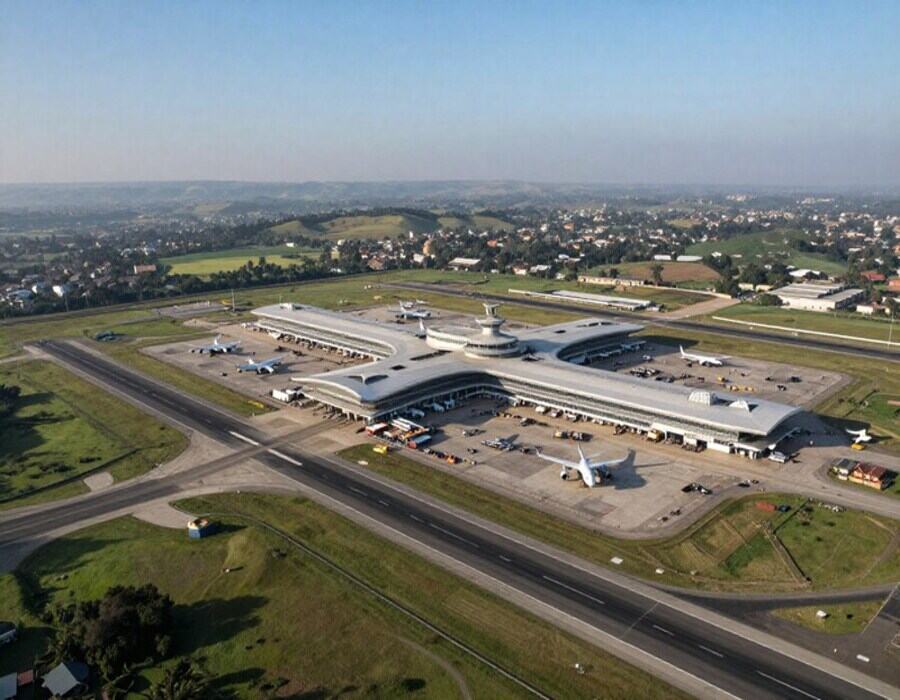
Home » AIRLINE NEWS » Ethiopian Airlines launches the construction of Bishoftu International, Africa’s biggest airport
Published on
January 16, 2026
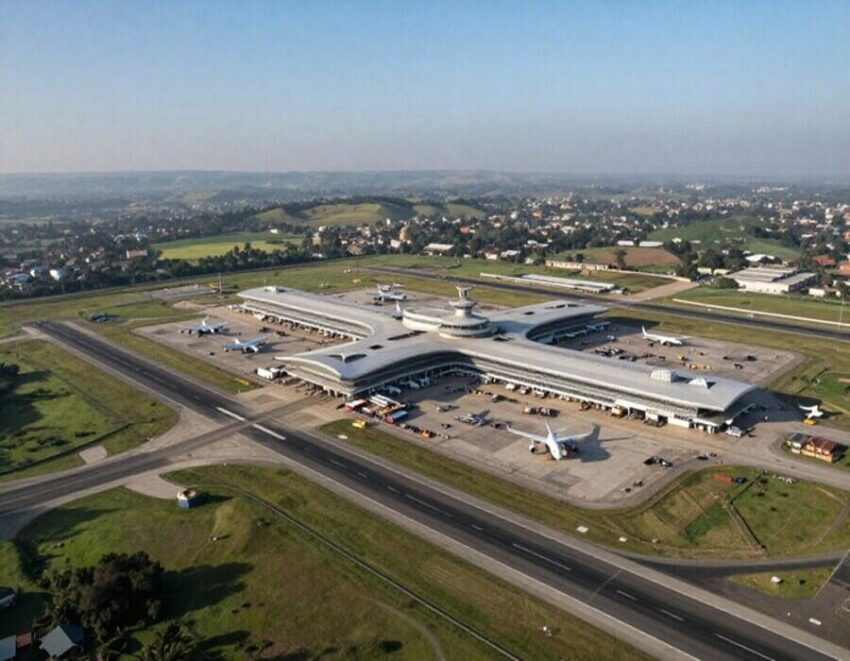
Ethiopia is charting a new aviation era because the rise of Bishoftu International Airport is designed to solve capacity limits, unlock long-haul performance, and turn the country into a powerful global transit crossroads for Africa. Built on a vast greenfield site near Addis Ababa, the mega airport is planned to handle more than one hundred million passengers a year, support multiple runways, and operate as a transfer-focused hub that connects Africa more efficiently with Europe, Asia, the Americas, and beyond. Its lower elevation, longer runways, passenger-centric design, and sustainability-driven infrastructure give airlines the ability to fly farther, carry more, and operate smarter, while travelers benefit from smoother connections and world-class facilities. Together, these advantages explain why Bishoftu is not just another airport project, but a strategic move that repositions Ethiopia and Africa at the heart of global air travel.
Ethiopia is moving with confidence toward a future where it plays a central role in global air travel, and the construction of Bishoftu International Airport stands as the clearest signal yet of that ambition. Designed to become the largest airport in Africa, the project reflects a long-term strategy to transform the country into a powerful aviation gateway linking Africa with the rest of the world.
Rising on a vast greenfield site about forty kilometers southeast of Addis Ababa, near the fast-growing city of Bishoftu, the new airport is meant to ease the growing strain on Bole International Airport. Bole has carried the weight of Ethiopia’s aviation growth for years, handling steadily increasing passenger numbers and cargo volumes. With traffic continuing to surge, the existing airport is expected to reach its practical limits within a short time, leaving expansion not just desirable but necessary.
Construction work began in early January 2026, marking the start of what is widely seen as one of Africa’s most ambitious transport infrastructure projects. Bishoftu International Airport is planned in phases, allowing capacity to grow alongside demand. In its first operational stage, the airport is expected to handle around sixty million passengers annually. Once fully built, capacity is projected to reach about one hundred ten million passengers a year, supported by four runways and parking space for roughly two hundred seventy aircraft.
The scale of the investment matches the scale of the vision. With an estimated cost of around twelve and a half billion US dollars, the project is built on forecasts that show strong and sustained growth in African aviation. East Africa, in particular, is expected to see passenger numbers multiply over the coming decade, driven by population growth, rising incomes, expanding trade links, and stronger connections with Asia, Europe, and the Americas. Ethiopia is positioning itself to capture a large share of that movement.
At the heart of the project is Ethiopian Airlines, which will make Bishoftu International Airport its future main hub. The airport is being designed around the airline’s transfer-focused operating model. Planners expect that a large majority of passengers using the airport will be in transit, connecting between long-haul and regional flights. This focus places Bishoftu firmly in the category of global hub airports rather than a traditional point-to-point gateway.
To support this role, the airport is planned as more than a place to catch flights. Passenger experience sits at the center of the design. Plans include a large airside hotel, extensive shopping and dining areas, entertainment spaces, and quiet zones where travelers can relax during long layovers. The idea is to turn transit time into something comfortable and even enjoyable, encouraging airlines and passengers alike to choose Bishoftu as a preferred connection point.
The terminal design itself is intended to tell a story about Ethiopia. Architects have drawn inspiration from the country’s diverse landscapes and cultural heritage, with different sections of the terminal reflecting various regions. Natural materials, warm colors, and textured finishes are meant to echo Ethiopia’s highlands, lowlands, and valleys. A central linear axis inspired by the nearby Great Rift Valley will guide passenger movement, helping travelers navigate the terminal efficiently without excessive walking.
Location plays a crucial technical role in the airport’s advantages. Bishoftu sits at a significantly lower elevation than Addis Ababa, nearly four hundred meters below the current airport. Combined with longer runways, this lower altitude allows aircraft to take off more efficiently, especially on long-haul routes. Planes can depart with heavier passenger and cargo loads while using less fuel, giving airlines greater flexibility and improving operational efficiency.
Sustainability has been built into the project from the beginning rather than added as an afterthought. Bishoftu International Airport is being designed to meet LEED Gold standards, with features aimed at reducing energy and water consumption. These include natural ventilation, solar shading, on-site renewable energy generation, and advanced water recycling systems. Over time, these measures are expected to lower operating costs and reduce the airport’s environmental footprint.
The project also looks beyond aviation to wider connectivity. Plans include a high-speed rail link connecting the new airport with central Addis Ababa and the existing airport, creating a seamless transport corridor. This rail connection is expected to support passenger movement, speed up cargo logistics, and encourage economic development around the airport zone, potentially giving rise to new business districts, logistics parks, and hospitality hubs.
The first phase of Bishoftu International Airport is targeted to open around 2030, with further expansion rolled out gradually as demand grows. Once completed, the airport will serve as a cornerstone of Ethiopia’s long-term aviation strategy and a key pillar of Ethiopian Airlines’ growth plans for the next decade and beyond.
Ethiopia is charting a new aviation era because the mega Bishoftu International Airport is built to overcome capacity limits, enable longer non-stop flights, and position the country as Africa’s leading global transit hub. With massive passenger capacity, advanced infrastructure, and a transfer-focused design, the project aims to place Africa firmly at the center of long-haul air connectivity.
More than just a construction project, Bishoftu International Airport represents a statement of intent. It signals Ethiopia’s determination to shape its own role in global aviation rather than simply react to it. If delivered as planned, the airport could redraw regional air travel patterns, attract new long-haul routes, and firmly establish Ethiopia as one of Africa’s most important aviation crossroads for generations to come.
