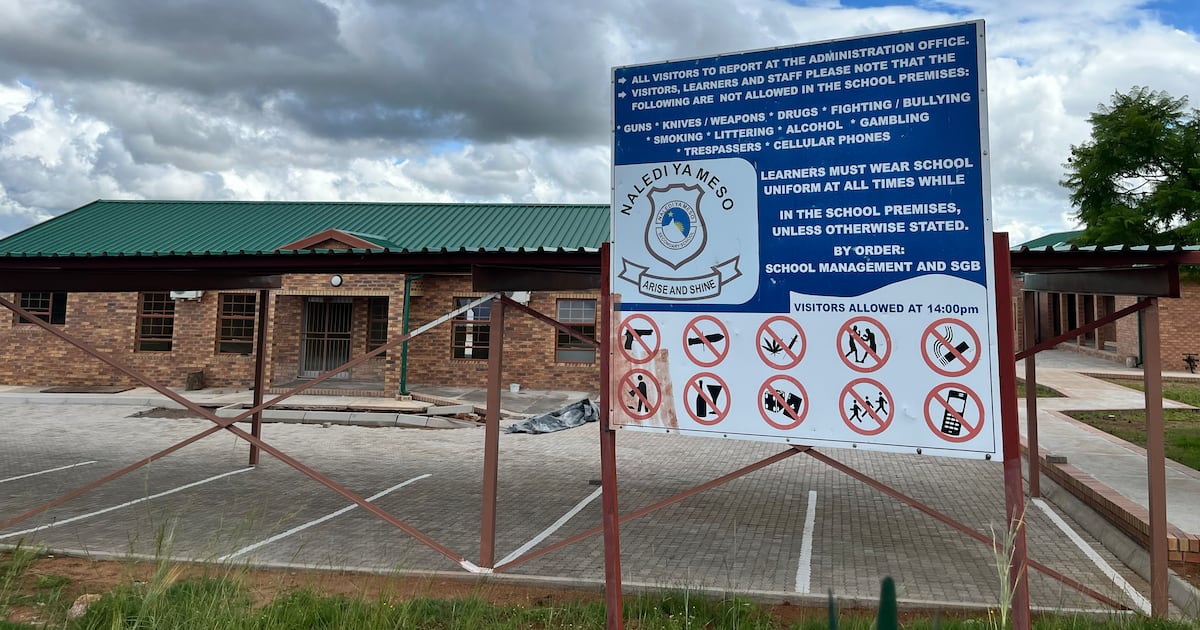
Matric pupils at Naledi Ya Meso Secondary School in Limpopo are keeping out of sight, not out of teenage shyness but from humiliation.
The matric class of 2025, with 15 pupils, recorded a 100% failure rate and now principal Matshipane Mohlala is on her way out.
Stakeholders say this is not only a result of years of institutional collapse, poor parent participation, ill-discipline, a change of academic streams, and an ill principal, but also the discouragement of excellence through the belief that if learners do well, they may be bewitched.
While the school’s infrastructure is adequately resourced because it is in the last stages of rebuilding, years of violence, poor management and little accountability have played a role in the dismal results.
Last year, the school system moved from offering commercial subjects and introduced maths and physical science for its matric pupils, with five teachers, including Mohlala.
Mapitsi Sebekwa*, a matriculant who failed, said the change, along with other factors, set her up for failure.
“The principal was not teaching us; we would spend the whole lesson doing nothing. Sometimes we would get high marks (level 6) when we didn’t understand anything in the physical sciences. We would be shocked, and when we asked about this she would not explain. The principal didn’t know how to manage the school and its problems.
“I don’t even know how I made it to matric, I was not performing well. Sometimes we would be dismissed around 11am as the principal had other things to do,” she said.
A parent of one of the pupils said her son stayed indoors because of the humiliation.
“We are saddened, we don’t enjoy this. We ask that the next class be better. Our hearts are broken, maybe if they go back to school things might change.
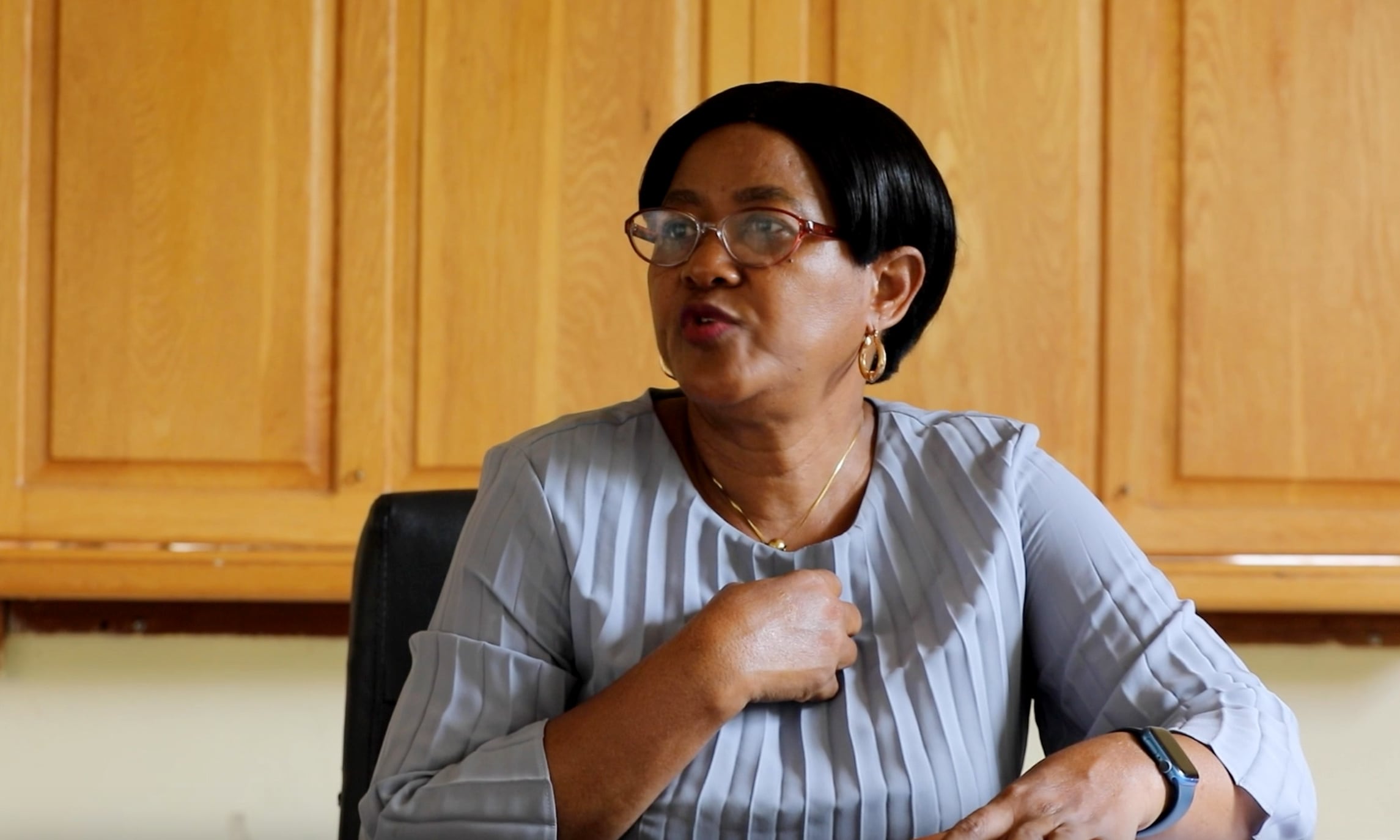 Circuit manager Marungwane Makhobotloane discusses why Naledi-Ya-Meso Secondary School in Limpopo had a 0% matric pass rate. Picture: Thabo Tshabalala
(Thabo Tshabalala)
“Since the results came out my son has been sleeping and ashamed, he never left the yard for days. He was saying that he can’t walk in the streets with pride as they are the laughing stock of the community.
“He is in pain – he said he wasn’t sure if he wants to go back to school,” said the mother.
Marungwane Makhobotloane, manager for Motetema circuit in the Limpopo department of education, said another contributory factor was the age of the learners.
“For some reason most of the learners are over age, even from grade 8. And [of the four matric teachers] two are old and two are young, in their late 20s.
“There is a lot of ill-discipline and disrespect. The parents, the school governing body and the principal can take responsibility. The teachers should maintain discipline but the problem is that the parents are not supportive. They don’t attend school meetings. I was told the governing body has withdrawn and only one member remains, but this was not reported to my office,” Makhobotloane said.
She added that there are regular disruptions and fights at the school.
“Pupils were fighting every day, fighting each other and the teachers.”
She said there were two serious criminal cases reported to police involving pupil-on- pupil violence.
“You can’t control them, the principal and teachers could not manage. The bottom line is that the pupils last year were very unruly,” she added.
She mentioned one incident where a pupil fought with a young teacher in class and during the disciplinary hearing, with parents and the SGB involved, the learner allegedly started a fight with the teacher.
Another pupil, Seipati Mokoena*, said while they were aware Mohlala had health challenges, she was not always able to teach, and sometimes didn’t come to class or even collapsed in the classroom.
“I told my mother before the results came out that I had failed, I knew it. We are shamed, we are sad. We can see it trending but we can’t do anything,” Mokoena said.
She said she hopes to become a teacher one day, “because I see how many learners struggle with no support. Naledi-Ya-Meso is a difficult environment,” she said.
Makhobotloane admitted that the introduction of maths and physical science could have been handled better.
“So the only mistake … could be that we could not get the full authority of the parents, because they didn’t attend meetings despite being invited several times by the SGB to discuss the curricula.
“Because the school was on the brink of closing, for us to save the school and for the community to have a school, we needed to act swiftly,” she said.
She said they were made aware from 2023 of Mohlala’s ill health.
She said that they were “trying to arrange” for a wellness intervention “through the district so we can take her out through incapacity on the grounds of ill health.
“This week I took her to the doctor. Sometimes she would collapse in front of pupils,” Makhobotloane said.
Mohlala said: “It’s true I have epilepsy, I used to fall in front of learners and wake up and find myself in the office after learners carried me there. I think the illness came in the way. Sometimes I would forget to do my duties from the circuit. I am hurt over the results.
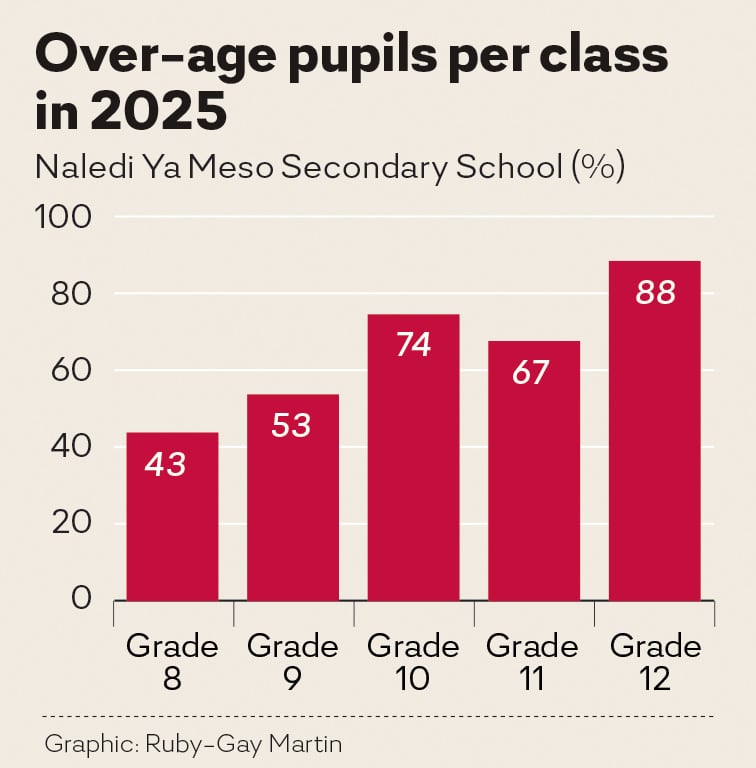 Over age pupils (Ruby-Gay )
Grade 8: 43%
Grade 9: 53%
Grade 10: 74%
Grade 11: 67%
Grade 12: 88%
“I think it’s better if I let someone else run the school.” Mohlala added that the pupils were not determined to pass.
“They didn’t care about school work, they wouldn’t come for extra lessons. Because I’m not well I would not put too much pressure.
“We are scared to speak on the witchcraft issue but it’s something on their mind. The truth is they are not committed to school. The teachers have tried their best. If the environment was different I would have succeeded,” added Mohlala.
The department is in the process of appointing an acting principal.
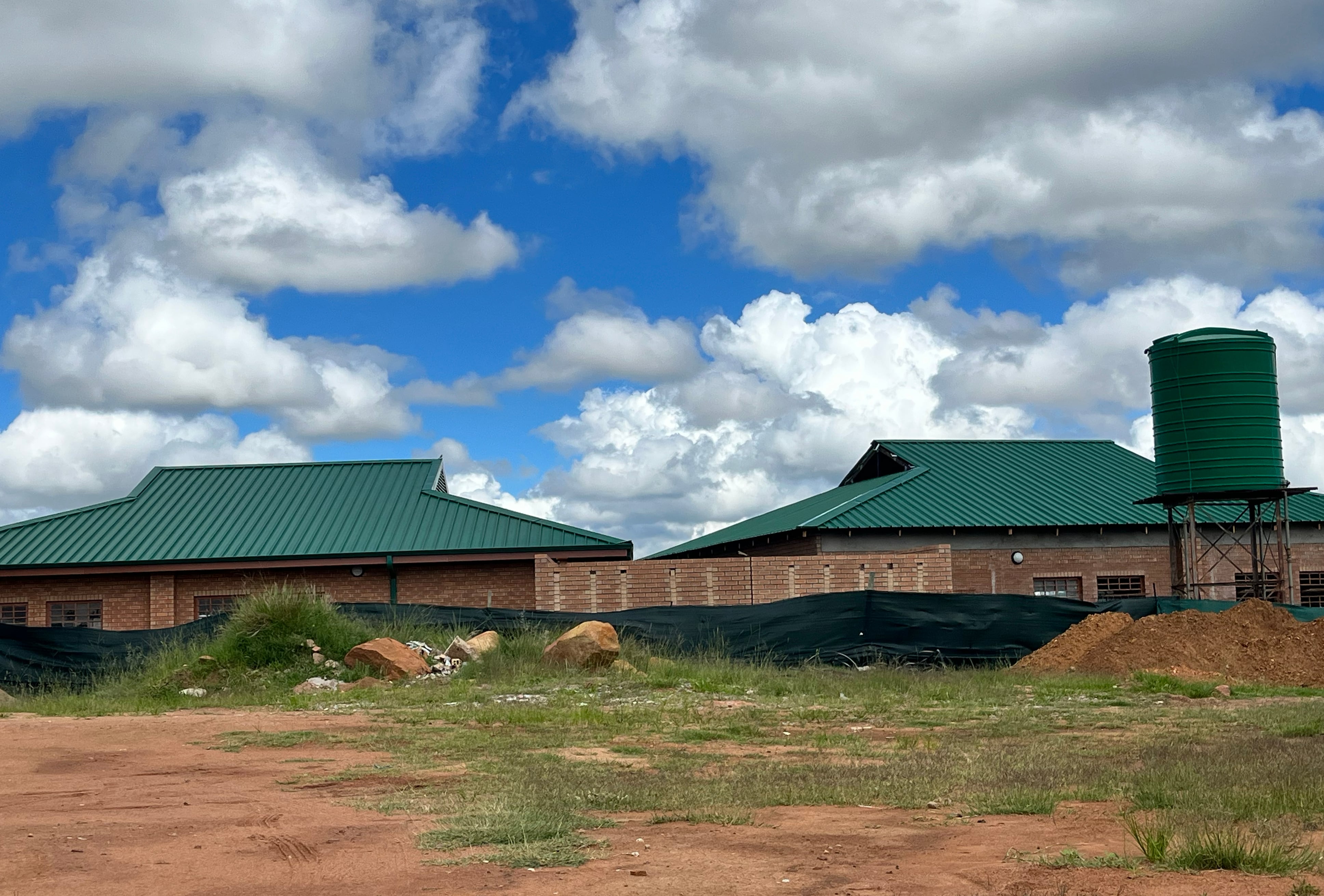 Naledi-Ya-Meso Secondary School in Limpopo.
Picture: Thabo Tshabalala (Thabo Tshabalala)
Makhobotloane said she was also seriously concerned about the general social psyche of the community.
“The bad part is that they still believe in witchcraft. They would say to me that if one shows that you are bright, you will be bewitched. They have fear, they don’t share study materials or anything. I tried to talk to them, to say that thing does not exist. There’s no such thing as witchcraft. If it was there, all the other communities and other schools would have seen it happening.
“Can you see the kind of community we’re dealing with here? I don’t know if it’s the attitude of the community, or whether it’s ignorance. If you look at the community itself, I’m not seeing many professionals,” Makhobotloane said.
SGB chairperson Molefe Ranala said she was distressed by the school’s results and that the principal did not consult parents or the community on the changes to the subject stream.
“When I asked, she just told me she was instructed to change things. I didn’t think it was right because it meant one teacher would lose their job. It was too late to change things – I told her they could have waited for the beginning of the next academic year.
“I asked her where the signed agreement was and she didn’t account for it. She was busy going to meetings at the circuit office and workshops,” said Ranala.
* Not their real names