Published on
January 21, 2026
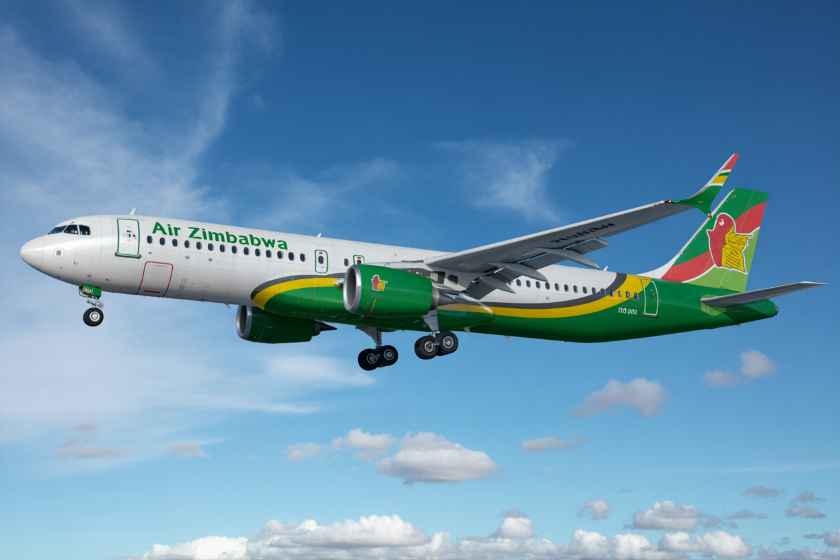
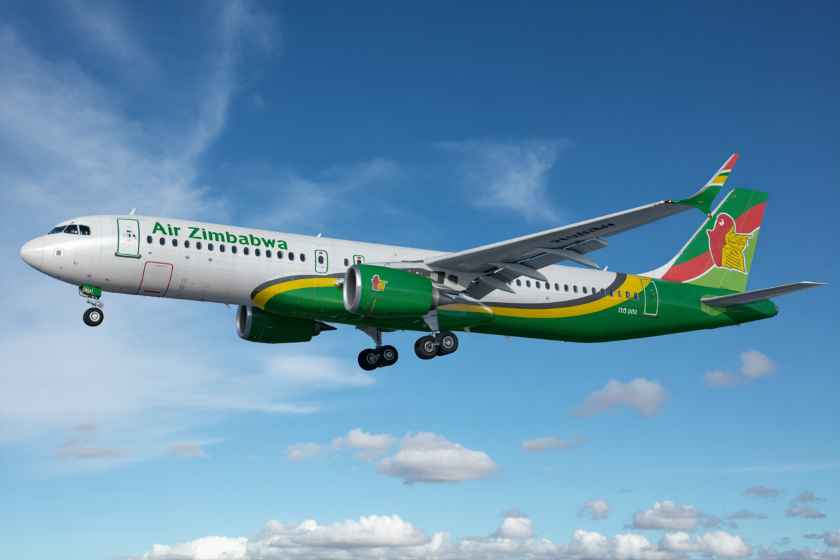
Air Zimbabwe, the country’s national carrier, has outlined an ambitious plan to modernize and expand its fleet, signaling a major shift in Zimbabwe’s aviation landscape. Under a newly unveiled five-year strategy developed with the Mutapa Investment Fund, Air Zimbabwe aims to invest US$775.5 million (approximately €666 million) to rejuvenate its operations and bring new opportunities to both the tourism and business sectors. This fleet overhaul is set to improve domestic, regional, and international connectivity, particularly with the introduction of long-haul flights.
The airline’s new strategy is a clear attempt to revitalize Zimbabwe’s aviation industry and strengthen its position as a regional and international hub. The plan involves acquiring six new aircraft, split across various operations. Two of these aircraft will be used to enhance domestic routes, making it easier for locals and tourists to travel within Zimbabwe. Two more will strengthen regional connections, enhancing ties with neighboring countries, while the final two wide-body jets will be dedicated to long-haul international routes. This long-haul component is particularly significant, as it aims to re-establish direct connections between Zimbabwe and major global hubs, which could have far-reaching effects on both tourism and business travel.
Boosting Zimbabwe’s Tourism and Business Connectivity
The introduction of long-haul flights is expected to be a game-changer for Zimbabwe’s tourism industry. In particular, it will help facilitate easier access for international tourists, who are often deterred by limited flight options and long travel times. Zimbabwe is home to some of Africa’s most iconic tourist attractions, including Victoria Falls, one of the Seven Natural Wonders of the World, as well as Hwange National Park, a major safari destination. With more direct international flights, tourists will have greater access to these world-renowned sites.
Victoria Falls: Known as “The Smoke That Thunders,” Victoria Falls is one of the most famous natural attractions in Africa. The new international flights could attract more visitors to this UNESCO World Heritage site, which offers breathtaking views, adventure activities, and a rich cultural experience.Hwange National Park: As Zimbabwe’s largest game reserve, Hwange is a must-see for safari enthusiasts. The new flights will make it easier for international visitors to explore its diverse wildlife and pristine landscapes, further bolstering the country’s status as a top safari destination.Great Zimbabwe Ruins: The ancient city of Great Zimbabwe, a UNESCO World Heritage site, is a historical marvel that attracts tourists interested in African heritage and archaeology. With improved flight access, the site is poised to see an increase in visitors eager to explore the country’s rich past.
In addition to supporting tourism, the expansion of Air Zimbabwe’s international network is expected to play a crucial role in facilitating business travel. By connecting Zimbabwe directly with major international hubs, the airline will help foster closer ties between Zimbabwean businesses and global markets. For entrepreneurs and professionals, easier access to and from Zimbabwe will encourage collaboration and investment in the country’s growing industries.
Advertisement
Advertisement
Strengthening Regional Ties with Neighboring Countries
The addition of aircraft dedicated to regional operations will also be pivotal for enhancing Zimbabwe’s connectivity within Southern Africa. As one of the most influential countries in the region, Zimbabwe’s expanded fleet will offer more convenient connections to its neighboring countries, including South Africa, Zambia, Mozambique, and Botswana.
South Africa: A key trading partner and major tourist destination, South Africa has long been a crucial link for Zimbabwean travelers. More frequent and accessible flights between the two nations will foster greater cooperation and ease travel for both business and leisure.Zambia: Neighboring Zambia offers its own unique attractions, including the Zambia side of Victoria Falls and several national parks. The new flights could help increase cross-border tourism between the two countries, particularly in the region’s eco-tourism and adventure travel markets.Mozambique and Botswana: With easy access to these neighboring countries, tourists can explore the diverse landscapes of Mozambique’s coastline or Botswana’s Okavango Delta, two of Southern Africa’s most sought-after destinations.Long-Haul Ambitions and Zimbabwe’s Global Profile
Air Zimbabwe’s ambitions for long-haul flights align with a broader trend across Africa, where national carriers are being revitalized to meet the growing demand for both tourism and business travel. The airline’s decision to invest in long-haul aircraft is a clear signal that Zimbabwe is aiming to integrate itself more fully into the global tourism and trade networks.
While the exact models of the new aircraft and the timeline for their delivery are not yet disclosed, the plan to reintroduce direct long-haul services is a strategic move for the airline. This could significantly enhance Zimbabwe’s profile on the global stage, making it an even more attractive destination for international tourists. Countries across Africa, including Kenya, Ethiopia, and South Africa, have seen similar transformations in their aviation sectors, and Air Zimbabwe is positioning itself to follow suit with its bold strategy.
Infrastructure, Training, and Service Innovation
As Air Zimbabwe embarks on this new chapter, it will also need to invest in supporting infrastructure and services. This includes upgrading ground facilities, training staff, and adapting to passenger expectations for modern and comfortable air travel. As the airline looks to expand its long-haul routes, providing top-notch service will be critical in attracting international travelers and building a loyal customer base.
Ground Infrastructure: To support the influx of international passengers, Zimbabwe’s airports will likely need enhancements, including improved baggage handling, check-in systems, and expanded terminal space.Staff Training and Service: The airline will need to ensure that its staff is well-trained to meet the diverse needs of international travelers, including offering premium service on long-haul flights.Looking Ahead: A New Era for Zimbabwe’s Aviation and Tourism Industries
Air Zimbabwe’s plans for fleet expansion, particularly its long-haul ambitions, signal an exciting future for both the country’s aviation industry and its tourism sector. With new international routes, easier access to iconic attractions like Victoria Falls, and enhanced regional connectivity, the country is well-positioned to boost its profile as a key player in Southern Africa’s tourism and business landscape. The investment in Air Zimbabwe’s fleet expansion represents a broader commitment to modernizing the country’s infrastructure and capitalizing on the growing demand for travel across the continent and beyond.
