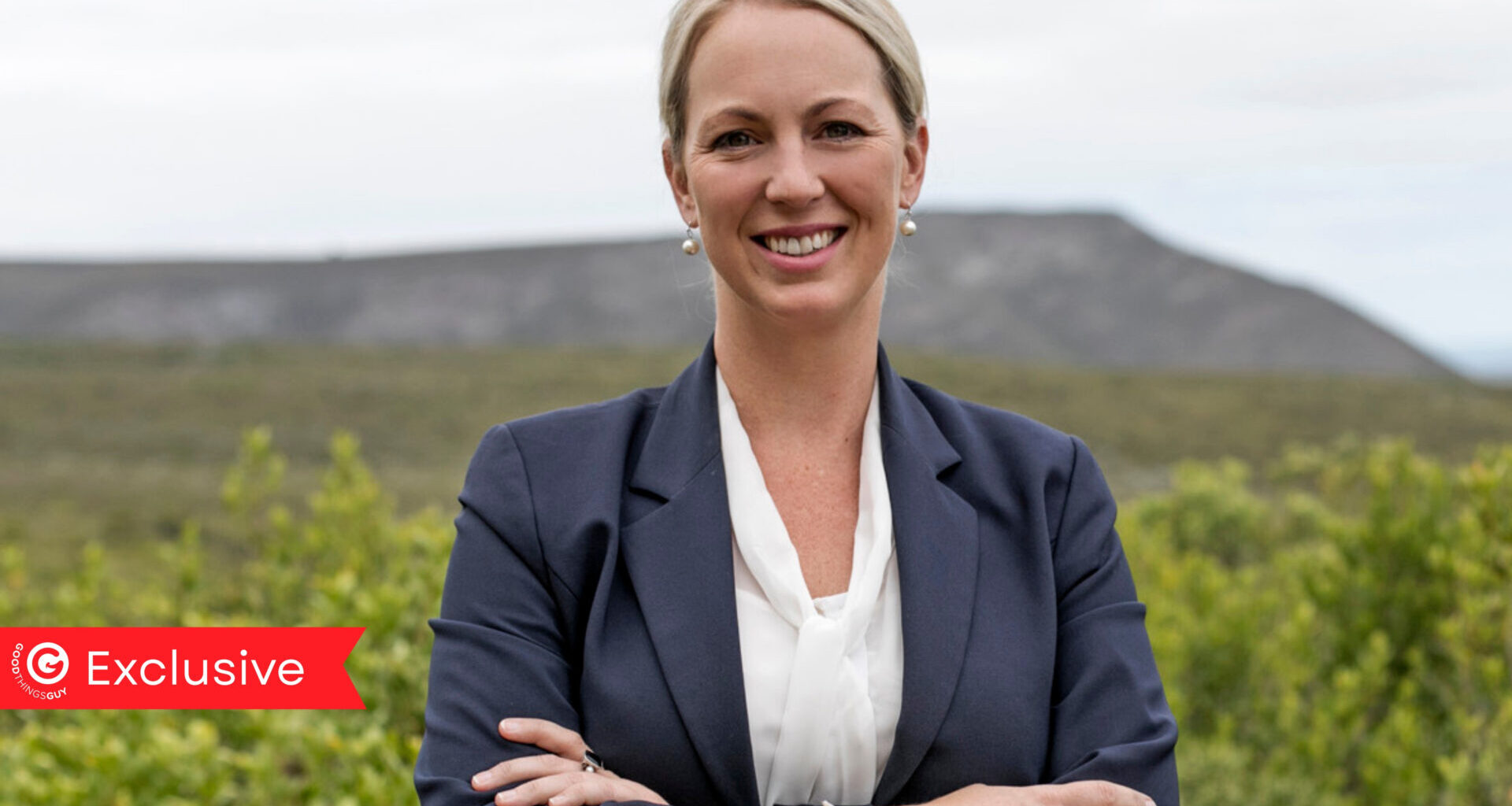
Travel is meant to open our minds but it can also change destinations forever… for better or worse. In an exclusive conversation with Good Things Guy, Julie Cheetham from Travalyst explains why the future of tourism depends on collaboration, community and smarter choices.
Johannesburg, South Africa (22 January 2026) – South Africa has a way of changing you. It doesn’t matter if you grew up here or arrived with a suitcase and a bucket list… this place gets into your bones. The landscapes make you fall in love but the reality keeps you grounded. Beauty and complexity live side by side, and that tension teaches you something important: if we want to protect the places we love, we have to make sure people can thrive in them too.
That’s exactly why this conversation matters.
We sat down with Julie Cheetham, a South African sustainability consultant and COO of Travalyst, to talk about the future of travel… and the role South Africans can play in shaping it. Travalyst is a global coalition founded in 2019 by Prince Harry, The Duke of Sussex, with his continued pro-bono support. It brings together some of the biggest travel and technology companies in the world with one shared goal: to help the industry become more sustainable, using trusted information and tools that empower better choices for travellers, businesses, and policymakers.
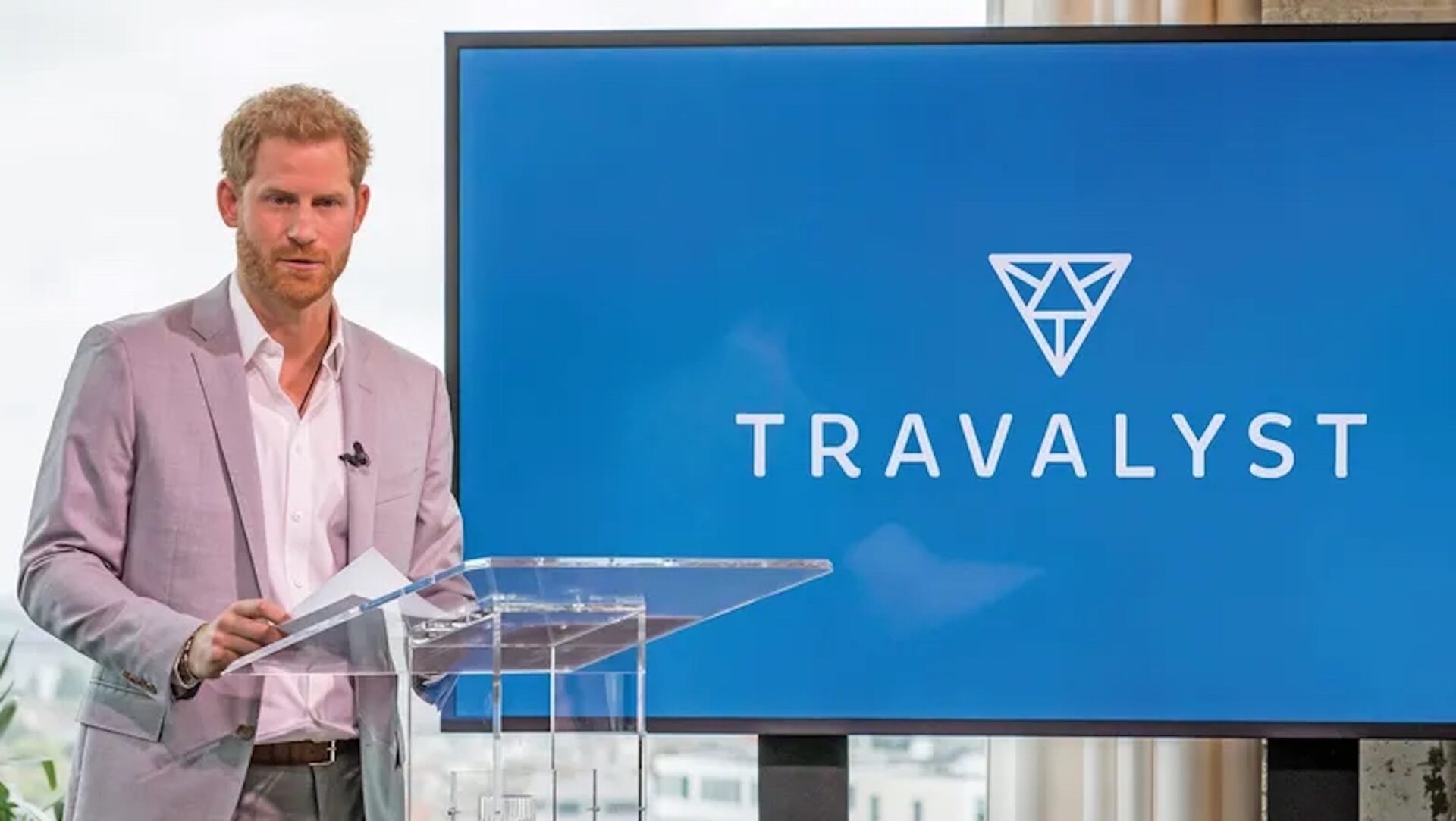 Photo Credit: Travalyst/Floris Heuer
Julie’s work sits at the intersection of planet, people and progress, and our conversation quickly turned into something bigger than tourism. It became a discussion about conservation, livelihoods, community and how “doing the right thing” only counts if it’s actually workable.
A South African lens on a global mission
Julie is based in South Africa, and when we asked how living here has influenced the way she thinks about protecting places while still creating opportunity for the people who depend on tourism, her answer felt deeply familiar. Because this country doesn’t allow you to separate nature from people.
“Living in South Africa, I can’t help but feel inspired by nature. It’s crucial that we protect habitats and nature. As tourism grows, it must do so in ways that benefit local communities and the environment. Sustainable tourism models that do just this form the backbone of a better future for the industry and our planet.”
She shared an example that shows what sustainable tourism looks like when it’s done with integrity — where the impact is real and local.
“One great example is Wolwedans. Based in Namibia and recognised by The Long Run as a global ecosphere retreat, Wolwedans promotes an inclusive conservation model that enhances livelihoods and fosters intercultural dialogue. Every stay contributes to the conservation of the NamibRand Nature Reserve, and the AridEden Project, a practical framework for building more sustainable, resilient, and inclusive tourism conservation economies.”
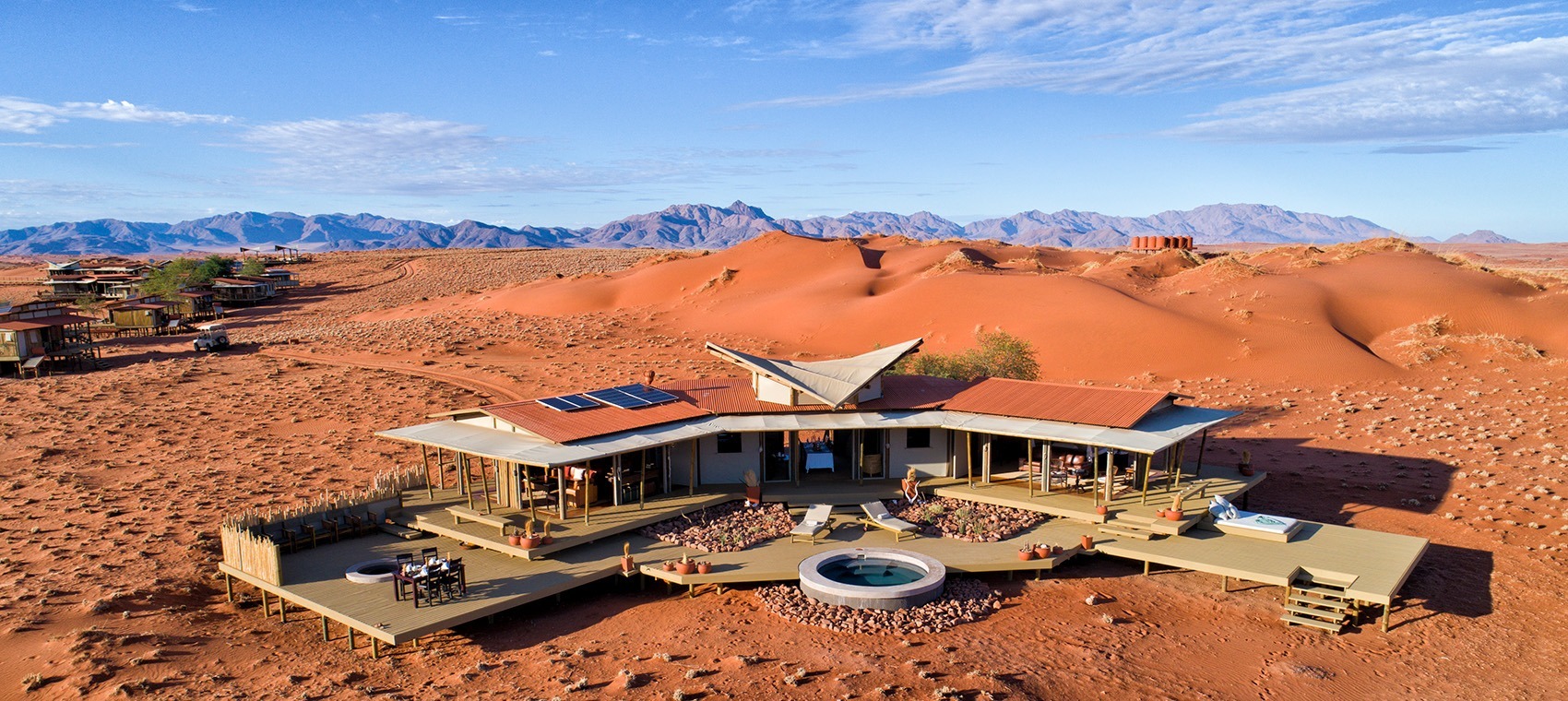 Photo Credit: Wolwedans | Supplied
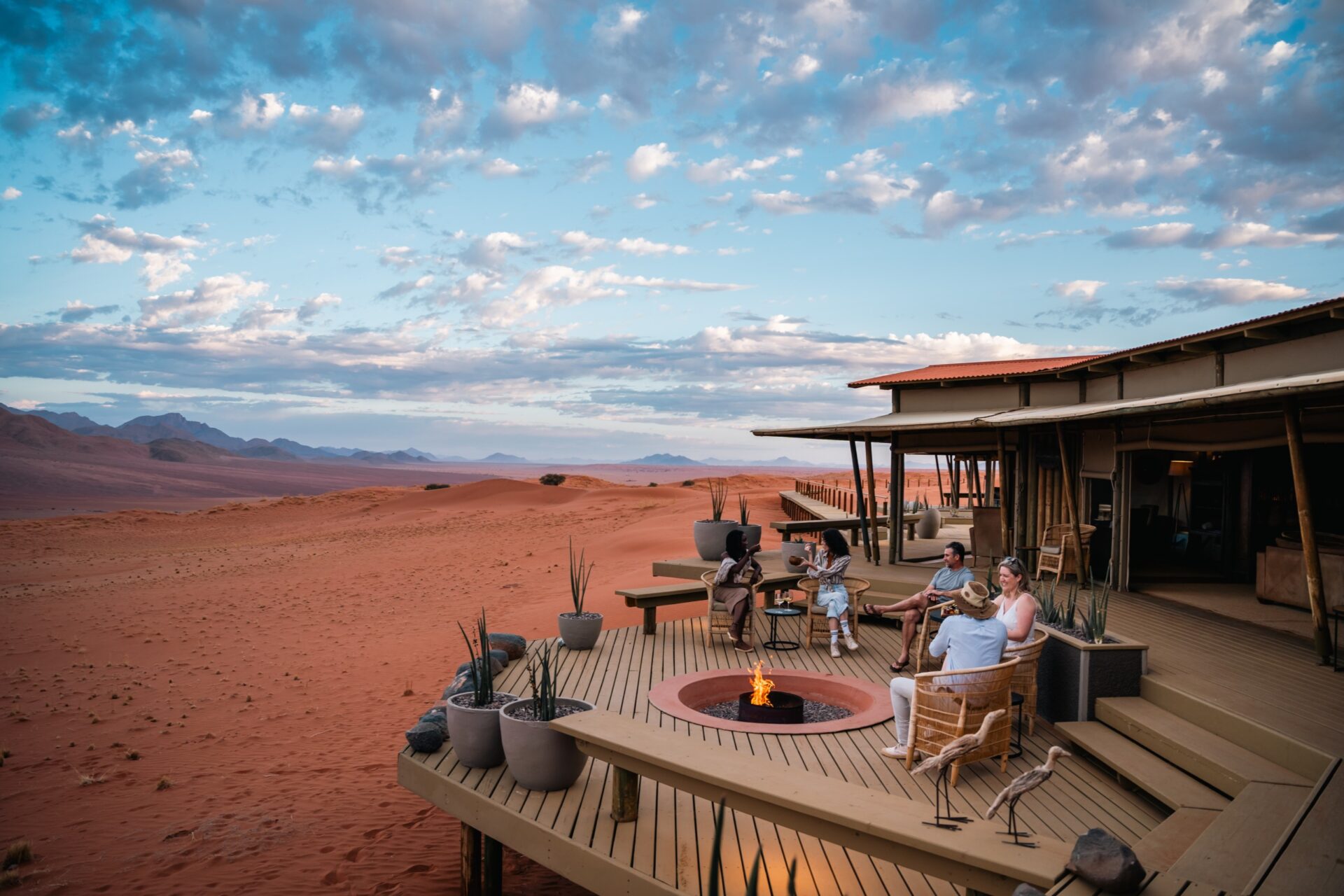 Photo Credit: Wolwedans | Supplied
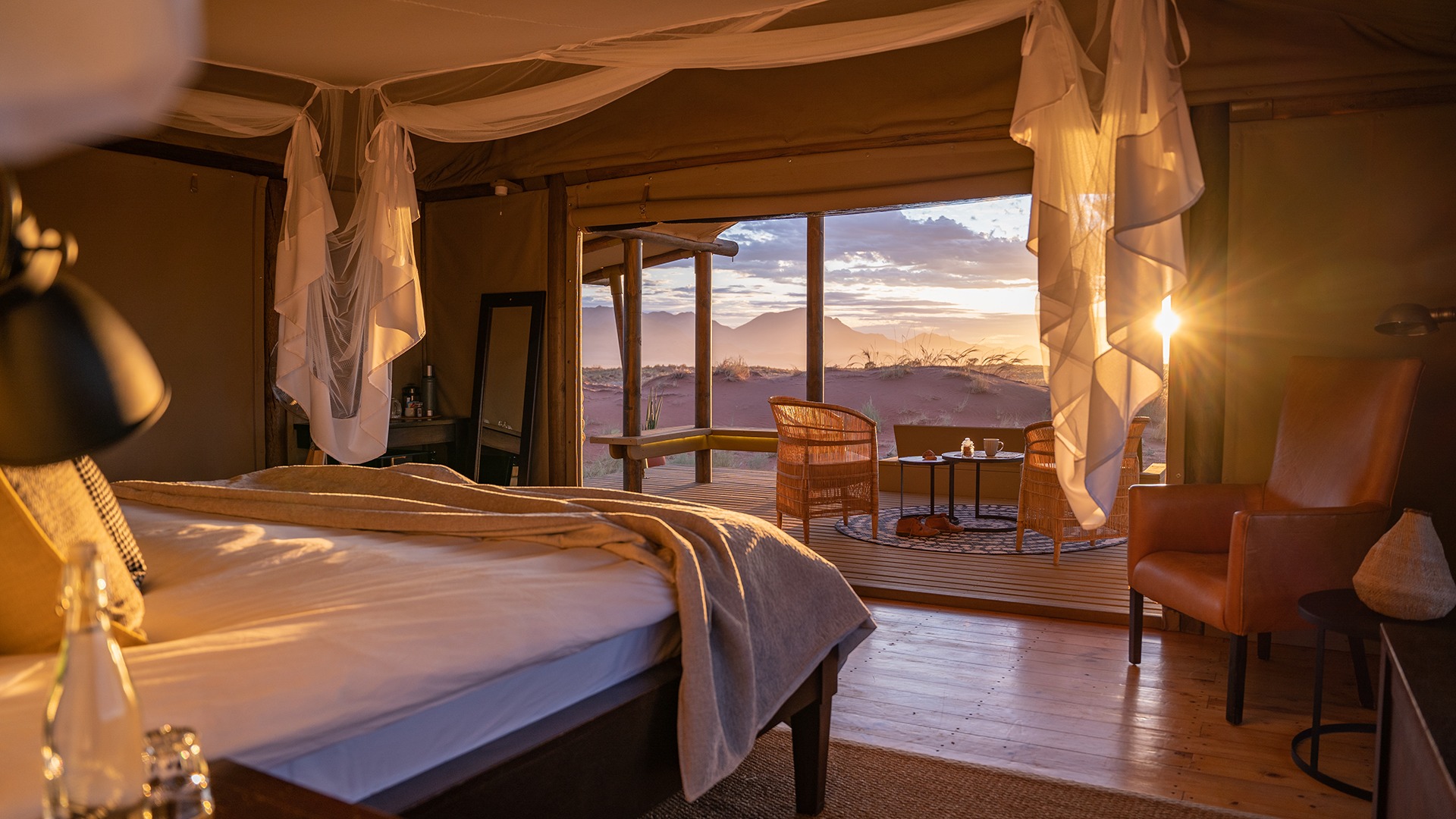 Photo Credit: Wolwedans | Supplied
For Julie, what makes models like this so powerful is that they can be replicated… but only if the industry has the right tools to understand and compare impact properly.
“Credible, consistent and compliant data is key to enabling these already successful models to scale and multiply. That’s why we launched the Data Hub last year… an open-access, interoperable system that collects, compares and distributes sustainability data for the travel and tourism industry at scale. The aim of the Data Hub is to unlock this potential and act as a catalyst for positive change within travel and tourism.”
The balance South Africans live with daily
South Africans know the tension between survival and sustainability. We know what it’s like to want to protect wild places while also needing jobs, opportunity and economic growth. So we asked Julie the honest question: how can travel balance economic need with long-term care for communities and the environment?
Julie didn’t gloss over the pressure travel brings.
“The travel and tourism industry is growing at a pace and isn’t slowing down. In fact, travel and tourism are expected to contribute an all-time high to the global economy, reaching 10.3% of global GDP in 2025.”
And then she highlighted a reality that too many people ignore when they talk about tourism success: often, the money doesn’t stay where the travel happens.
“The harsh reality is that the system as it stands is unsustainable, and economic leakage is a real issue. In some cases, up to 95% of the money from tourism spending doesn’t stay in the country or community – it goes back to foreign companies or investors (this is especially prevalent in the least developed countries (LDCs)).”
But what’s encouraging is that Julie sees real momentum building, and it’s being driven by the traveller too. People are asking harder questions about impact, about fairness, and about whether tourism is leaving destinations better or worse.
“But there is growing awareness of these issues, and crucially, a desire for change. Travellers are increasingly committed to supporting the economies of the destinations they visit, with over 70% wanting the money they spend to go back to the local community, and two-thirds wanting to leave places better than when they arrived.”
For Julie, the path forward begins with a simple but essential shift: communities need to be in the centre of decisions, not on the sidelines.
“Ultimately, communities need to be at the heart of decision-making if we are to successfully build a more sustainable, resilient future for travel. We need to listen to communities’ needs and better understand how travel and tourism can support them. Underpinning all of this is data. It can unlock real progress at scale but we need to work together as an industry to make it a reality.”
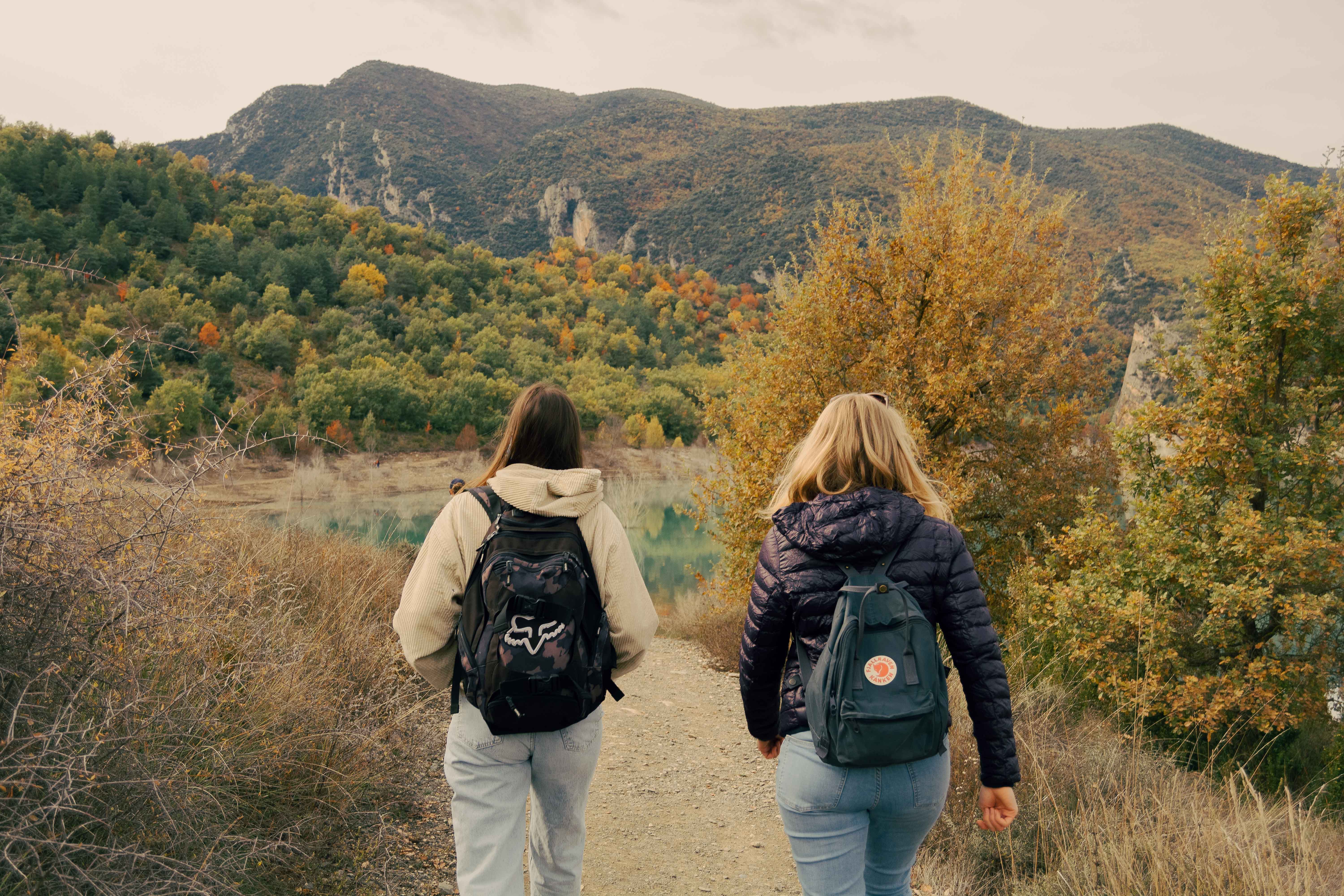 Photo Credit: Pexels
Sustainability data should support local operators, not overwhelm them
South Africa’s tourism world is built by people who show up daily… small guesthouses, family-run lodges, tour operators, guides, restaurateurs and experience creators. Many of them don’t have teams or big budgets and the last thing they need is extra admin that doesn’t actually help them.
So we asked Julie how better sustainability data can support local operators in a meaningful way, without burying them under complexity.
She answered with pride, but also with practicality.
“As a South African myself, I’m proud and inspired by the world-class tourism we have in this country, and it’s crucial that we support local operators in an increasingly unpredictable economic landscape.”
Julie believes the solution isn’t “collect more data”. It’s collect the right data, the kind that’s useful, manageable, and designed around what local operators genuinely need.
“To do this, we need to listen to local operators and understand what is most important and useful to them, in terms of impact monitoring. From this, we should be selective and identify the data points that are easy to collect, will have the most impact, and regularly re-evaluate this to ensure optimum efficiency.”
When it’s done properly, Julie believes this kind of data can become a form of support, helping operators navigate risks, plan ahead, and reduce costs over time.
“When done right, targeted, relevant, trustworthy data can have huge benefits to local operators and to destination decision-makers, helping to manage climate risks, and manage climate mitigation costs, planning and implementation.”
Turning “doing the right thing” into something that actually works
Julie’s career has been less about talk and more about building systems. So we asked what she’s learned about turning good intentions into real-world, workable change.
Her answer was instant… and it was honest.
“That it takes guts! I try to be courageous, to be bold and really listen to understand industry needs in the context of planet and people.”
Before joining Travalyst, Julie was part of the founding team and later became CEO of Weeva, a sustainability management platform designed to make tools and data accessible to accommodation providers, not just the big players but the smaller operators too.
“Before joining Travalyst, I was part of the founding team and later became CEO of Weeva, the sustainability-management platform created to democratise access to tools and data for accommodation providers. We scaled the platform into a multi-award-winning solution used across 86 countries, which was brilliant.”
But along the way, Julie saw something bigger: the industry needed a way to collaborate at scale. That led to a major shift in 2024.
“But there was a system-changing opportunity here that required deeper collaboration across the industry. Through Travalyst’s acquisition of Weeva’s technology in 2024, we’ve developed the Data Hub – an open access, interoperable system that collects, compares and distributes sustainability data for the global travel and tourism industry at scale.”
For Julie, real progress has to be collective, and it has to be brave enough to put long-term outcomes ahead of short-term competition.
“It takes the whole industry to drive real systemic change. Collaboration is key if we are to truly shift the dial and build a more sustainable, resilient future for travel and tourism.”
And there’s already proof that collaboration is producing tangible results.
“We’ve made real progress already as an industry. At Travalyst, as a coalition, most notably through the Travel Impact Model for aviation, and the Data Hub. I’m optimistic for the future and the transformative potential of travel and tourism in building a more resilient and sustainable future for all.”
The hope Julie sees for travel’s future
We ended our conversation with a question that hits close to home for so many South Africans: If we want future generations to experience our wild places, cultures and communities, what gives her hope about the direction global travel is heading? Julie’s answer reminded us that Southern Africa isn’t waiting to be shown the way. In many ways, it’s already leading.
“I recently attended a brilliant awards ceremony by ICRT Global – the organisation championing grassroots and local tourism initiatives. You would not believe how many were in South Africa and our neighbouring countries. We have the people, the communities, and more that are leading the way. It’s really rather exceptional what collective knowledge these custodians of the land, these stewards of great landscapes, are doing – all while providing jobs and opportunities.”
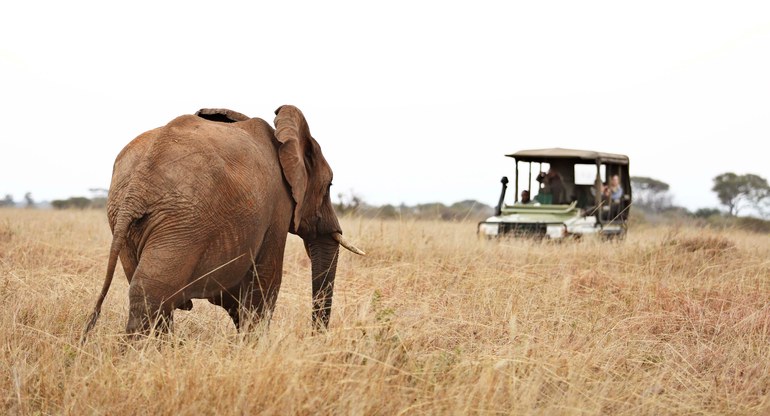 Photo Creit: Oliver’s Camp
And then she brought it back to what makes Travalyst unique: scale and influence, used collaboratively to prioritise impact.
“Travalyst is a coalition of some of the leading names in travel and tech, representing a combined market value of over $3 trillion. By working together in a non-competitive way on important sustainability initiatives, we’re uniquely positioned to drive real change and steer the course towards a resilient, sustainable future that benefits local communities, travellers, businesses and of course, nature and the environment.”
Julie believes the building blocks are already there… local models that work, global partnerships with power and the tools to connect it all. Now it’s about scaling the good.
“Coupled with the incredible examples of sustainable tourism models on a local level, the ingredients of a world where travel is a force for good are there. The next step is to scale this potential. We have the key – through data and getting the right information to the right decision makers – but we must work together as an industry, with local communities and with our environment.”
And that’s the real takeaway from this conversation: travel doesn’t have to be extractive to be meaningful. It can protect the places we love. It can strengthen the communities who live there. It can create opportunities without costing the earth.
If travel is going to shape the future, then let it be the kind of future where people and planet both win… and where Southern Africa continues to show the world what’s possible when conservation and community are treated as one story.
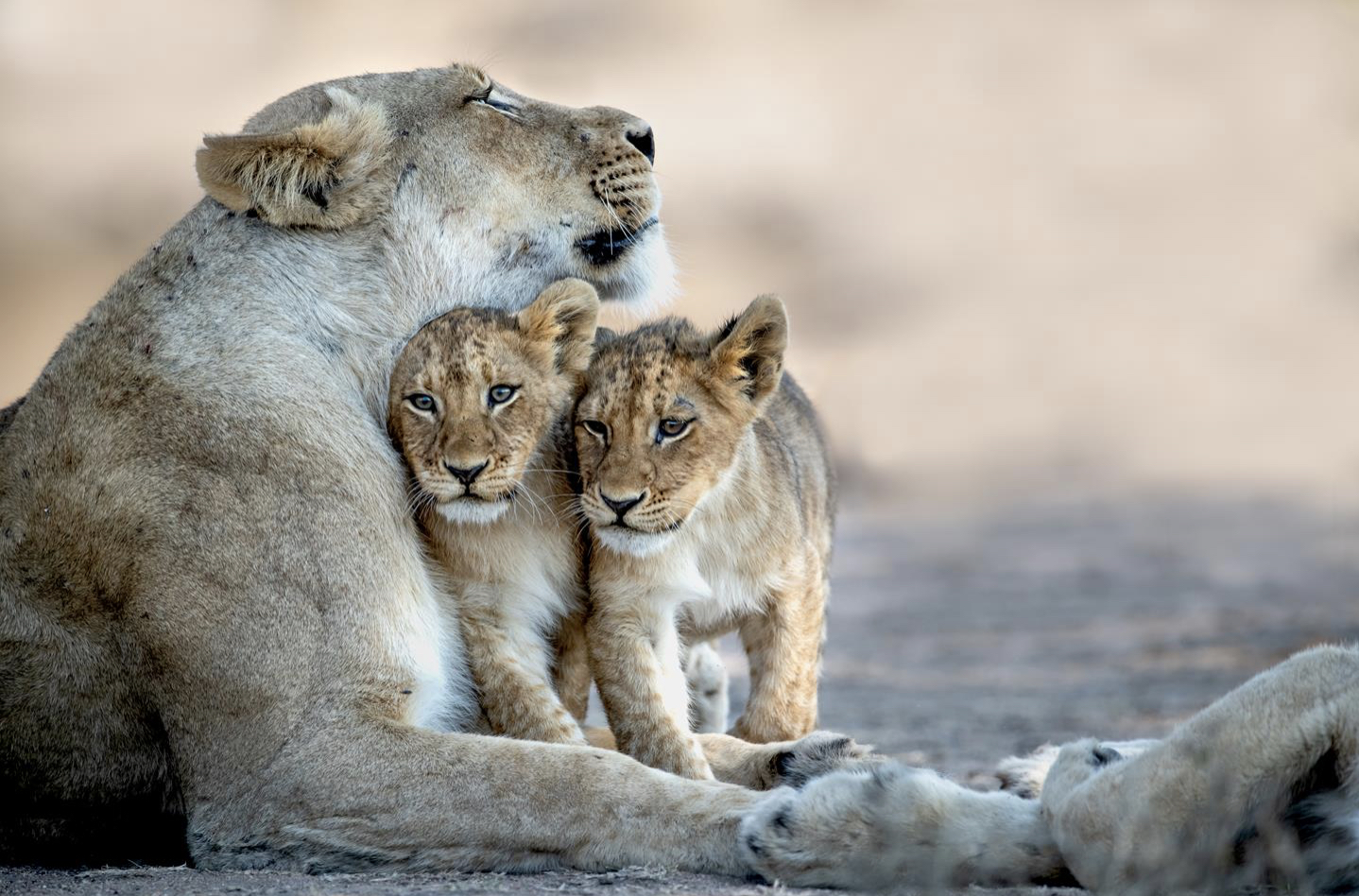 Photo Credit: On File / Lionscape
Sources: Interview with Julie Cheetham
Don’t ever miss the Good Things. Download the Good Things Guy App now on Apple or Google.
Do you have something to add to this story? Please share it in the comments or follow GoodThingsGuy on Facebook and Twitter to keep up to date with good news as it happens, or share your good news with us by clicking here or click the link below to listen to the Good Things Guy Podcast with Brent Lindeque – South Africa’s very own Good Things Guy. He’s on a mission to change what the world pays attention to, and he truly believes there’s good news around us. In the Good Things Guy podcast, you’ll meet these everyday heroes and hear their incredible stories:
Or catch an episode of Good Things with Brent Lindeque or our Weekly Top 5 below. The videos here are always changing, updated with the latest episodes from these two shows. Both are part of Good Things TV, created to bring South Africans balance at a time when the news can feel overwhelmingly negative. Our goal is simple: to remind you that there are still so many good things happening in our country – and to leave you feeling a little more proudly South African.