Last Updated:January 23, 2026, 08:30 IST
Pakistan Under-19 SLOWED their chase against Zimbabwe at the 2026 World Cup in Harare, helping their opponents and snubbing Scotland’s Super Six chances. Here’s why they did it.



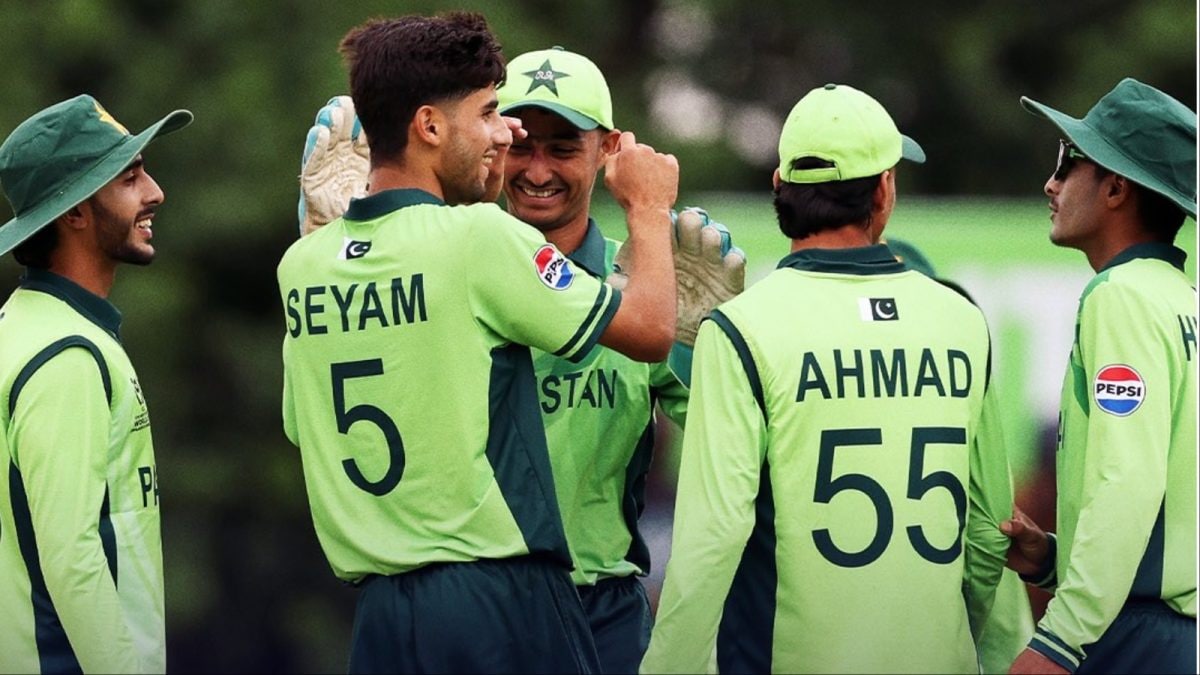
Pakistan beat Zimbabwe by 8 wickets in U19 World Cup 2026 match. (Picture Credit: X/@cricketworldcup)
The Pakistan Under-19 team puzzled many with their slow chase against Zimbabwe at the 2026 Under-19 World Cup in Harare. However, as it turns out, it was a calculated move rooted in tournament mathematics, and one that secured the Boys in Green the best possible advantage for the Super Six stage.
Chasing a modest 129, Pakistan raced to 84 in just 14 overs, putting the game well within control. At that point, they needed fewer than four runs an over.
Then, the tempo dramatically shifted. Over the next 12 overs, batters Sameer Minhas and Ahmed Hussain scored at barely three runs an over, with an extraordinary 89-ball stretch yielding no boundaries. Pakistan eventually crossed the line in 26.2 overs, winning by eight wickets.

The timing of that finish was crucial. Had Pakistan reached the target before 25.2 overs, Scotland, and not Zimbabwe, would have qualified for the Super Six alongside them. By slowing the chase just enough, Pakistan ensured Zimbabwe advanced on net run rate, knocking Scotland out of the tournament.
Why did Pakistan want Zimbabwe to qualify?
The Under-19 World Cup follows a carry-forward system into the Super Sixes. Teams take their points and net run rate (NRR) only from matches played against fellow qualifiers and results against eliminated teams are discarded.
For reference, if England beat Sri Lanka and Bangladesh and lose to India in a hypothetical group, their Super Six stage will reflect only the points and NRR gained against Sri Lanka and Bangladesh.
Pakistan had beaten Zimbabwe by a larger margin than they had beaten Scotland. Therefore, having Zimbabwe qualify instead of Scotland meant Pakistan carried a stronger net run rate into the next stage.
There was another knock-on effect. England, who topped Group C, had thumped Scotland by 252 runs. Scotland’s elimination meant England lost the benefit of that massive net run rate boost in the Super Six calculations.
Former Zimbabwe captain Andy Flower defended Pakistan’s approach, calling it a ‘cunning’ but justifiable tactic in an interview with ESPNcricinfo. He argued that once Pakistan ensured they would not lose the game, it made competitive sense to pace the chase in a way that maximised their future advantage.
“I think it was a fair tactic and didn’t bring the game into disrepute,” he said.
While intentionally manipulating match tempo can fall foul of ICC’s Code of Conduct if proven deliberate, establishing intent is notoriously difficult. Similar strategies have surfaced before, most notably during Australia’s chase against the West Indies at the 1999 ODI World Cup under Steve Waugh.
In the end, Pakistan’s strategy worked to perfection. Once Zimbabwe’s qualification was sealed, the urgency returned, with Minhas smashing two sixes to finish the chase.
First Published:
January 23, 2026, 08:30 IST
News cricket Pakistan’s ‘Cunning’ U19 WC Tactics Explained: How They Ensured Zimbabwe’s Qualification, And WhyDisclaimer: Comments reflect users’ views, not News18’s. Please keep discussions respectful and constructive. Abusive, defamatory, or illegal comments will be removed. News18 may disable any comment at its discretion. By posting, you agree to our Terms of Use and Privacy Policy.
Read More