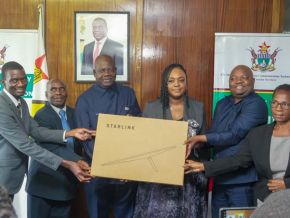
Zimbabwe to deploy 8,000 Starlink kits to schools nationwide
Program targets remote areas, aiming to narrow digital education gap
Rollout complements Project Giga school connectivity efforts
The Zimbabwean government has decided to equip the country’s primary and secondary schools with 8,000 Starlink internet kits, in a bid to expand connectivity for schools nationwide, especially in remote areas.
The Ministry of ICT formally transferred the equipment to the Ministry of Primary and Secondary Education on Wednesday, Jan. 21. ICT Minister Tatenda Mavetera said the program is intended to narrow the digital gap and give students across Zimbabwe access to affordable, reliable internet.
In a post on X, the ICT ministry said the rollout should strengthen digital learning, improve access to global educational resources, and help prepare students to compete in the digital economy. It added that the initiative forms part of broader efforts to modernize the education sector and widen access to digital tools.
The Minister of ICT, Postal and Courier Services, Hon. Tatenda Mavetera, today donated 8,000 Starlink internet kits to the Ministry of Primary and Secondary Education under the Presidential Internet Scheme.
The consignment was officially received by the Minister of Primary and… pic.twitter.com/GK3CGoJoek
— Ministry of ICT, Postal & Courier Services – Zim (@MICTPCS_ZW) January 21, 2026
Zimbabwe is already part of Project Giga, a joint initiative of the International Telecommunication Union (ITU) and UNICEF aimed at connecting every school in the world to the internet. Government figures published by Giga in March 2025 showed that 3,500 of Zimbabwe’s 7,000 schools were already connected. The ITU has pledged to work with national authorities to identify the most efficient and cost-effective solutions for the remaining schools.
While digital connectivity can support learning outcomes, the use of Starlink’s satellite internet, known for broad coverage and relatively high speeds, also raises questions about whether schools have enough devices, whether teachers have the necessary digital skills, access to electricity, the quality of online learning materials, and the long-term affordability of the model, given Starlink’s monthly subscription fees.
Isaac K. Kassouwi