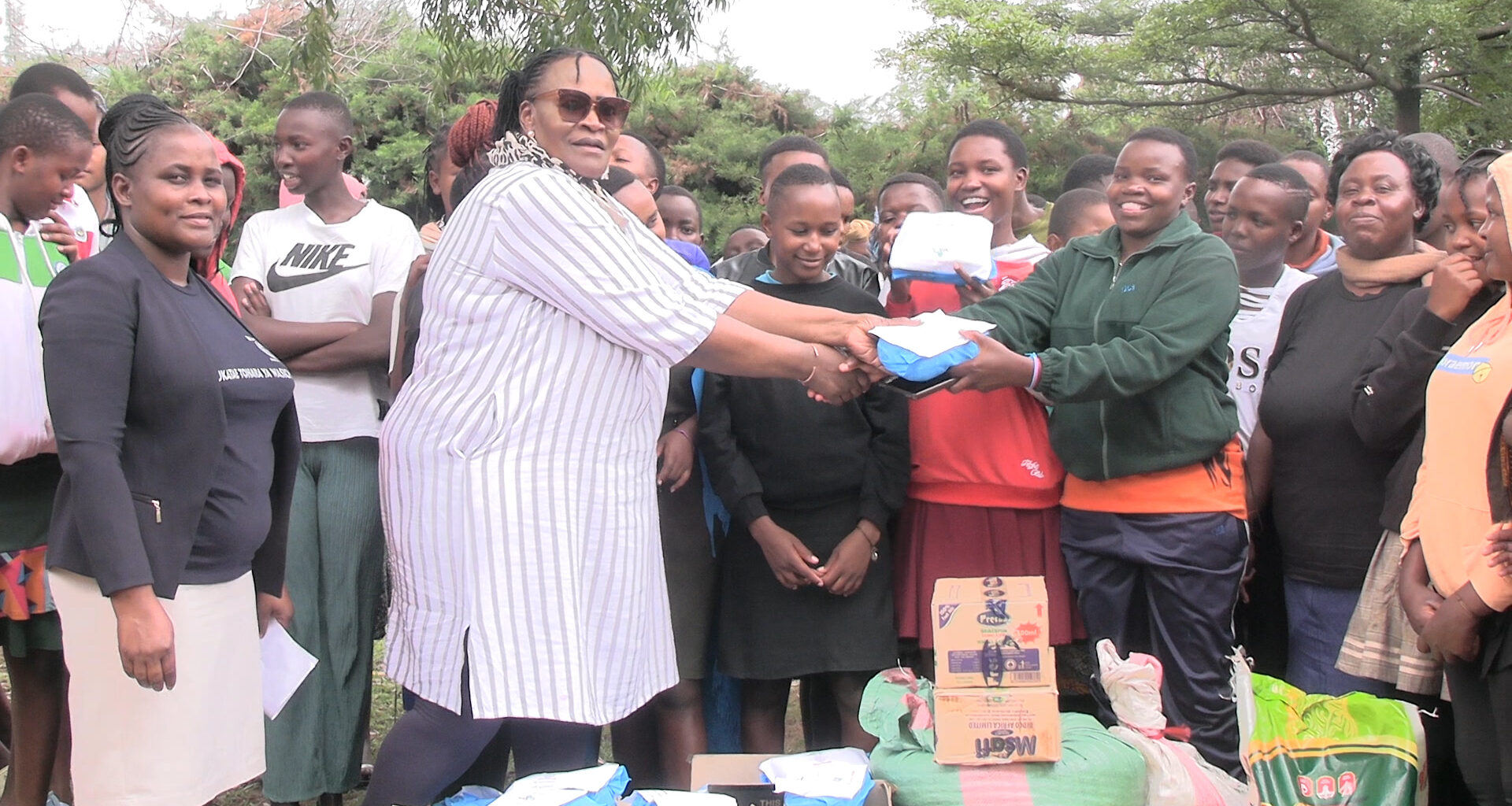
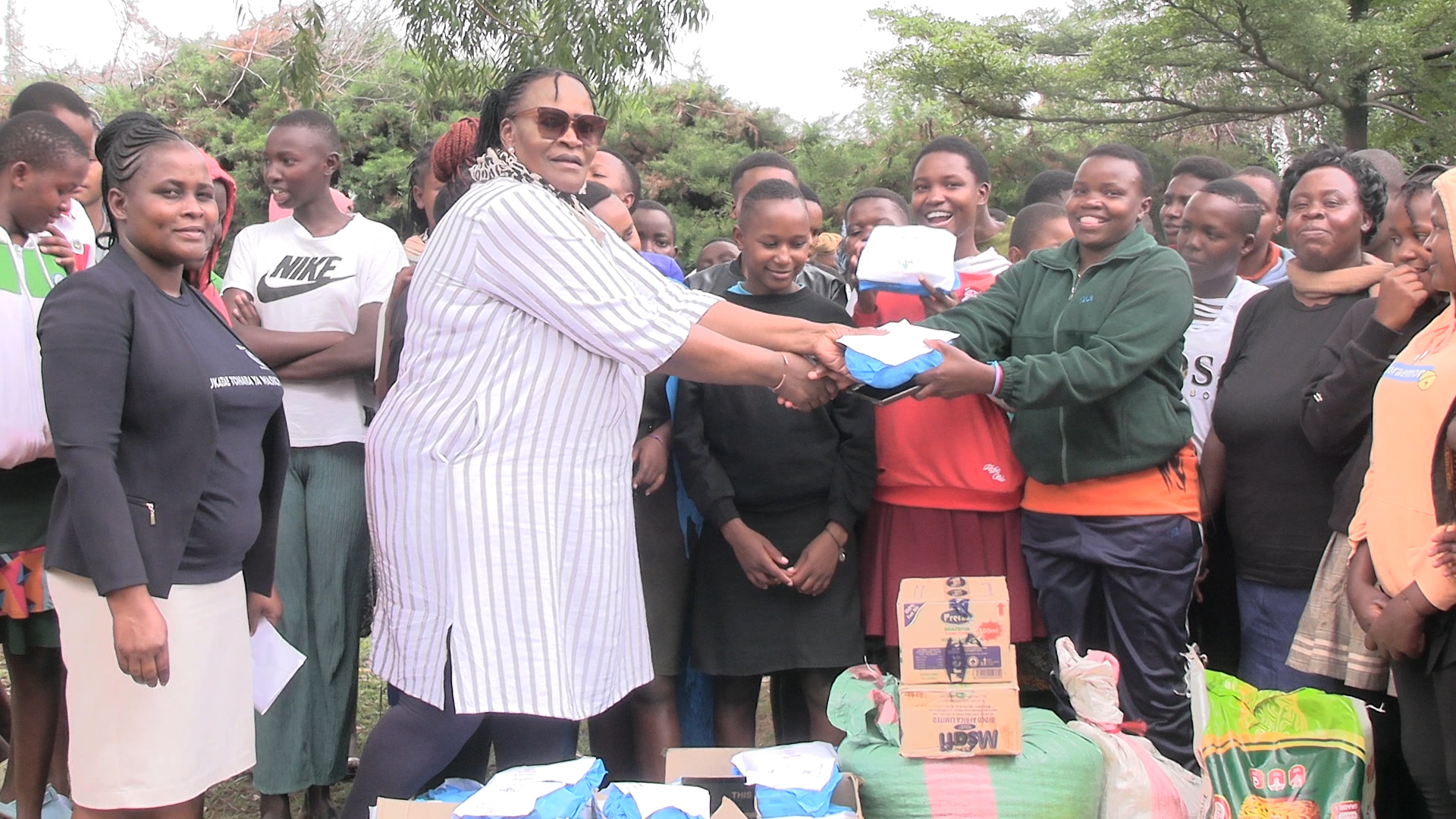
 Benter Odhiambo, coordinator at Micontrap Kenya, gives donations at the rescue centre /FAITH MATETE
GENDER rights activists in Migori county have begun efforts to reintegrate girls who fled female genital mutilation back into their families and schools, as learning institutions prepare to reopen.
The move comes after the onset of the circumcision season in November among the Bwirege clan of the Kuria community, a period that spans both Kenya and Tanzania and often forces girls to escape their homes to avoid the practice.
At Komotobo Maranatha Mission in Kuria East subcounty, 120 girls have sought refuge over the past two months after being disowned or threatened by their families for refusing to undergo the cut.
Activists say the girls will remain at the rescue centre until January 5, when schools reopen, by which time the circumcision season is expected to have ended.
With the new school term approaching, organisations working in the region have intensified counselling efforts aimed at reuniting the girls with their families so they can resume their education.
“Many of these girls were rejected by their parents, but their education is at risk if they are not reintegrated in time,” said Benter Odhiambo, the coordinator at Micontrap Kenya.
 Denis Marwa, manager at Maranatha Mission Center /FAITH MATETE
“We have started counselling sessions to prepare both the girls and their families for reintegration so that the children can return to school.” Odhiambo spoke when her organisation distributed food supplies and toiletries to the girls.
The event also included a bonding and counselling session to help the girls cope emotionally during the festive season.
She noted that ensuring full transition back to school remains one of the biggest challenges after FGM threats.
Once girls are circumcised, they are often perceived as adults and are pushed into early marriage or sexual relationships, significantly reducing the chances of continuing their education.
Counsellors have already begun engaging parents and guardians of the girls at the rescue centre, urging them to allow their children to return home and rejoin school when the term begins.
Komotobo Maranatha Mission Centre manager Denis Marwa said the facility has been offering refuge to girls fleeing FGM since 2007, citing the absence of a government-run rescue centre in the Kuria region.
Over the years, the centre has received girls from both sides of the Kenya–Tanzania border.
“We have girls whose parents have been arrested and are undergoing court processes, and others whose families have completely refused to accept them back,” Marwa said, adding that such situations placed the girls’ education and future at risk.
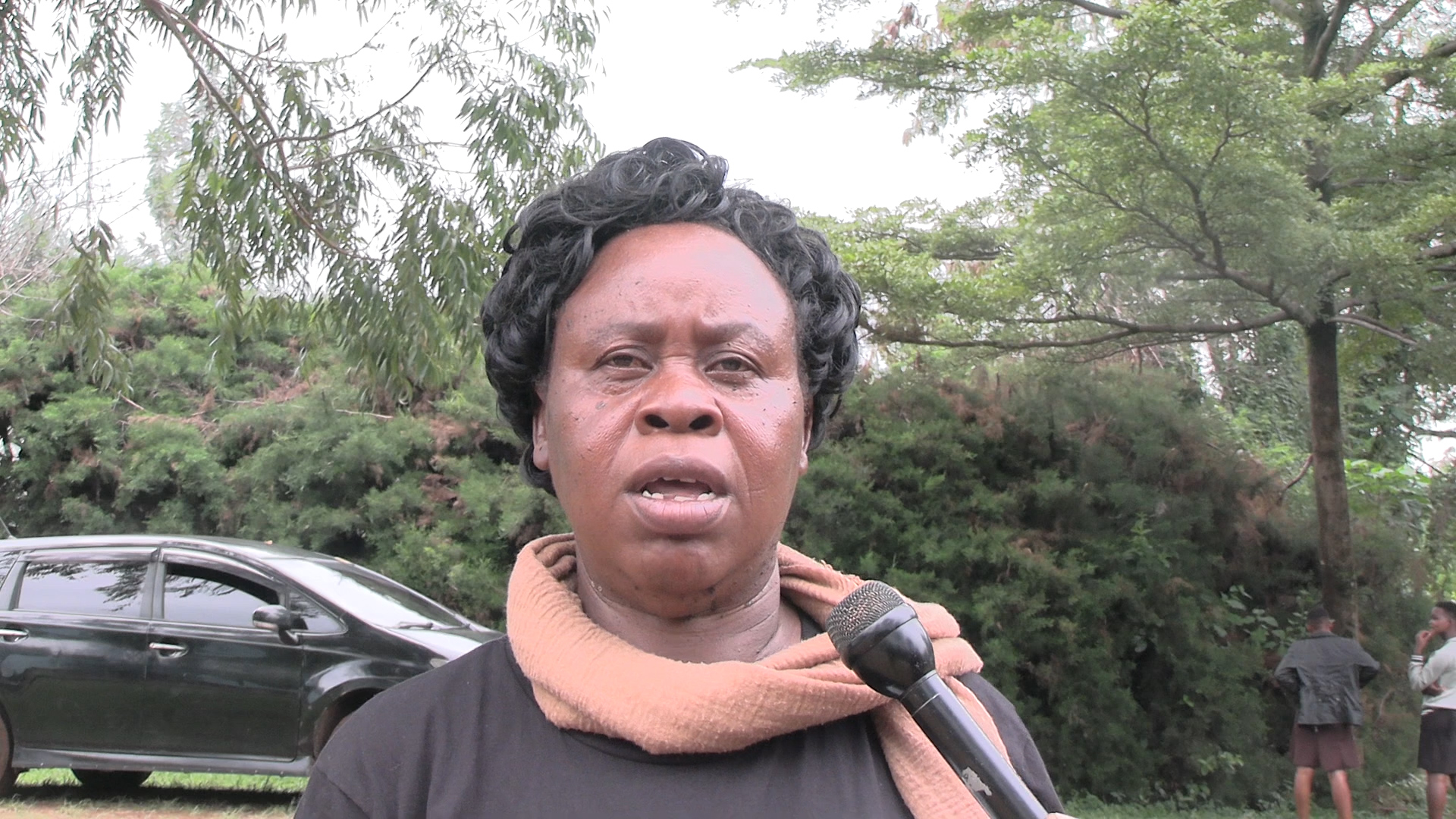 Colleta Bwahi, CEO Micontrap Kenya /FAITH MATETE
He explained that while at the centre, the girls receive life skills training and mentorship from role models some of whom once fled FGM and have since become professionals, students or married adults aimed at inspiring hope and resilience.
“As schools reopen, reintegration becomes unavoidable,” he said. “We have formed a team of elders, church leaders and family members to support the girls’ return home in a safe and structured way.”
Micontrap Kenya CEO Colleta Bwahi said the organisation will work with schools and local administrators to collect data on school transition and retention rates among rescued girls.
The activists have renewed calls for government intervention, urging the national and county governments to establish a permanent rescue centre in the region to provide a safe and long-term shelter for girls fleeing FGM.
They noted that despite more than two decades of advocacy by rights groups, appeals to the government and elected leaders to build such a facility have yet to yield action.