Home » AFRICA » Explore Africa’s Hidden Gems with New UAE-Backed Eco-Tourism Projects
Published on
January 27, 2026
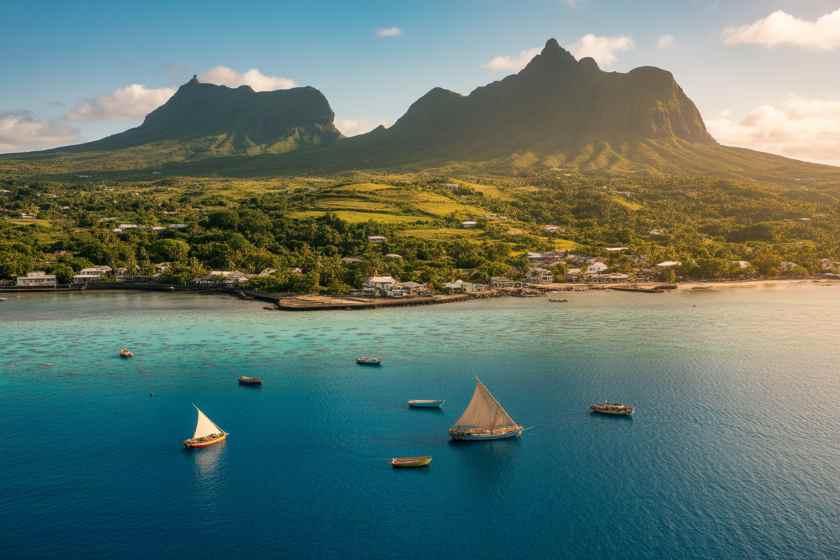
Comoros, Morocco, and Tanzania are among the countries in Africa benefiting from the UAE’s rapidly expanding tourism investments. With over USD 118 billion invested in various sectors across the continent, the UAE is now making significant strides in reshaping Africa’s tourism infrastructure. This investment is part of a broader strategy to diversify economies and stimulate job creation, particularly in key regions like North Africa, the Indian Ocean islands, and the East African coastline.
In partnership with various public and private sector stakeholders, the UAE is supporting tourism development by introducing state-of-the-art hotels, resorts, and tourism infrastructure, contributing to the transformation of Africa’s hospitality landscape. From luxury resorts to eco-tourism ventures, the UAE’s involvement is elevating Africa’s potential as a leading travel destination.
UAE Investments Across Africa’s Tourism Sector
The UAE has strategically focused on several key African markets, with investments in high-end resorts, infrastructure, and hotel management services. In late October 2025, Mayan Properties, a subsidiary of Resources Investment, signed an agreement with Accor to develop five new hotel projects across Africa. Notable among these projects are a 159-room Mövenpick hotel in Moroni and a 170-room Novotel in Nouakchott.
These projects will contribute to expanding Africa’s tourism offerings, particularly in regions that have not been as well-served by international hospitality brands. The introduction of renowned global brands like Mövenpick and Novotel will raise the bar for service standards in these regions, attracting more tourists and improving the overall travel experience.
Advertisement
Advertisement
Luxury Tourism and Safari Destinations: Tanzania and South Africa
On the luxury front, the Jumeirah Group has made its debut in Africa, partnering with Thanda to operate the exclusive Jumeirah Thanda Island in Tanzania’s Shungimbili Marine Reserve and a safari property in South Africa. These developments are part of a growing trend in Africa’s premium tourism market, where high-net-worth individuals are seeking private islands and exclusive safari experiences.
By investing in these luxurious, secluded properties, the UAE is positioning itself to cater to the growing demand for premium, experience-based travel. The trend toward exclusive, bespoke travel experiences is expected to increase, as more travelers look for high-end options in Africa’s pristine natural environments.
Advertisement
Advertisement
Morocco’s Role as a Regional Gateway
In Morocco, Wessal Capital, partly backed by Abu Dhabi’s Aabar Investments, has developed the Wessal Bouregreg development in Rabat-Salé, positioning Morocco as a gateway for both European and African tourists. This development, which includes luxury hotels and residential spaces, enhances Morocco’s tourism infrastructure, offering visitors a more seamless and attractive entry point into the region.
Wessal’s projects in Morocco are part of a larger effort to modernize the country’s tourism facilities, positioning the North African destination as a hub for both leisure and business tourism. As Morocco’s air connections improve and more high-quality accommodations become available, the country is set to see more visitors from around the world, strengthening its position as a regional tourism leader.
Government and Private Sector Collaborations
The UAE’s tourism investments align with broader economic diversification goals in Africa. Countries like Morocco, Tanzania, and South Africa are increasingly focusing on tourism as a way to drive economic growth, create jobs, and boost foreign exchange earnings. The collaboration between the UAE government, sovereign wealth funds, and private sector players such as Mubadala further supports the growth of the tourism sector.
The Abu Dhabi Fund for Development (ADFD), another state-backed entity, has committed funds to the Sofitel Legend Pyramids Giza project in Egypt, underlining the UAE’s commitment to long-term tourism development in Africa. These types of investments are crucial for enhancing tourism infrastructure, creating a sustainable growth model for African tourism, and positioning the continent as a desirable destination for international travelers.
Air Connectivity and Regional Tourism Growth
The increased investment in tourism infrastructure in Africa is complemented by improved air connectivity. With approximately 550 weekly flights between the UAE and various African destinations, tourists can easily access key cities and attractions across the continent. The growing number of direct flights between the UAE and African countries is enhancing tourism flows, making it easier for travelers to visit not only high-demand destinations like Morocco, Tanzania, and South Africa but also emerging markets such as the Comoros and Mauritania.
Airlines, including Emirates, Flydubai, and other regional carriers, continue to expand their networks to Africa, offering more travel options and competitive prices for travelers. This increased accessibility makes it easier for tourists to visit multiple African destinations during a single trip, boosting regional tourism across the continent.
Looking Ahead: A Bright Future for African Tourism
The UAE’s increasing role in Africa’s tourism industry signals a new era of partnership and development. As more luxury hotels, resorts, and cultural tourism initiatives take shape, the continent will continue to attract travelers from around the world, eager to explore its diverse landscapes, cultures, and wildlife.
For travelers, the opportunity to experience Africa through upgraded accommodations and more accessible routes will only grow. Whether seeking an immersive safari experience in Tanzania, a luxury island stay in the Seychelles, or a cultural exploration in Morocco, Africa’s tourism offerings are expanding rapidly—thanks in part to the UAE’s investments in the region.
