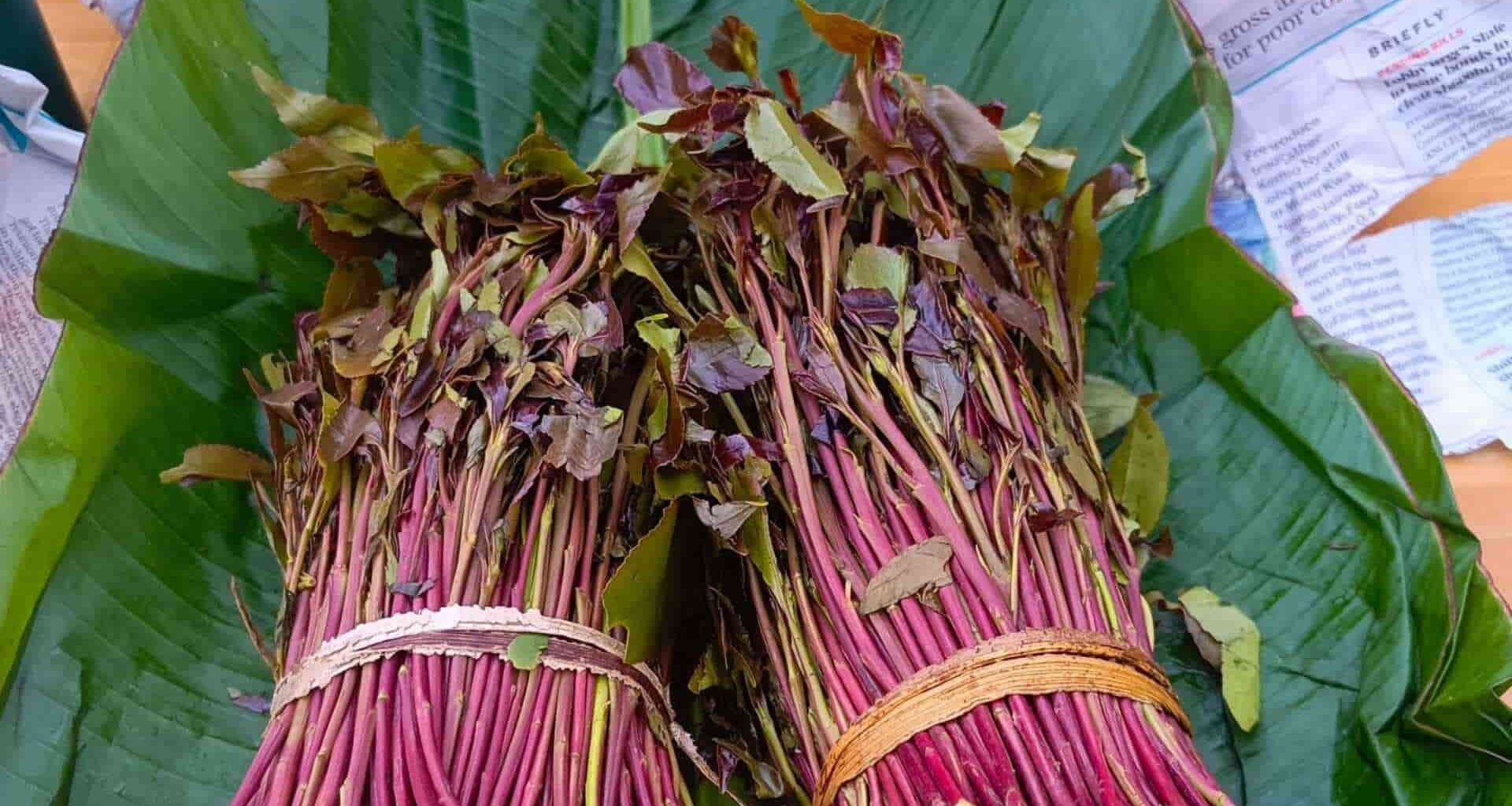
Kenya, January 05 2026 – Miraa, known botanically as Catha edulis and widely consumed across East Africa and the Horn, occupies a unique place in Kenya’s economic, cultural and legal landscape.
Even though it is cultivated, sold and exported freely, including to major markets such as Somalia, it remains listed under the Narcotic Drugs and Psychotropic Substances Act, an aspect that mystifies farmers, traders and consumers alike.
This tension reflects deeper contradictions between customary use, economic opportunity, public health priorities and international regulation.
Legal Crop, Controlled Substance
In Kenya, Miraa has never been outright banned, unlike cannabis, and cultivating, selling or consuming it is not prohibited under general law.
The stimulant crop is recognised in the Crops Act and specific Miraa regulations, which guide its production, marketing and export. Yet the active compounds it contains, cathinone and cathine, are listed as psychotropic substances under the Narcotic Drugs Act. Karen authorities, represented by NACADA, maintain it in the controlled substances list due to these psychoactive components, even as the crop itself thrives commercially.
This situation has created a legal grey area that frustrates growers and exporters alike. The Nyambene Miraa Farmers and Traders Association has repeatedly called for removal of miraa from the drugs schedule, arguing that its classification as a narcotic hampers full development of the industry, restricts access to markets and imposes unnecessary stigma on a culturally embedded product.
Economic Lifeline for Many, Especially for Major Consumer Markets
For millions of Kenyan farmers, predominantly in Meru, Embu, Tharaka-Nithi and parts of central Kenya, miraa is not just a crop but a source of livelihood.
The Agriculture and Food Authority notes that hundreds of thousands of households depend on miraa production, with tens of thousands of traders and transporters involved in a supply chain that extends to domestic and international markets.
On a normal day along Kenyan highways, motorists are often met by speeding double-cab pickup trucks, heavily modified to absorb bumps and rough terrain, weaving through traffic with little regard for road safety rules as they race toward the airport.
Locals along these routes know the drill all too well. They say that when such vehicles are involved in accidents, another pickup is usually on standby, ready to offload the cargo and continue the journey without delay. In cases where the damage is minor, a familiar phrase is quietly exchanged at the roadside, “tutakutana baadaye tukubaliane damages” loosely translated as “we’ll meet later and agree on the damages.” The priority is never the vehicle; it is the delivery.
These high-speed convoys are not ferrying ordinary goods. They are transporting fresh miraa and muguka, crops whose value begins to decline the moment they are harvested. Time, not distance, determines profit.
Within hours of cutting, the stimulant must be at Nairobi’s Jomo Kenyatta International Airport, destined primarily for Somalia, where demand remains highest and prices most lucrative.
Every delay risks financial loss, pushing traders and drivers into a race against both the clock and the law, a reality that has turned sections of Kenyan highways into unofficial supply corridors governed by urgency rather than regulation.
Despite miraa being legal under Kenyan law, its movement tells a different story — one shaped by informal logistics, regulatory grey zones, and cross-border demand.
The frantic dash to the airport reflects a trade that operates at the intersection of legality and risk, sustained by regional consumption patterns and cultural acceptance beyond Kenya’s borders.
For communities along these highways, the sight of these speeding vehicles has become routine, yet it quietly reveals the scale, pressure and contradictions of a trade that remains officially recognised at home, controversial abroad, and indispensable to thousands of livelihoods.
The Kenyan sector is estimated to generate billions of shillings annually, and Somalia remains its largest export destination, followed by markets in the Middle East and parts of Africa.
The importance of the Somali market cannot be overstated. Miraa, locally called Qaat in Somalia, is consumed daily by many social groups as part of cultural and social practice, especially in gatherings, business meetings and religious celebrations.
In 2021, Somalia lifted a ban on miraa imports from Kenya, opening channels for renewed trade and boosting demand after diplomatic tensions eased. Somali traders import miraa by licensed consignment, making the crop a key economic linkage between the two countries.
Public Health Concerns and Stigma
Opponents of de-listing miraa from drug laws argue that the World Health Organization and United Nations conventions classify the chemical compounds in khat as psychoactive and potentially harmful.