Published on
January 30, 2026
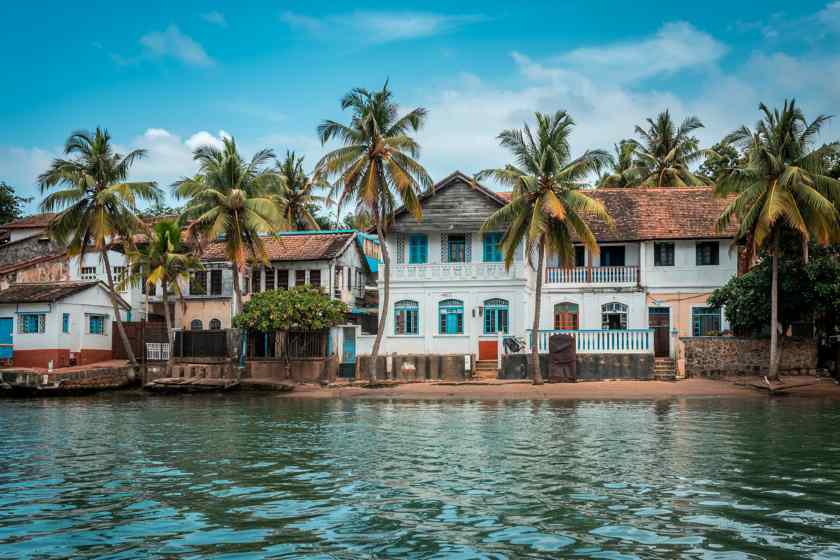
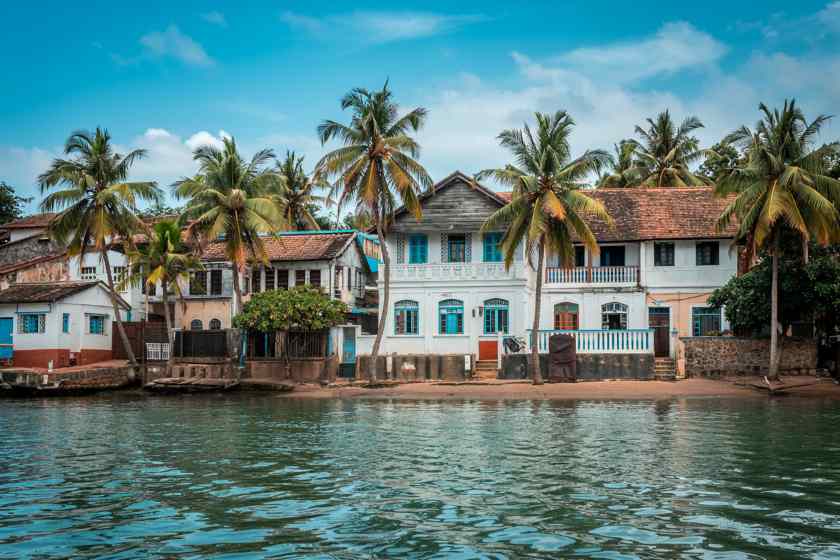
Kilifi, one of Kenya’s most cherished coastal destinations, is facing the harsh realities of climate change, which is significantly affecting both the local economy and cultural heritage. Known for its pristine beaches, marine adventures, and island excursions, the coastal town is grappling with rising temperatures, fluctuating sea levels, and unpredictable weather patterns, all of which threaten the region’s delicate ecosystems and tourism-driven livelihoods.
For many in Kilifi, tourism forms the backbone of their livelihood. Women running small businesses in the tourism sector are particularly vulnerable, as climate change directly impacts their daily operations. These women, who form the core of tourist guides, seafood supply chains, hotels, and local crafts, now face an uncertain future as the environment they depend on is rapidly changing.
The Impact on Local Livelihoods
Mangrove forests, vital to coastal ecosystems, play a significant role in supporting local economies. They help regenerate coastal forests, provide habitat for seafood species, and act as nurseries for shrimp, prawns, and crabs. However, these mangroves are struggling to survive as freshwater becomes scarce and salinity levels rise. This threatens the delicate balance that sustains not only local fisheries but also the culinary tourism that has become increasingly popular in the region.
As the mangroves decline, seafood stocks—key ingredients in traditional dishes and a major draw for gastronomy tourists—are also dwindling. Prawns, crabs, and other seafood that were once abundant are becoming increasingly scarce. This decline has a profound impact on local chefs and food businesses, who rely on these ingredients to provide authentic coastal cuisine for tourists seeking a taste of Kenya’s rich culinary heritage.
Advertisement
Advertisement
With fewer fish and shellfish in the waters, women who supply seafood to hotels, restaurants, and market stalls face diminishing incomes, further threatening the stability of Kenya’s coastal tourism economy. Culinary tourism in coastal regions like Kilifi, which thrives on local flavours and traditional dishes, is at risk of losing a key element of its appeal.
Loss of Culinary Heritage
The climate crisis in Kilifi also affects more than just the economy. Traditional culinary heritage, based on locally sourced ingredients such as cashew nuts, coconut, and baobab, is increasingly under threat. These plants, which have been an integral part of the region’s cuisine for generations, are dying due to prolonged drought and changing weather patterns. Women involved in food-related businesses describe cooking as a core aspect of their identity and cultural pride, with recipes rooted in Kenya’s biodiversity.
Advertisement
Advertisement
The loss of key ingredients means the disappearance of traditional dishes, and with it, a loss of cultural tourism experiences. As more visitors seek out genuine culinary experiences, particularly those connected to the land and sea, the scarcity of these important foods diminishes the authentic appeal of Kenya’s coastal offerings. For many tourists, experiencing the local food is an essential part of their journey, and as this aspect fades, so does a key element of what draws visitors to Kenya in the first place.
Coastal Displacement and the Erosion of Cultural Identity
Beyond economic and culinary losses, rising sea levels are physically reshaping the coastline of Kilifi, swallowing land that once supported communities and cultural practices. Families and coastal traders are being displaced as the ocean encroaches on once fertile areas. Ancestral burial sites, once located along the coast, are being lost to the sea, leading to psychological distress and the erosion of a sense of place for many coastal residents.
Advertisement
Advertisement
As coastal communities lose access to their ancestral land and fishing grounds, it also restricts women’s participation in decision-making processes that directly affect their livelihoods. The loss of both physical and cultural heritage challenges the fabric of the community, undermining the resilience of the tourism sector. When tourists visit and interact with local communities, they are engaging not just with the people, but with their cultural identity—an identity that is being gradually eroded by the changing environment.
The Broader Impact on African Tourism
The struggles of Kilifi’s coastal communities are not isolated. Across sub-Saharan Africa, tourism destinations are increasingly vulnerable to climate change. As rising temperatures, unpredictable weather patterns, and sea level rise impact coastal areas, both tourism professionals and local economies must find ways to adapt. In regions like Kenya, Ghana, Mauritius, and other island nations, tourism is a cornerstone of the economy, and climate change poses a direct threat to this industry.
For the African travel and tourism industry, this serves as a stark reminder that climate change is not just an environmental issue but a business one. Protecting coastal ecosystems, cultural heritage, and local livelihoods must be integrated into tourism policies, especially in areas dependent on nature tourism, eco-tourism, and culinary tourism.
A Call for Action and Resilience
The situation in Kilifi calls for urgent climate action and adaptation strategies that integrate both the economic and cultural aspects of tourism. In Kenya, regional governments and tourism stakeholders must work together to address these challenges, from mangrove restoration projects to climate-resilient tourism practices. Empowering local communities, particularly women, to participate in climate adaptation and sustainability efforts is essential for building resilience and ensuring the continued vibrancy of Kenya’s tourism.
As the global tourism sector grapples with the realities of climate change, Kenya’s coastal regions, like Kilifi, offer a critical lesson on the importance of protecting both cultural heritage and environmental sustainability in building long-term tourism growth. Through community-driven solutions and gender-sensitive climate policies, Kenya can continue to offer authentic, sustainable tourism experiences for generations to come.
Conclusion
As climate change reshapes the environment of Kenya’s coast, particularly in Kilifi, it is clear that tourism is facing both challenges and opportunities. The region’s cultural richness, eco-tourism potential, and culinary heritage are inextricably tied to the environment, and safeguarding these aspects is crucial for maintaining Kenya’s appeal as a top tourism destination. By addressing the economic and cultural impacts of climate change, Kenya can continue to thrive as a sustainable and vibrant destination in Africa’s tourism landscape.
