Home
»
Latest Travel News
»
Egypt Joins South Africa, Morocco, Nigeria, Ghana, Zimbabwe, and Others in Africa to Face Numerous New Travel Changes, Stricter Entry Processes, and Potential Visa Delays Across US Under the New Visa Policies This Year: All You Need to Know
Published on
January 1, 2026
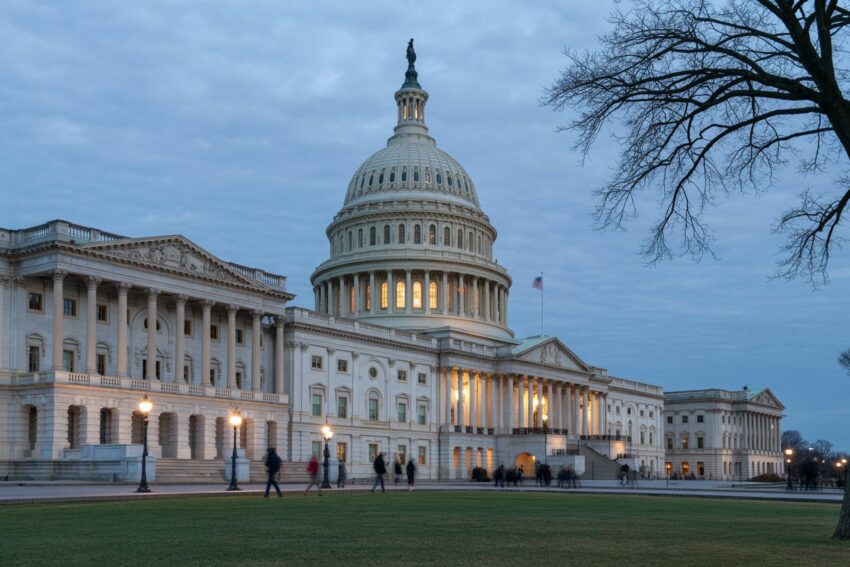
Egypt joins South Africa, Morocco, Nigeria, Ghana, Zimbabwe, and others in Africa in facing new travel changes, stricter entry processes, and potential visa delays under U.S. visa policy changes in 2026. Here’s what you need to know. As part of a broader initiative to enhance security and reduce illegal immigration, the U.S. is implementing a series of new, more stringent visa rules for travelers from high-risk countries. These changes include increased financial costs, mandatory social media and email history disclosures, biometric selfie submissions, and heightened scrutiny of applicants’ ties to their home countries. For Egyptian nationals, this means facing a more complex and costly application process, with the likelihood of delays and additional documentation requirements. As these policies take effect, travelers will need to navigate the new landscape of U.S. visa applications to ensure smoother entry into the country. This article outlines the key changes and what you can expect during the visa process in 2026.
Egypt: Navigating a Digital Minefield to Enter the U.S. in 2026

Egyptian travelers will have to embrace a digital revolution in their visa process. With a massive overhaul of U.S. immigration policies, Egypt is facing a more complex and expensive visa application process. The $250 Visa Integrity Fee has added to the total cost of $435. On top of that, travelers must disclose their social media history for the past 5 years, and provide 10 years of email history. As if that wasn’t enough, applicants must also comply with the new mandatory “Selfie” rule, submitting real-time biometric selfies via mobile apps. These changes are likely to slow down visa processing for Egyptians and add layers of digital scrutiny that could cause delays and confusion for hopeful travelers.
Entry StatusNew Financial CostKey Administrative ChangesStandard Vetting$439+ ($185 base + $250 Integrity Fee + $4 I-94 fee)– Mandatory public disclosure of social media. – 10 years of email history required.
– High risk of “Administrative Processing” delays.
Nigeria: A New Era of Strict Vetting and Delayed Approvals for Travelers

Nigerian travelers are facing the toughest visa rules in a decade. With concerns over high visa overstay rates, Nigeria has been subjected to a “Partial Entry Ban,” and applicants now face major hurdles. The $439 cost includes the new $250 Integrity Fee, but the challenges go beyond the price tag. Social media screening has become mandatory, and applicants will need to provide a “Selfie” for biometric verification. Additionally, the introduction of the CBP Home app, which requires biometric selfies when exiting the U.S., is sure to add complexity and delays to the process. These new vetting procedures are expected to result in slower visa approvals and tighter scrutiny for Nigerian travelers.
Entry StatusNew Financial CostKey Administrative ChangesPartial Entry Ban$439+ ($185 base + $250 Integrity Fee + $4 I-94 fee)– Suspension of new B1/B2, F, and J visas for most nationals.
– DNA testing may be requested to verify “Family Information” disclosures.
South Africa: Breaking Down the Barriers to U.S. Travel Amid Complex New Rules
South African travelers are grappling with a combination of higher costs and digital hurdles. Despite earlier rumors, South Africa remains outside the Visa Waiver Program, which means South African applicants must now pay a $250 Integrity Fee, raising the total visa cost to about $435. In addition to this, applicants are required to submit 5 years of social media history and 10 years of email records. The new “Selfie” rule will also come into play, forcing applicants to submit biometric selfies through mobile apps to prove their identity. The added digital burden will likely slow down business and tech travel, making it harder for South African professionals to visit the U.S. for work-related purposes.
Entry StatusNew Financial CostKey Administrative ChangesStandard Vetting$439+ ($185 base + $250 Integrity Fee + $4 I-94 fee)– South Africa remains outside the Visa Waiver Program.
– All applicants must provide 5 years of social media handles.
Morocco: The U.S. Visa Process Becomes a Gauntlet of New Digital Requirements

Moroccan travelers are entering a new era of strict visa vetting. The $250 Integrity Fee, added to the $435 total cost, will likely increase processing times for Moroccan travelers. One of the most significant new rules is the mandatory “Selfie” requirement, where applicants in Casablanca must submit live, GPS-matched photos as part of their visa application. This “Liveness Detection” selfie ensures that applicants are physically present and not submitting fraudulent materials. Additionally, Moroccan applicants will now need to provide extensive data about their family members, including phone numbers and residence information for the past 5 years. These new layers of verification will make the visa process more time-consuming and complicated.
Entry StatusNew Financial CostKey Administrative ChangesStandard Vetting$439+ ($185 base + $250 Integrity Fee + $4 I-94 fee)– Strict “Liveness Detection” selfie required via the mobile app.
– Family residence data is used to map extended regional networks.
Ghana: An Even Tighter Visa Process With New Scrutiny on Financial Ties

Ghanaian travelers are now under more intense scrutiny due to financial and digital vetting rules. In addition to the $250 Integrity Fee, raising the visa cost to $439, applicants from Ghana must now provide 5 years of phone history and demonstrate stronger financial ties to their home country. AI vetting will cross-reference applicants’ social media accounts, such as LinkedIn, with employment history to detect fraudulent claims. The most significant new requirement for Ghanaians is the “Selfie” biometric verification, ensuring that their face matches the passport on record. With these additional checks, the application process will take longer, and Ghanaians will face more rigorous vetting before gaining U.S. entry.
Entry StatusNew Financial CostKey Administrative ChangesStandard Vetting$439+ ($185 base + $250 Integrity Fee + $4 I-94 fee)– Heavy focus on the 5-year phone history.
– AI vetting cross-references social media (e.g., LinkedIn) with work history to detect fraud.
Zimbabwe: Increased Biometrics and Delays in Visa Processing for Travelers
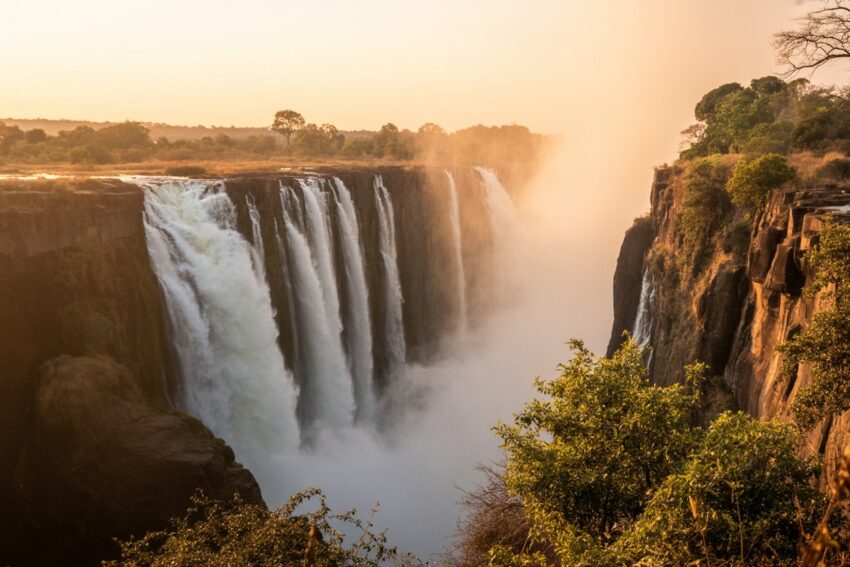
Zimbabwean travelers are facing a digital identity revolution as part of the new U.S. visa process. Zimbabwe has been added to the restricted list, and routine visa operations in Harare are largely paused for non-emergency applicants. The $250 Integrity Fee brings the total cost to $439, and applicants will face new biometric verification steps, including mandatory “Selfie” submissions for identity confirmation. The U.S. government is requiring more digital security checks, citing weaknesses in Zimbabwe’s civil documentation system. With biometric security becoming a key feature of the visa process, Zimbabwean travelers can expect delays and added complexity when applying for U.S. visas.
Entry StatusNew Financial CostKey Administrative ChangesPartial Entry Ban$439+ ($185 base + $250 Integrity Fee + $4 I-94 fee)– Added to the restricted list on Jan 1, 2026.
– Routine visa operations in Harare are largely paused for new non-emergency applicants.
Universal Changes for All Countries: A New Era of Scrutiny, Delays, and Higher Costs
Across the board, U.S. travelers will feel the heat of new, stricter rules. The $250 Integrity Fee is now mandatory for all applicants from South Africa, Nigeria, Egypt, Morocco, Ghana, and Zimbabwe, increasing the total visa cost to $439. Social media and email history spanning 5-10 years is now required for all applicants, and the “Selfie” rule adds a layer of biometric verification. This means applicants will need to prove their identity through real-time selfies with mobile apps, which ensures fraud prevention and smooth exit processes. With family mapping to prove “ties to home,” the application process has grown more complex for everyone, making it harder and more expensive to get a U.S. visa.
Entry StatusNew Financial CostKey Administrative Changes–$439+ ($185 base + $250 Integrity Fee + $4 I-94 fee)– Mandatory social media screening (5–10 years of online activity).
– “Selfie” rule requiring real-time biometric verification.
– Increased use of mobile apps for biometric check-ins and exits. – Family mapping to ensure sufficient “ties to home” and prevent overstays.
Family and Financial Ties Verification: Strengthening Entry Criteria
In 2026, U.S. immigration authorities are placing an increased emphasis on verifying family and financial ties to applicants’ home countries. This rule aims to ensure that travelers have strong connections to their countries of origin, reducing the likelihood of overstays or illegal immigration. Travelers from high-risk countries, including Ghana, Nigeria, and Zimbabwe, are required to provide detailed family information, such as phone numbers, addresses, and residency data for the past 5 years. Financial documents demonstrating stable employment, assets, and bank statements will also be scrutinized to confirm that applicants can support themselves during their U.S. stay without relying on public assistance. This policy reflects a broader U.S. effort to limit entry to those with clear, verifiable ties to their home nations.
Key ChangeImpact on ApplicantsFamily Information DisclosureMust provide contact details and residence history for close family membersFinancial DocumentationProof of financial stability required for visa approvalTies to Home VerificationScrutiny of applicants’ ability to support themselves during U.S. stay
Increased Biometric Data Collection for Security Measures
Biometric data collection has become a central element of U.S. immigration procedures, particularly for travelers from Egypt, Morocco, and South Africa. In addition to submitting selfies for real-time identity verification, applicants will be required to undergo fingerprinting and possibly iris scans during the visa process. The move to expand biometric data collection is part of a larger U.S. effort to bolster national security and reduce the chances of visa fraud. This requirement will be part of both the application and exit processes, with travelers expected to submit biometric data upon entry and departure from the U.S. The added biometric checks are anticipated to slow down visa processing times but will ultimately strengthen the integrity of the visa system by ensuring that individuals match their records throughout their stay.
Key ChangeImpact on ApplicantsExpanded Biometric DataFingerprinting, iris scans, and “Selfie” submissions requiredExit and Entry ProceduresBiometric data collected both on arrival and departureEnhanced SecurityImproved verification of traveler identity to prevent fraud
Increased Use of AI and Digital Screening
The integration of artificial intelligence (AI) into the visa application process will further complicate the journey for travelers from countries like Nigeria, Ghana, and Zimbabwe. AI will be used to cross-check applicants’ social media history, email records, and phone logs to detect discrepancies or fraudulent activities. The AI system is designed to flag inconsistencies, such as mismatches between applicants’ claimed employment history and the information found on social media platforms like LinkedIn. While these tools are meant to catch fraudulent visa applications, they could also delay processing for those with perfectly legitimate backgrounds. AI-powered systems will also be involved in the “Liveness Detection” for biometric selfies, ensuring that the photos submitted by applicants are indeed real-time images and not pre-recorded or altered.
Key ChangeImpact on ApplicantsAI-Powered Digital ScreeningCross-referencing social media and email data for discrepanciesFraud DetectionIncreased likelihood of scrutiny for applications showing inconsistencies“Liveness Detection” ProcessAI verifies real-time identity through biometric selfies
Suspension of Certain Visa Categories for High-Risk Countries
In 2026, a key change in U.S. immigration policy is the suspension of certain visa categories for travelers from countries deemed high-risk. For example, Nigeria has experienced a Partial Entry Ban, affecting its citizens’ ability to apply for specific visa types, such as B1/B2 tourist visas and F and J student visas. This partial ban is the result of persistent concerns over visa overstays, particularly in countries where travelers often fail to return after their U.S. visit. While other visa categories may still be available, applicants from these countries will face significant restrictions and delays. This suspension is part of the broader U.S. effort to prevent illegal immigration and strengthen the visa system’s credibility.
Key ChangeImpact on ApplicantsVisa Category SuspensionB1/B2, F, and J visas suspended for most nationals from high-risk countriesDelay in Visa ProcessingApplications for suspended categories face lengthy approval timesTightened Entry RestrictionsMajor hurdles for individuals seeking entry under certain visa types
Expanded Use of Mobile Apps for Travel and Entry Procedures
The introduction of the CBP Home app and other mobile platforms will now be an integral part of U.S. entry and exit procedures. For countries like Nigeria, South Africa, and Morocco, the app will serve as a tool for biometric verification, as travelers will be required to submit a “Selfie” upon both entry and departure. The app will track the real-time movement of travelers and ensure they comply with the terms of their visa. This new mobile app integration is designed to streamline immigration procedures but will also add another layer of digital complexity. Travelers will need to ensure they have the necessary mobile devices and apps to complete these steps to avoid delays during their U.S. trip.
Key ChangeImpact on ApplicantsCBP Home App IntegrationRequired use of mobile apps for biometric verificationMobile Device DependencyTravelers must have compatible smartphones for app usageReal-Time TrackingApp tracks entry and exit movements to ensure compliance
Documentation of Travel History and Previous U.S. Entries
As part of the visa vetting process, travelers from Egypt, South Africa, and other high-risk countries must now provide detailed records of their past travels, including entries and exits from the U.S. and other countries. This documentation will be cross-checked against U.S. immigration records to verify that the traveler has not overstayed previous visas or violated any immigration laws. Applicants who have previously been denied U.S. entry or who have a history of overstays may face additional scrutiny or outright visa denials. These rules aim to prevent individuals with a history of non-compliance from gaining entry to the U.S., tightening the process for those with past issues.
Key ChangeImpact on ApplicantsTravel History DisclosureDetailed entry and exit records required for past travelsCross-Checking with U.S. RecordsIncreased scrutiny for applicants with prior immigration violationsVisa Denials for Non-CompliancePast overstays may lead to automatic disqualification
Egypt joins South Africa, Morocco, Nigeria, Ghana, Zimbabwe, and others in Africa in facing new travel changes, stricter entry processes, and potential visa delays under U.S. visa policy changes in 2026. Here’s what you need to know.
Conclusion
Egypt, along with South Africa, Morocco, Nigeria, Ghana, Zimbabwe, and other countries in Africa, will face significant new travel changes, stricter entry processes, and potential visa delays across the U.S. under the updated visa policies in 2026. These changes, driven by the U.S. government’s efforts to enhance security and reduce immigration violations, will make the visa application process more complex and time-consuming for travelers from these nations. As a result, travelers will need to be prepared for additional scrutiny, higher costs, and delays. Understanding these new requirements and planning accordingly will be crucial for navigating the evolving visa landscape this year.
