Home » Brazil Travel News » South Africa Joins Iceland, Poland, Brazil, Canada, Morocco, Vietnam and More Nations in Deriving Tourism Growth Through Sustainable Initiatives, Cultural Attractions, and Job Creation in 2026
Published on
January 30, 2026
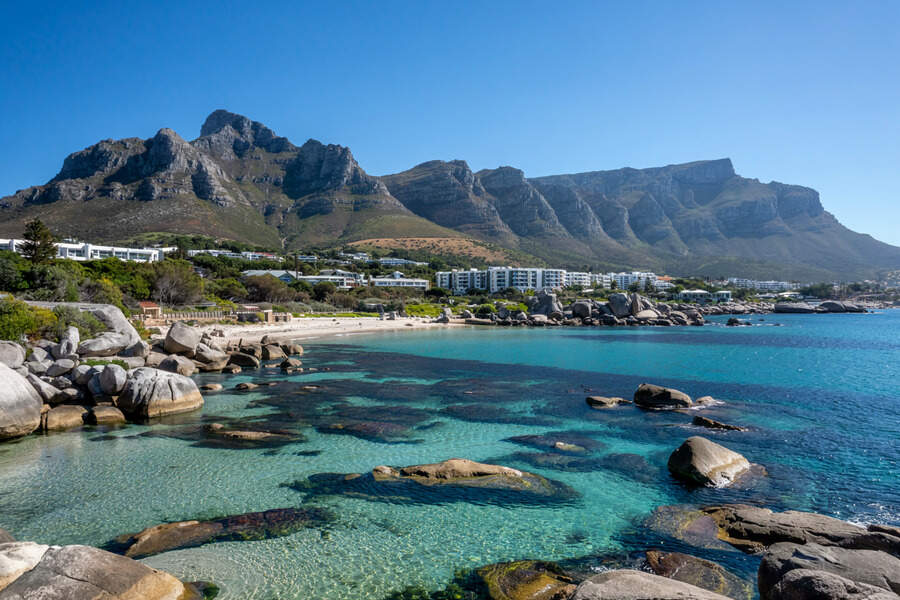
South Africa joins Iceland, Poland, Brazil, Canada, Morocco, Vietnam, and more nations in deriving tourism growth through sustainable initiatives, cultural attractions, and job creation, driven by innovative policies and enhanced global connectivity. As these countries embrace green tourism, they are not only attracting record numbers of international visitors but also fostering economic resilience and empowering local communities. From promoting eco-friendly travel to celebrating unique cultural heritages, these nations are setting the stage for a tourism boom that benefits both their economies and their citizens, making them some of the most sought-after destinations in the world.
The tourism sector across the globe has witnessed a surge in 2026, with countries embracing green initiatives, cultural attractions, and strategic policies to draw international visitors. Among these countries, South Africa, Iceland, Poland, Brazil, Canada, Morocco, and Vietnam have emerged as leaders, driving record-breaking tourism growth. Each of these destinations is capitalizing on unique assets—whether through sustainable tourism practices, cultural heritage, job creation, or enhanced connectivity—ensuring that tourism contributes to economic resilience and community empowerment. Let’s dive into the individual stories behind these booming tourism economies.
South Africa: A Sustainable Tourism Powerhouse
South Africa has seen a remarkable surge in international visitors in 2026, reaching its highest visitor count ever with 10.48 million arrivals. This boom reflects a broader global trend of increasing demand for sustainable and immersive travel experiences. Minister Patricia de Lille, during a government briefing, highlighted the nation’s tourism efforts, which have been instrumental in job creation and economic development. South Africa’s strategic approach to cultural tourism—from its wildlife safaris to its rich heritage—continues to draw travelers seeking adventure, history, and natural beauty.
The Tourism Growth Partnership Plan has been pivotal, focusing on ease of access, coordinated destination marketing, and safety improvements. Policies like the Electronic Travel Authorisation (ETA) system, rolled out to key markets such as India, China, Mexico, and Indonesia, are expected to bring 80,000–100,000 new jobs by enhancing visitor entry options.
South Africa’s tourism growth isn’t just about numbers; it’s a key component of its economic revival. The sector supports 1.8 million jobs, connecting global visitors with local communities. Long-term projects like the R2.5 billion Club Med resort in KwaZulu-Natal showcase increasing investment and investor confidence in the country’s tourism future.
Iceland: A Green Tourism Leader
Iceland, known for its dramatic landscapes, has capitalized on eco-tourism to attract millions of nature lovers and sustainability-minded travelers. With 29% growth in tourism in 2026, Iceland is not just a destination for nature enthusiasts; it’s a leader in integrating sustainable practices into tourism infrastructure. The country’s emphasis on renewable energy, sustainable farming, and eco-friendly transportation options appeals to environmentally conscious travelers.
Advertisement
Advertisement
Iceland’s eco-focused tourism isn’t just about preservation—it’s also creating jobs in green sectors. From geothermal tours to eco-lodging, new employment opportunities are tied directly to sustainability initiatives. Visitors to Iceland can now experience the Northern Lights, volcanic craters, and glaciers, all while supporting the country’s environmental goals.
Poland: A Hidden Gem of Cultural Heritage
Poland has experienced a significant tourism boom in 2026, with both cultural and eco-tourism offerings leading the charge. Warsaw and Kraków remain cultural hotspots, while natural parks and UNESCO World Heritage Sites such as Auschwitz-Birkenau attract history buffs from across the globe. Poland’s commitment to sustainable tourism development has led to investments in green travel infrastructure and sustainable transport networks.
In 2026, Poland reported a 20% rise in visitors—a testament to its cultural richness and efforts to diversify the tourism experience. Government policies focused on easy access, including improved visa services and direct flight routes, have been crucial in drawing tourists. Moreover, local businesses have benefitted greatly from the increased footfall, particularly those tied to the burgeoning heritage and cultural tourism industries.
Brazil: Harnessing Cultural and Natural Assets
Brazil’s tourism sector in 2026 has been fueled by its vibrant culture and vast natural resources. The country saw a 37% increase in international tourists, capitalizing on its famed Carnival, diverse rainforest ecosystems, and beautiful beaches. Brazil’s tourism boom is tightly connected to job creation, especially in remote areas like the Amazon Rainforest where eco-tourism initiatives provide sustainable incomes for local communities.
The Brazilian government has implemented policies that prioritize eco-tourism, creating jobs in conservation efforts and tour-guiding industries. With improved infrastructure and expanded air connectivity, Brazil has solidified its reputation as a top destination for eco-conscious travelers.
Canada: A Natural Beauty with Global Appeal
Canada’s natural allure continues to draw millions of travelers, with 2026 marking a record number of international arrivals. From the majestic Rocky Mountains to the cosmopolitan charm of Toronto and Vancouver, Canada’s diverse offerings are attracting a global audience. Canada’s focus on sustainable tourism practices, including eco-friendly hotels and green travel initiatives, is paying off.
Canada is also benefiting from its strong cultural heritage—celebrating indigenous art, French heritage, and modern urban experiences. The country’s tourism policies have integrated green initiatives, such as carbon-offset programs and eco-tours, making it a preferred destination for environmentally conscious tourists. As a result, tourism contributes significantly to job creation in the hospitality, transportation, and cultural sectors.
Morocco: Merging Tradition with Modern Sustainability
Morocco’s tourism sector in 2026 is booming thanks to a blend of rich culture and sustainability initiatives. With a 25% growth in international arrivals, Morocco is attracting visitors eager to explore its medieval cities, desert landscapes, and historic souks. The country has made significant strides in sustainable tourism by promoting eco-friendly hotels and eco-tourism activities in the Atlas Mountains and Sahara Desert.
The Moroccan government has also invested in sustainable transport and green infrastructure to cater to eco-tourists. Additionally, Morocco’s diverse cultural offerings—from Moorish palaces to medieval cities—continue to draw cultural tourists, while enhancing local job opportunities in the tourism sector.
Vietnam: A Star of the Tourism Revival
Vietnam has been one of the strongest performers in global tourism in 2026, reporting a 20% increase in visitors. The country’s tourism growth is fueled by its rich cultural heritage, including ancient temples, UNESCO World Heritage Sites, and vibrant urban experiences. Hanoi and Ho Chi Minh City are cultural magnets, while eco-tourism destinations like Ha Long Bay and Phong Nha-Kẻ Bàng National Park have gained global attention.
Vietnam’s success is attributed to the government’s visa facilitation reforms and green tourism policies, which encourage sustainable travel and job creation in rural and underdeveloped areas. The country’s efforts to develop its hospitality infrastructure and promote sustainable tourism have helped bolster its position as a top global destination.
In 2026, countries like South Africa, Iceland, Poland, Brazil, Canada, Morocco, and Vietnam are leading the charge in sustainable tourism growth. Each nation has effectively leveraged green initiatives, cultural attractions, and job creation to foster resilient tourism economies that benefit both visitors and local communities. As more destinations embrace these practices, the global tourism sector is set to experience continued growth, ensuring that travel not only drives economic prosperity but also promotes environmental sustainability and cultural preservation.
South Africa joins Iceland, Poland, Brazil, Canada, Morocco, Vietnam, and more nations in deriving tourism growth through sustainable initiatives, cultural attractions, and job creation. These countries have effectively leveraged green policies, rich cultural heritage, and enhanced accessibility to attract record-breaking international visitors, driving both economic growth and community development.
These countries have proven that with the right balance of cultural pride, environmental stewardship, and innovative policies, the tourism industry can thrive in the 21st century—bringing lasting benefits to all.
