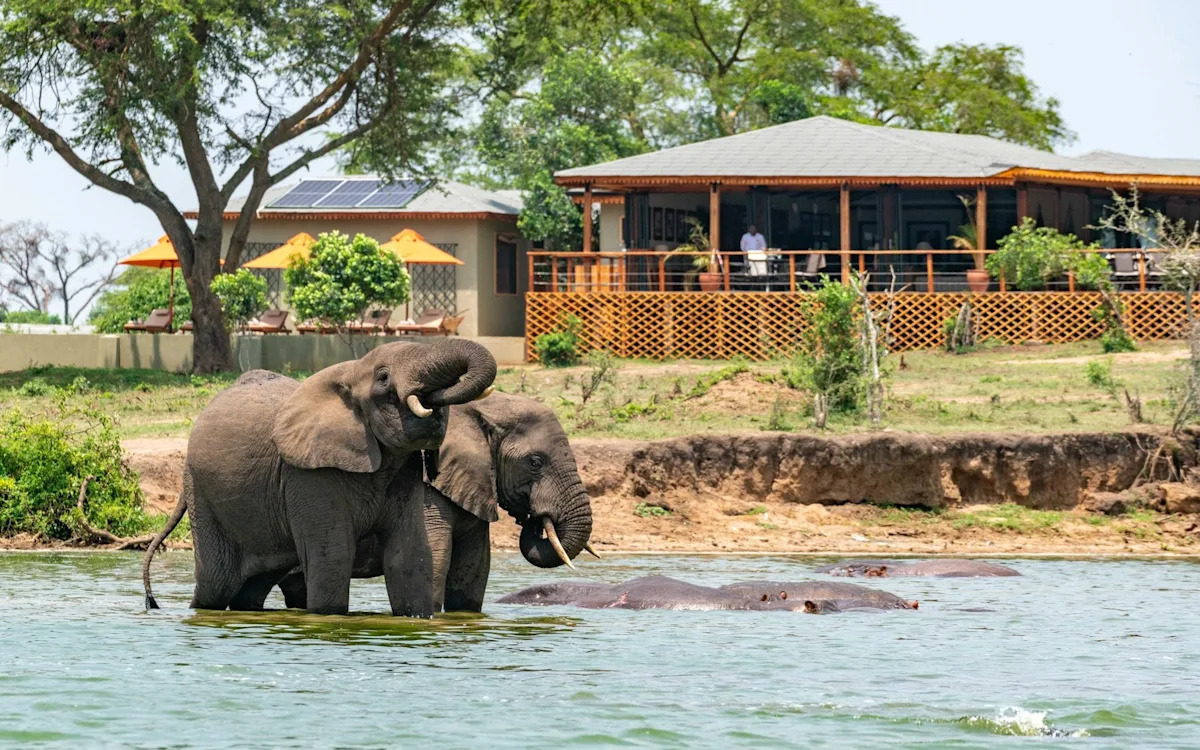
It would take a meteorite to wake most lions from their midday slumber. But in a section of the Albertine Rift Valley pockmarked by ancient craters, lions are on red-hot alert.
Unfamiliar with the splutter of safari vehicles, a lioness and her cubs watched nervously from treetops as we drove through grasslands backing onto the southern banks of Uganda’s Kazinga Channel.
Only a few kilometres from one of the country’s premier wildlife attractions, vast areas of land remain untouched by tourism. Although even the busiest sections of Queen Elizabeth National Park (QENP) have been uncharacteristically quiet for the past two years.
Following a fatal terrorist attack in October 2023, the Foreign, Commonwealth & Development Office (FCDO) advised against all but essential travel to an area which has long historical ties with Britain.
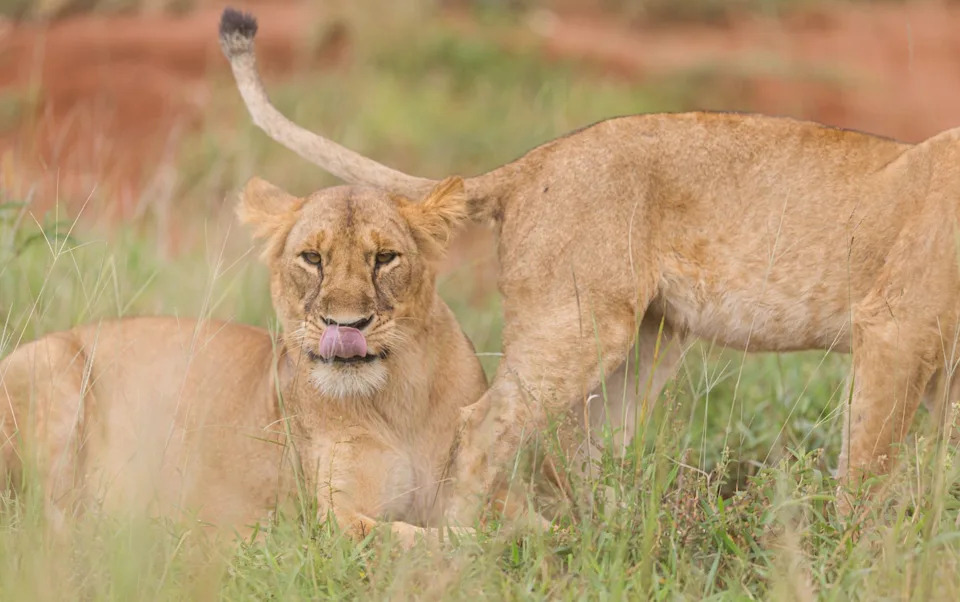
Lions in Queen Elizabeth National Park, which is once more open for tourists – Sam Churchill/Wildplaces
To commemorate an official royal visit to Uganda in 1954, the 74-year-old park was renamed after our late Queen. In 2009, it was formally twinned with Queen Elizabeth Country Park in Hampshire to foster a collaboration in wildlife conservation.
‘Uganda is ready and open again’
December’s announcement that the ban would be lifted was widely celebrated. Finally, British tourists can safely return to a safari destination nostalgically linked to our nation.
The long-awaited change in travel advice also comes as a welcome relief to hoteliers, operators and communities. Supported by a series of high-profile hotel openings, including luxury brand Asilia’s country debut Erebero Hills in Bwindi Impenetrable Forest later this year, there’s a sense Uganda is finally emerging from the shadows of its East African neighbours.
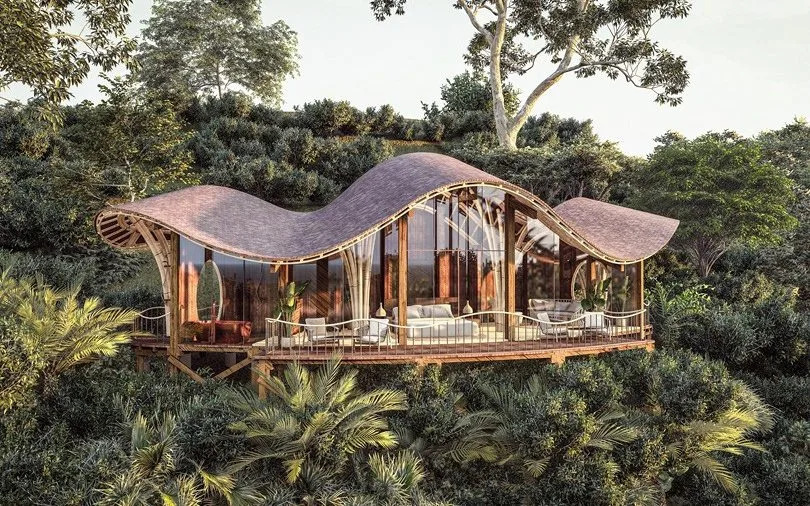
Luxury brand Asilia will open Erebero Hills, a collection of eigh luxury suites, later this year
“For us in the tourism industry, the change in advice restores trust and signals to travellers that Uganda is ready and open again,” says Amos Wekesa, CEO of local tour operator Great Lakes Safaris.
It also reopens opportunities for a popular circuit connecting chimp activities in Kibale Forest National Park and gorilla trekking in Bwindi.
But that’s far from the whole picture – QENP is much more than a stopover. Straddling the Equator, within eye-line of the snow-capped Rwenzori Mountain range and swathes of rainforest in neighbouring Democratic Republic of Congo (DRC), the park boasts remarkable biodiversity. During the 1960s and 1970s, the densest herbivore biomass on Earth was recorded here.
Big cats climb succulent candelabra trees, elephants parade through savanna grasslands, and an isolated community of chimps survives in a remote gorge.
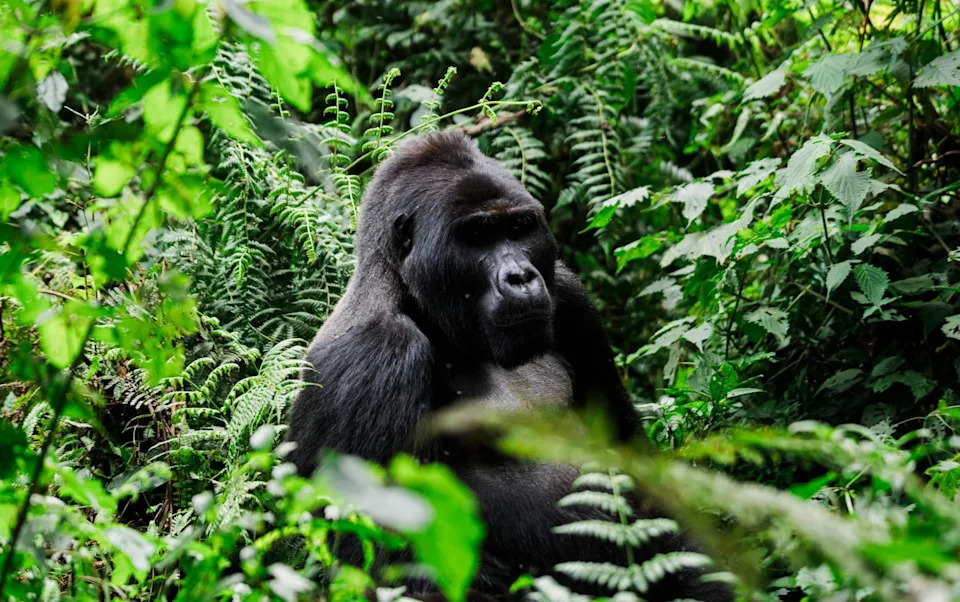
Gorilla trekking is among the many activities once more open to tourists – Sam Churchill/Wildplaces
In the past decade, I’ve made multiple visits to the park – most recently to the less-explored Kyambura Game Reserve, which forms one section of the 2,000 square km protected area. Bordered by the Kazinga Channel – a body of freshwater linking Lake Edward to Lake George – it’s one of east Africa’s most underrated wildlife destinations.
A place teeming with wildlife
Only two waterside properties sit within the Reserve, both built and managed by WildPlaces Africa, a family-owned company operating in Uganda for more than 30 years.
A collection of five canvas tents with bucket showers, Honey Bear Bush Camp is a nostalgic nod to old-school safari camps.
Neighbouring River Station, which opened in late 2024, offers a more elevated experience. All ten suites have plunge pools, while a spa overlooks a water hole regularly attracting herds of thirsty elephants.
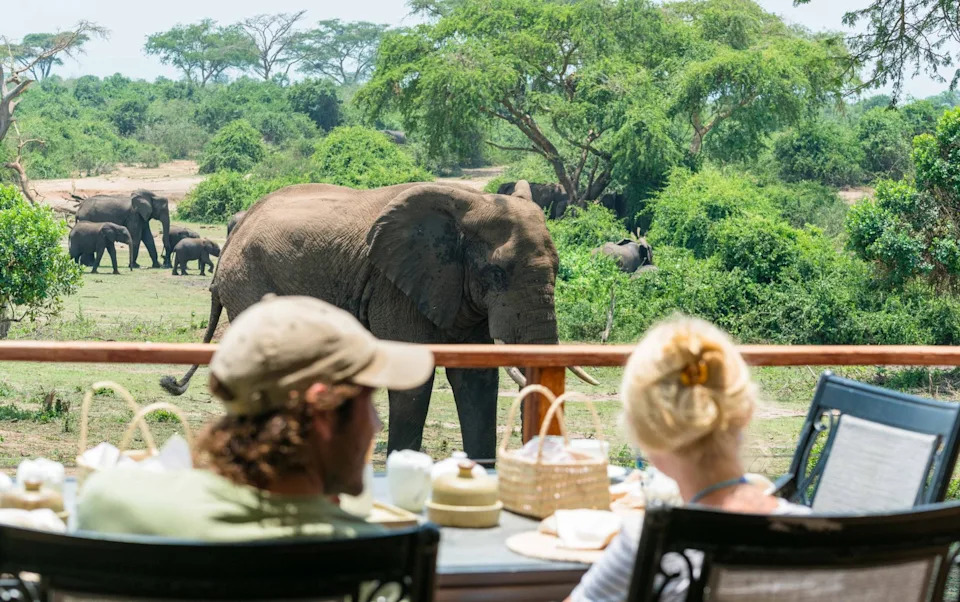
River Station offers unbeatable views of wildlife
Jonathan Wright, founder of WildPlaces, had his eye on this former hunting concession for almost two decades. “Nobody was coming here,” he told me, as we sat for sundowners on the edge of a grassy crater filled with waterbuck. Yet the place is teeming with wildlife.
Hippos bathe in the Channel, lesser flamingos migrate to the glassy lakes and pied kingfishers nest in riverbanks. On our afternoon game drive into rarely explored areas of the Reserve, we’d seen herds of buffalos emerging from dust clouds, kobs grazing in the long spear grass and young lion cubs that had likely never encountered a vehicle before.
According to Wright, who is working in partnership with the Ugandan Wildlife Authority, only a small percentage of Uganda’s parks is utilised. Demonstrating a long-term commitment to the Reserve, WildPlaces have agreed to assist with the construction of new roads and keep a watchful eye for any illegal fishing activity.
Racing through the ‘mountains of the moon’
I spotted numerous illegal traps tucked into bushes as we drifted slowly along the Channel the following afternoon.
Made from mahogany wood and purchased second-hand by WildPlaces from coastal shipbuilding town Lamu in Kenya, the Mona Lisa is the first dhow to sail along Uganda’s waterways.
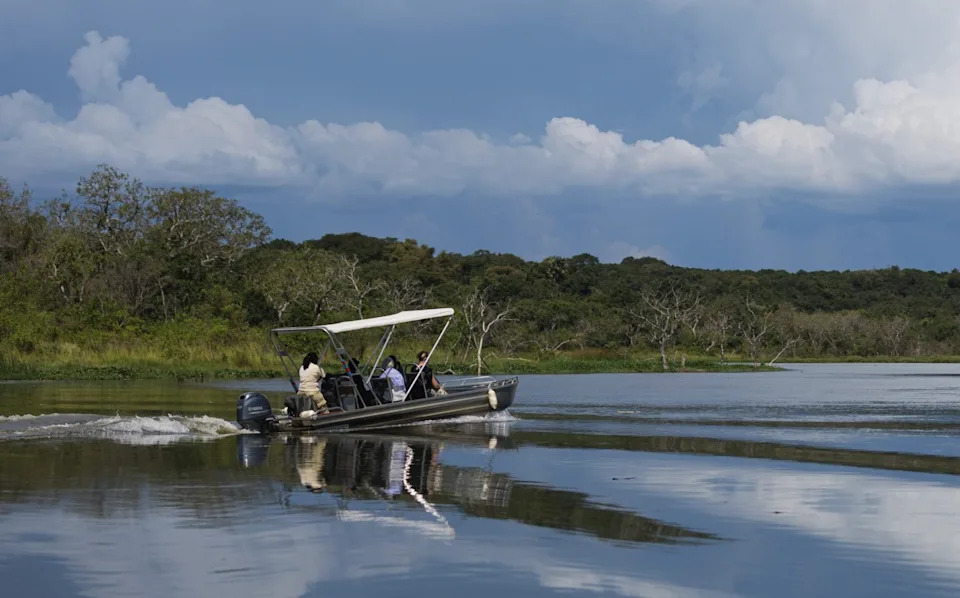
WildPlaces Uganda currently owns four luxury lodges and two luxury bush camps – Sam Churchill
Unfortunately, the air was frustratingly still during my visit. Our skipper, Richard, asked the jajas (ancestral grandmothers) for wind but they “don’t respect misungo time” and still hadn’t arrived by the time the sun was setting.
Local folklore abounds with stories of spirits and deities, especially in connection with the Rwenzori Mountains which form a serrated border along the horizon of QENP.
Two years ago, I ran a half-marathon through the forested foothills in an event organised to raise awareness of Africa’s disappearing tropical glaciers and restore pride to a region historically embroiled in ethnic clashes and conflict. A source of water for the Kazinga Channel and the Nile, the Stanley Plateau has lost almost 30 per cent of its mass since 2020 due to climate change.
Elite runners from Kenya, Uganda and Ethiopia gathered before dawn at the Equator line. Despite starting an hour later further along the course for my shorter run, the bullet-speed sprinters still managed to lap me.
Climbing 1,800 metres above sea level into the clouds, I left QENP’s gateway town Kasese behind and entered a world of misty alpine meadows and frothing rivers. Nicknamed the “mountains of the moon”, it’s a landscape dominated by storybook creatures. Giant lobelias sprout with spires shaped like a rocket fuselage and tiny three-horned chameleons shimmer in a spectrum of sci-fi shades.
Towards brighter horizons
Stretching into the DRC, the Unesco World Heritage Site has long been hanging in a fragile balance – both ecologically and politically. But there’s a sense that calm and security have returned.
While the steep inclines and lung-straining altitudes have faded from my memory, the vivid image of my final descent remains.
Running downhill on the home stretch, I watched the sun break through clouds above Kasese. Children cheered excitedly and an elderly woman sweeping her porch fist-pumped the air, shouting, “Go Mammy.”
Completing the race was a personal achievement, but crossing the finish line meant so much more to the spectators around me. After several years of conflict and confusion, plans for QENP’s future are finally back on track.
Essentials
Great Lakes Safaris offers a nine-night Uganda Safari including chimpanzee and gorilla tracking, and three nights at Honey Bear Camp, from £5,750 per person. Uganda Airlines flies direct from London Gatwick to Entebbe from £630 return.
b’
‘