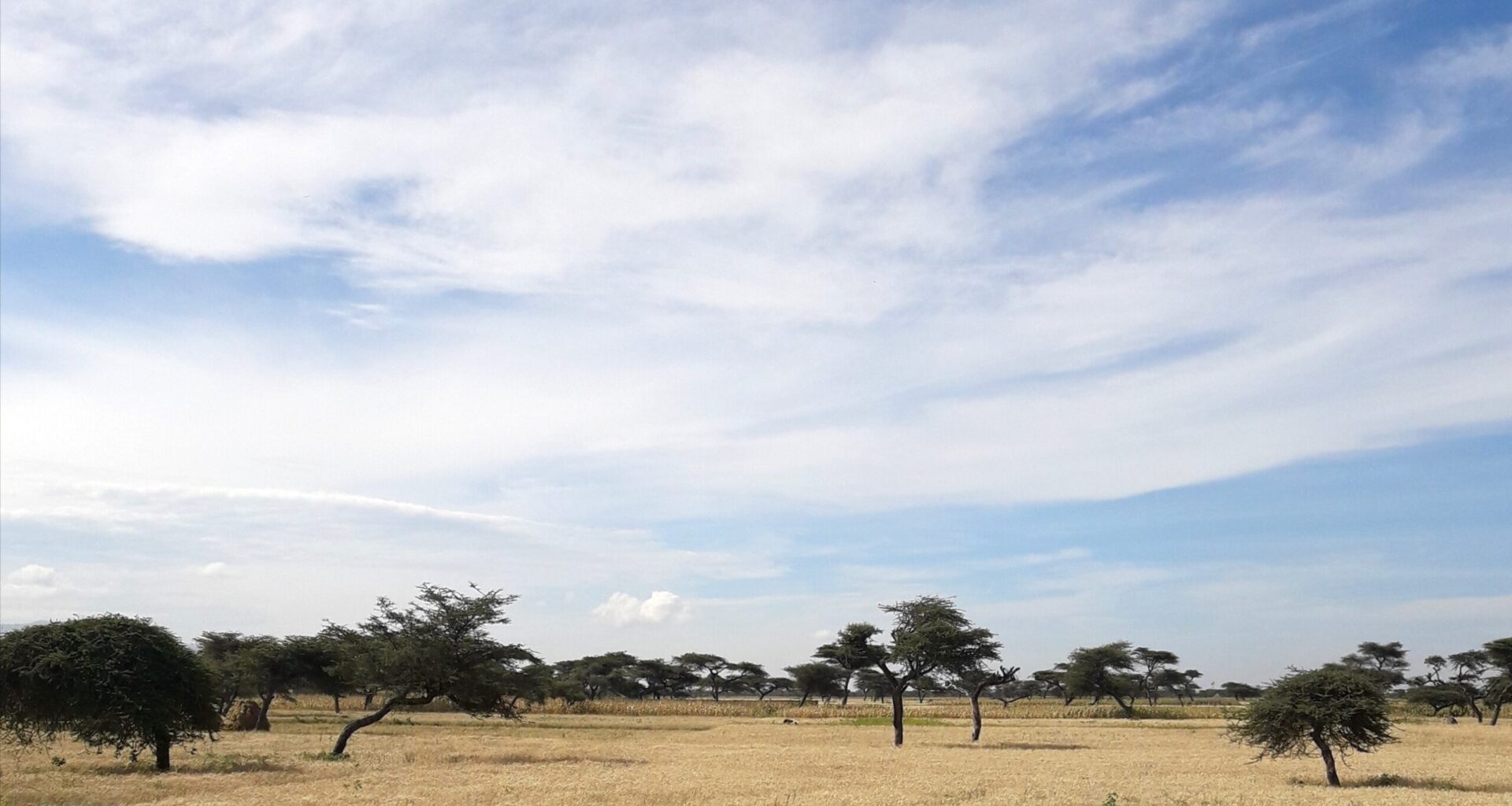
Ethiopia has officially launched its National Agroforestry Development Strategy 2026–2035, marking a transition from years of policy development to nationwide implementation. The launch was held on 29 December 2025 in Addis Ababa, bringing together government representatives, researchers and development partners involved in shaping the strategy.
The strategy is intended to provide a coordinated framework for scaling up agroforestry practices across the country. It builds on work initiated in 2019 under the leadership of the Ministry of Agriculture (MoA) and validated in February 2025, following extensive consultation with stakeholders.
Speaking at the launch, the Center for International Forestry Research and World Agroforestry (CIFOR-ICRAF) Ethiopia Country Director Niguse Hagazi said the organization had worked for several years with national partners to support the strategy’s development. He described the document as a practical guide for government institutions and development partners seeking to integrate agroforestry into planning and investment processes.
Niguse also acknowledged the Natural Resource and Development Protection and Utilization section of the MoA for its role in steering the process, as well as CIFOR-ICRAF Senior Scientist Dr Endalkachew Wolde-Meskel for his technical leadership throughout the strategy’s preparation.
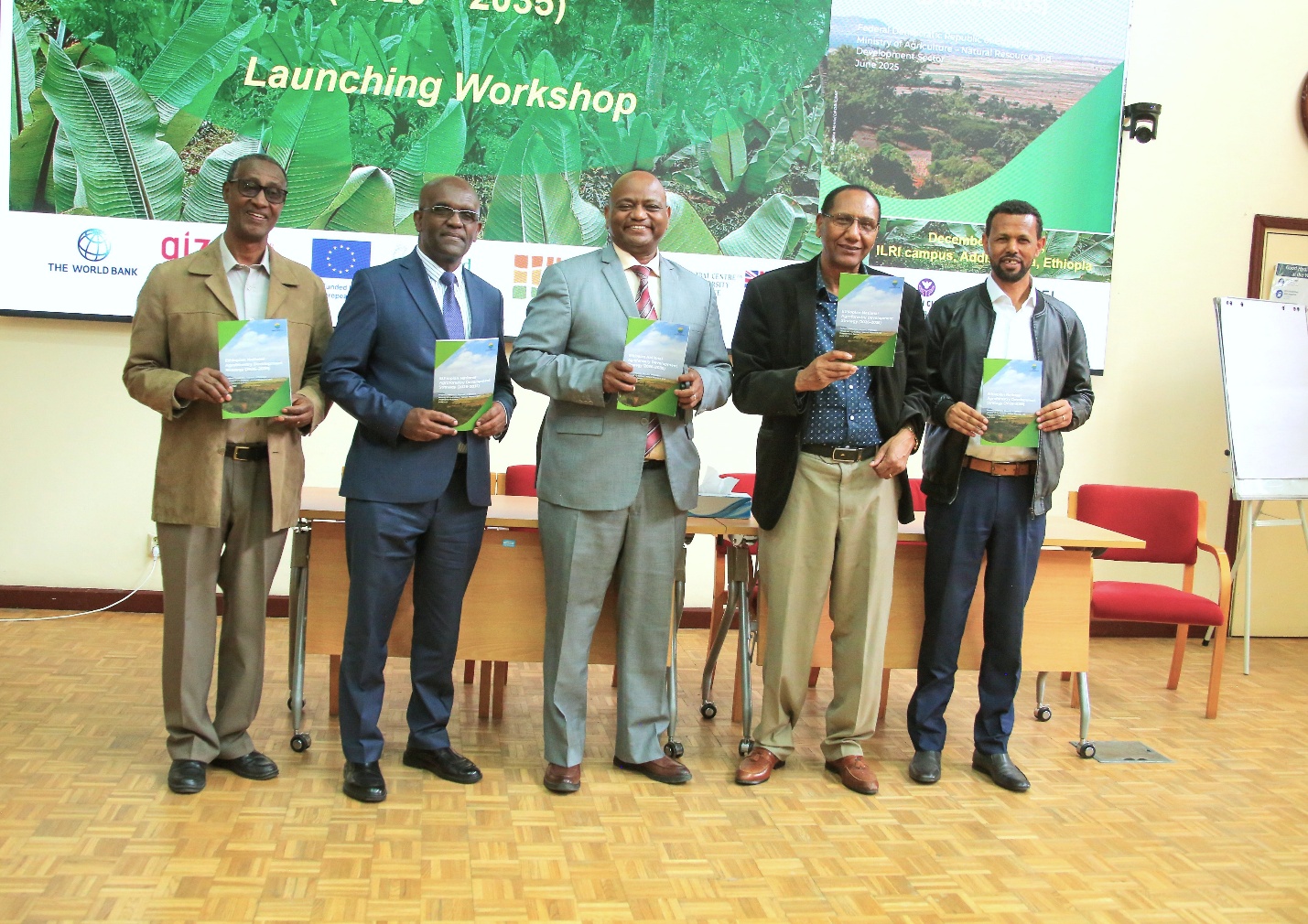 Representatives from government, research and development organizations at the launch of Ethiopia’s National Agroforestry Development Strategy 2026–2035 in Addis Ababa.
Photo by Getachew Mitiku / MoAFrom strategy to action
In his opening remark, MoA Representative Dr Chala Hordofa framed the launch as a turning point. “This workshop marks an important transition — from strategy development to implementation,” Hordofa said. “The task ahead of us is to ensure that agroforestry is mainstreamed into planning, budgeting, extension and investment systems at all levels. This will require clear leadership and effective partnerships among government, development partners, researchers, civil society, and the private sector.”
In his presentation, Endalkachew Wolde Meskel, who played a key role in the preparation of the strategy, showed images illustrating traditional agroforestry practices from different parts of the country. He emphasized that “agroforestry is deeply rooted in Ethiopia’s traditional farming systems and has long contributed to food security, livelihoods, and sustainable natural resource management.”
He went on to caution that these long-standing practices alone will not be sufficient to address mounting pressures. “However, the challenges we face today — land degradation, climate change, population pressure, and increasing demand for food, energy, and ecosystem services — require us to move beyond fragmented interventions and adopt a more coordinated, systematic, and scalable approach,” Endalkachew said, adding that this can be realized through an agroforestry strategy aligned with the country’s other policies and development strategies.
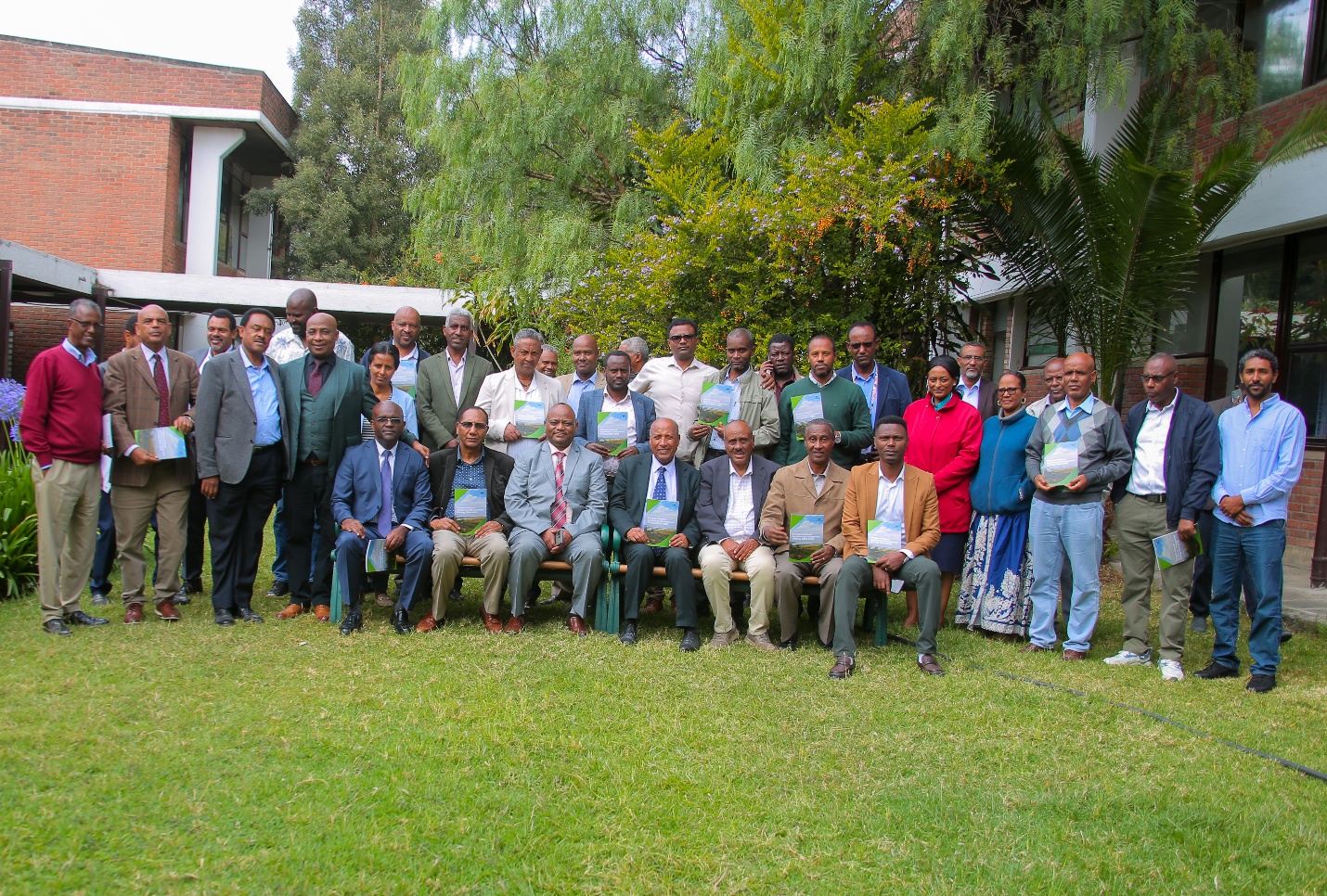 Participants at the national launch workshop of Ethiopia’s Agroforestry Development Strategy, held in Addis Ababa in December 2025. Photo by Eyob Getahun / CIFOR-ICRAFPlatforms for scaling up
The discussion also focused on institutional mechanisms for implementation. Shanko Teso, an expert and watershed unit head at the MoA, emphasized the role of the National Watershed and Agroforestry Multistakeholder Platform, launched in 2019, as a vehicle for implementing and scaling agroforestry practices. The platform has been cascaded from the federal level down to kebele (the lowest government administration), creating a structure for coordination across governance levels.
Shanko mentioned CIFOR-ICRAF’s “Engaging Rural Youth in Tree-based Value Chain and Functionalizing the Watershed and Agroforestry Multistakeholder Platform” project as an exemplary project that scaled up agroforestry practice in southwest Ethiopia, in Illubabor and Buno Bedele Zones of Oromia Region.
Closing the workshop, Melese Mana, a member of the House of Peoples’ Representatives (the Ethiopian parliament) Agriculture Standing Committee, reflected on the requirements for effective implementation. “The key messages emerging from this workshop are clear,” Melese said. “First, successful implementation of the Ethiopian National Agroforestry Development Strategy will depend on strong institutional coordination and clear leadership at federal and regional levels. Second, agroforestry must be fully integrated into existing planning, budgeting, extension, and monitoring systems rather than treated as a standalone intervention. Third, sustainable financing — through public resources, climate finance, and partnerships with development partners and the private sector — is essential to achieve scale and long-term impact.”
The National Agroforestry Development Strategy positions agroforestry as a core component of Ethiopia’s broader national development priorities, including sustainable land management, climate-resilient green economy and inclusive rural development. It places particular emphasis on institutional clarity, cross-sectoral coordination, sustainable financing and evaluation.
AcknowledgementsThe development of the Ethiopian National Agroforestry Development Strategy was led by the Ethiopian Ministry of Agriculture and supported by the World Bank and GIZ, with substantial contributions from CIFOR-ICRAF through projects funded by Irish Aid, the European Union, the Packard Foundation, UK DEFRA-GCBC, Norway’s International Climate and Forest Initiative (NICFI) and Norwegian Church Aid.