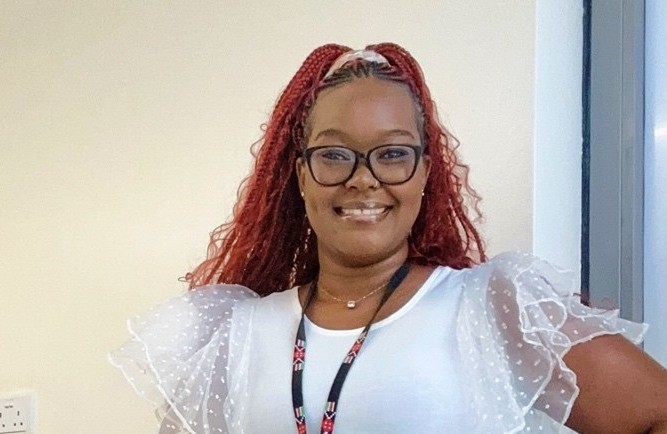
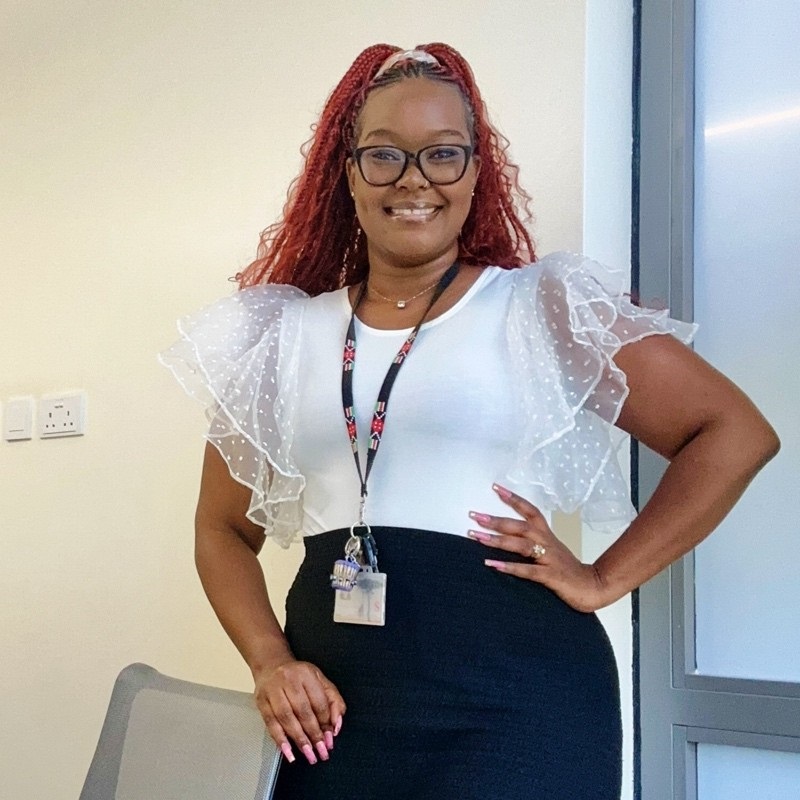
Maureen Anzaye
Kenya’s creative economy is brimming with potential. It is growing
faster than conventional industries and recent studies indicate that Kenya’s
creative economy has the potential to double its contribution to GDP from the
current 5% to upwards of 10%. From theatre shows and fashion, architectural
design to digital narratives, the nation is brimming with talent and culture
driven by energetic young people.
However, this rich source of human resources in creativity has, in
many cases, not been utilised fully due to lack of funding and poor
infrastructure. Conventional financing models do not take into account the
peculiarities of the creative industry and as a result, many talented people do
not have the resources to grow their businesses.
There is a quiet revolution occurring, though. One that will not be
driven by big investments or legislation, but by little grants that are
accomplishing large change. These grants are becoming a vital tool for enabling
cross-cultural exchange, innovation, and sustainable creative enterprises.
The small grants, which usually range between £5,000 – £50,000, may
not seem to be much in comparison to large-scale funding projects but they have
tremendous effects, especially for creative practices in emerging economies
such as Kenya.
By lowering barriers to entry, small grants are the essential
pre-starter capital that gets grassroots organisations off their feet. This is
especially crucial for Kenyan artists and groups which are considered high risk
groups by traditional financiers such as banks and private investors.
Culture Responds to Global Challenges is one of four pillars of the
British Council’s work in the Arts.
Programmes under this pillar focus on the transformative power of arts and
culture. It supports artistic and cultural expression recognising its potential
to challenge and change mindsets for a more inclusive and sustainable future.
We do this by supporting artists and creative organisations to respond to
social and environmental issues through arts, culture, and heritage.
Braid Fund, which directly sits under the Culture Responds pillar,
was implemented due to a noticeable gap that we saw in the heritage sector,
where small grants were quickly being phased off by limited opportunities for
early career practitioners in Kenya and East Africa in general.
For instance, the British Council Catalyst Grant programme recently
provided £5,000 in funding to the Kenya International Theatre Festival. This
investment, which is part of the UK/Kenya Season 2025 programme, facilitated
the development of innovative theatre productions between Kenya and UK based
artists. Successful implementation of the initial phase of the project enabled
subsequent provision of a £10,000 grant to continue the festival’s
collaboration with the Jermyn Street Theatre of London.
Small grants also provide room for experimentation. While major
funding organisations may require demonstration of past success before
investing, small grants enable creatives to test ideas, innovate, improve, and
create ground-breaking work.
In 2024, the British Council’s Catalyst Grant programme enabled 19
projects by UK and Kenya based creatives across a range of disciplines
including sustainable fashion, digital storytelling, and trans-national music
genres. This funding allowed the creators to test their ideas and gather steam
at their initial stage of development.
Additionally, minor grants are keen on enhancing cross-border
partnerships. As part of the UK/Kenya Season 2025 festival of cultural
exchange, these grants are guiding the passage between artists from the two
countries and facilitating long-term partnerships between the beneficiary
individuals, organisations, and institutions. These partnerships not only
consolidate artistic networks but also set an example of how British and Kenyan
creatives could work together in the future.
Small grants produce sustainable value beyond immediate
implementation of a project by building capacity, economic development and
advancing cultural diplomacy. In the process, artists acquire project
management, fundraising and international cooperation skills with successful
projects creating jobs and gaining access to additional investment. Such
UK-Kenya collaborations also deepen understanding between the two nations and
open up new markets thus demonstrating the functionality of culture in international
relations.
The British Council’s Braid Arts & Culture
Fund further
cascades these efforts across the East Africa region. Developed through a
collaboration between the Trust for Indigenous Culture & Health (TICAH) and
the British Council’s Cultural Heritage for Inclusive Growth programme, the
fund strategically bridges traditional heritage with contemporary innovation.
The initiative’s impact extends across Kenya, Uganda, and Tanzania,
with 23 projects supported in its inaugural cohort. The Fund creates crucial
opportunities for individual artists, cultural practitioners and organisations
who often face limited access to financing. By partnering with TICAH, the
programme ensures culturally sensitive and community-rooted approaches to
creative development.
Notable outcomes of this initiative include the democratisation of
access to funding, preservation of indigenous cultural practices while
encouraging modern artistic expression and building sustainable creative
economies. The fund strengthens regional cultural networks, enabling knowledge
exchange between practitioners across borders. This initiative also addresses
the critical funding gap in East Africa’s cultural sector, empowering creatives
to develop innovative projects that celebrate heritage while addressing
contemporary social challenges, ultimately contributing to the region’s
cultural vitality and economic growth.
The creative economy is not waiting for transformation, it is
already happening, one small grant at a time. The task now is to scale these
models, replicate the successes and create a more enabling environment for
artists, curators, storytellers, and cultural entrepreneurs across the country.
In doing so, we not only unlock economic potential but also elevate artists’
voices on the global cultural stage.
Small grants. Big change. That is the story of Kenya’s creative
resurgence.
The Author is the Programme Manager, Cultural Heritage for Inclusive Growth
at the British Council, Kenya.