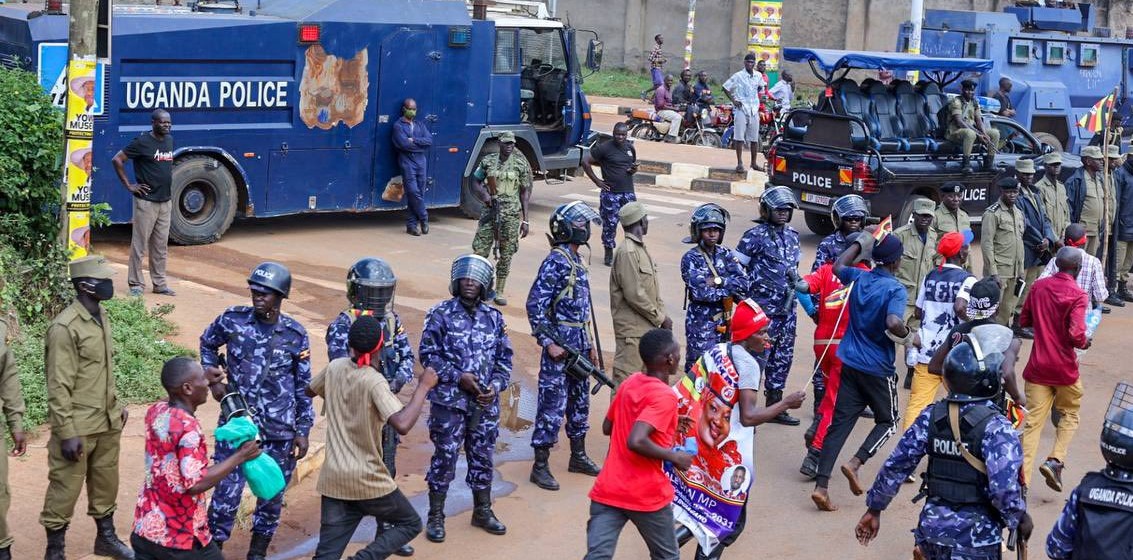
With Uganda set to head to the polls in two weeks, a recent economic report by the World Bank points to a cautiously optimistic economic growth trajectory.
Experts argue that the country’s near-term economic performance is likely to be influenced significantly by the outcome of the elections.
The cautious optimism is largely on the back of the long-standing governance and institutional weaknesses that threaten the durability of the gains.
Scheduled for January 15, the election comes at a critical juncture, with experts warning that without reforms, the country risks undermining the sustainability and inclusiveness of its economic progress.
World Bank notes that Uganda’s real gross domestic product (GDP) growth rose to 6.3 per cent in FY2024/2025, up from 6.1 per cent the previous year.
It attributes the expansion to a recovery in household consumption, faster government spending and continued investment growth.
Dynamic domestic demand, alongside strong performance in agriculture and tourism, supported broad-based growth across agriculture, industry and services.
As a result, poverty is projected to have declined in FY2024/2025.
However, the World Bank cautions that fiscal pressures have intensified, with a widening deficit and rising debt-servicing costs highlighting the need to return to fiscal consolidation.
The lender projects a positive medium-term outlook, with fiscal and external deficits expected to improve gradually after the elections, supported by moderating spending growth, continued export dynamism and sustained foreign direct investment inflows.
It adds that inflation is expected to remain low, anchored by prudent monetary policy and stable commodity prices, while poverty is projected to decline further in 2026 and 2027.
Still, the outlook faces risks from potential fiscal slippages, delays in oil sector development, declining overseas development assistance and heightened global uncertainty that could affect commodity prices and financial conditions.
Climate-related risks also remain significant.
The report warns that increased frequency of floods, droughts and pest outbreaks, coupled with lower-than-expected rainfall, could reverse poverty gains, particularly as most of Uganda’s poor depend on rain-fed agriculture and have limited buffers against shocks.
At the centre of Uganda’s long-term transformation agenda is agro-industrialisation, which the World Bank identifies as a critical but underperforming pillar.
“Despite strong potential, Uganda’s agro-industrialisation efforts continue to lag behind regional peers due to persistent structural challenges,” the report reads.
It cites weak primary production, governance gaps, limited access to finance and infrastructure, and high vulnerability to climate shocks.
To address these constraints, the World Bank recommends strengthening agricultural foundations and infrastructure, improving the policy and institutional environment, and mobilising private capital and market linkages.
As voters head to the ballot, the next administration will face mounting pressure to translate strong headline growth into resilient, inclusive development by tackling governance weaknesses that reportedly continue to hold the economy back.