
Your support helps us to tell the story
From reproductive rights to climate change to Big Tech, The Independent is on the ground when the story is developing. Whether it’s investigating the financials of Elon Musk’s pro-Trump PAC or producing our latest documentary, ‘The A Word’, which shines a light on the American women fighting for reproductive rights, we know how important it is to parse out the facts from the messaging.
At such a critical moment in US history, we need reporters on the ground. Your donation allows us to keep sending journalists to speak to both sides of the story.
The Independent is trusted by Americans across the entire political spectrum. And unlike many other quality news outlets, we choose not to lock Americans out of our reporting and analysis with paywalls. We believe quality journalism should be available to everyone, paid for by those who can afford it.
Your support makes all the difference.Read more
Billionaire Elon Musk’s artificial intelligence company is suing the state of Minnesota over a first-of-its-kind law banning technology that allows users to create fake photos or videos of people naked without their consent.
The bill, known as HF 1606, was signed into law by Gov. Tim Walz earlier this year and is set to go into effect Saturday. It bans “nudification,” or the use of artificial intelligence to digitally alter or generate photos or videos to make real people look like they are naked or engaging in sexual acts without their consent.
The law will allow people portrayed in deepfake images to bring a civil lawsuit and seek damages. Companies that violate the law could face a $500,000 penalty for each unlawful use, with few exceptions.
In a lawsuit filed Monday in the U.S. District Court in Minnesota, Musk’s x.AI LLC, which developed the Grok chatbot, argues that the law is too broad and infringes on free speech.
While xAI “does not contest Minnesota’s interest in prohibiting the dissemination of artificially generated nude images of real people without their consent,” it argues the law “extends far beyond that goal, exposing a wide array of protected speech to civil liability and government sanctions,” according to the civil complaint.
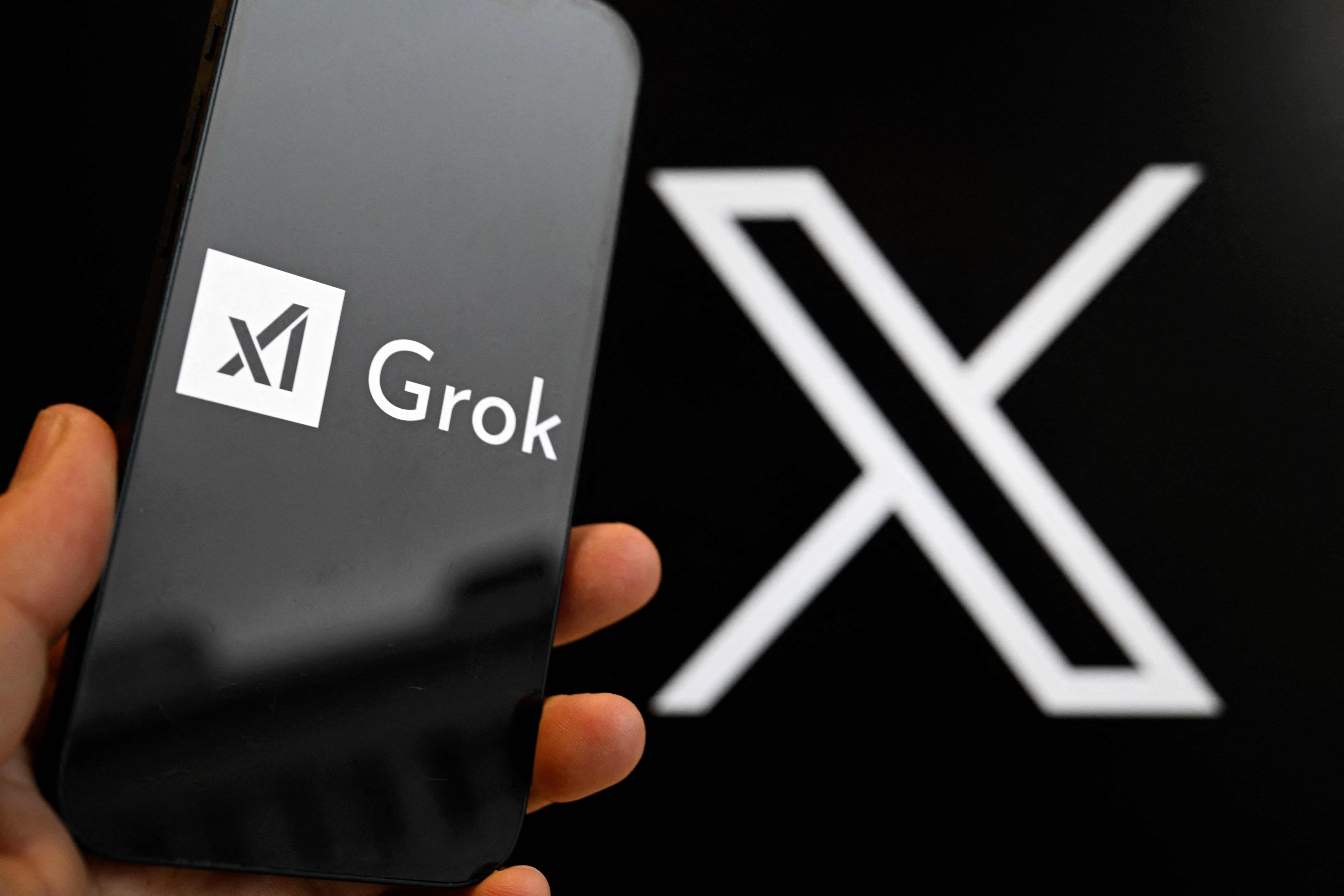 Elon Musk’s x.AI is suing Minnesota over a new law that would prohibit technology that allows users to create ‘deepfakes’ or fake images or videos of people naked or engaging in sexual acts without their consent (AFP/Getty)
Musk’s company said it already prohibits users from creating nude deepfakes without the consent of the person whose likeness is being featured. It noted the company previously “filed suit against users who evade its extensive technological blockers to generate such images.”
However, attorneys for the company say the new law would stifle Grok users’ First Amendment rights. The complaint said that should the law take effect this week, x.AI would limit service for users in the state.
“Satirical images restored or animated family photographs, and creative projects that Minnesota users could have made by editing images with Grok Image will be affected — not because x.AI’s policies permit misuse (they forbid it), but because HF 1606 leaves x.AI no choice,” the company wrote in the complaint.
The lawsuit also claims that the law’s definition of “intimate part” is too broad and would ban depictions of men without shirts, people in swimsuits and other body parts “routinely displayed in public” going “far beyond what an ordinary person would consider ‘nudification,’” the complaint claims.
Minnesota Attorney General Keith Ellison, who is named as a defendant in the lawsuit, wrote in a statement on X that he was prepared to defend the law.
 Musk’s company is asking the court to declare the law, which would go into effect on Saturday, unconstitutional (Reuters)
“Using AI to generate nude images of people against their will is appalling. There are plenty of worthy debates to have about AI. This is not one of them. AI nudification robs the target of their dignity and could cause them immense harm on many levels,” Ellison wrote. “I’ll see X in court.”
Walz, the state’s governor, added, “See you in court, creep.”
Musk’s AI company is asking the court to declare the law unconstitutional and issue an order that would prevent the state from enacting it.
In December, the Trump administration said it would block states from creating their own artificial intelligence regulations. The administration announced a “comprehensive national legislative framework” for regulating the technology earlier this year.