I use artificial intelligence nearly every day. It helps me research complex topics, organize my thoughts, challenge my assumptions and even become a better writer. Like millions of others, I am amazed by what it can accomplish in just a matter of seconds.
But the more I use AI, the more convinced I become of one thing: technology will never replace trust. Artificial intelligence can provide information. It can summarize medical conditions, compare providers, generate checklists and help families better understand treatment options. Those are extraordinary advancements, and we should embrace them.
What AI cannot do is tell you who will show up when your family is in crisis, who will treat your loved one with dignity and compassion or who will keep their word when no one is watching. That distinction has never been more important.
We increasingly rely on technology to make decisions. We order groceries without speaking to another person, schedule appointments online and trust algorithms to recommend everything from restaurants to healthcare providers.
Convenience has become one of our greatest expectations. But when the decision involves someone you love, convenience should never replace discernment.
For more than three decades, I have had the privilege of working alongside older adults and their families. I have watched sons and daughters suddenly become caregivers after a fall, a stroke or a dementia diagnosis. I have sat with families overwhelmed by hospital discharges, uncertain where to turn or who to trust. In those moments, people are not simply looking for a service.
They are searching for someone who will care for their loved one with compassion, dignity and integrity.
Artificial intelligence cannot tell you whether a caregiver genuinely loves serving older adults. It cannot tell you whether an organization lives its values when no one is watching. It cannot tell you whether a care manager will answer the phone at 10 p.m. because a frightened family member simply needs reassurance. It cannot determine whether someone will treat your mother or father the way they would treat their own.
Only people can demonstrate that. The aging services profession has always been, at its core, a relationship business. Whether it is home care, hospice, assisted living, skilled nursing, rehabilitation or geriatric care management, the work is not simply about delivering services. It is about earning confidence during one of the most vulnerable chapters in a family’s life.
Trust is not built by technology. It is built one conversation, one promise and one act of compassion at a time.
As artificial intelligence continues to reshape healthcare and aging services, I believe consumers have an even greater responsibility to do their homework, ask thoughtful questions and seek recommendations from people they trust.
Talk to physicians, discharge planners, neighbors, clergy, friends and others who have walked this path before you. One trusted recommendation from someone whose judgment you respect is often worth far more than a hundred anonymous online reviews.
If you are choosing an organization to care for an aging parent, do not just evaluate the company. Evaluate the leadership. Ask about employee retention.
Ask how caregivers are trained and supported. Ask what happens when something goes wrong, not just when everything goes right.
The answers to those questions reveal far more than a polished website ever could. I have often said that technology makes things possible, but people make things happen. I believe that more today than ever before.
The future of aging services will absolutely include artificial intelligence. It will help us identify health risks earlier, reduce administrative burdens, improve communication and personalize care in ways we once thought impossible.
Those innovations will improve lives, and we should celebrate them.
But we must never confuse intelligence with wisdom. Or efficiency with empathy. Or information with trust. Artificial intelligence should help us ask better questions. It should never replace the conversations that build confidence.
So, embrace this remarkable technology. Learn from it. Let it make you a more informed consumer and a better advocate. But when the decision involves someone you love, do what no machine can ever do. Look someone in the eye.
Shake their hand. Listen carefully. Ask the hard questions. Build relationships.
Because in a world where intelligence is becoming increasingly artificial, trust remains beautifully, profoundly and unmistakably human. JN
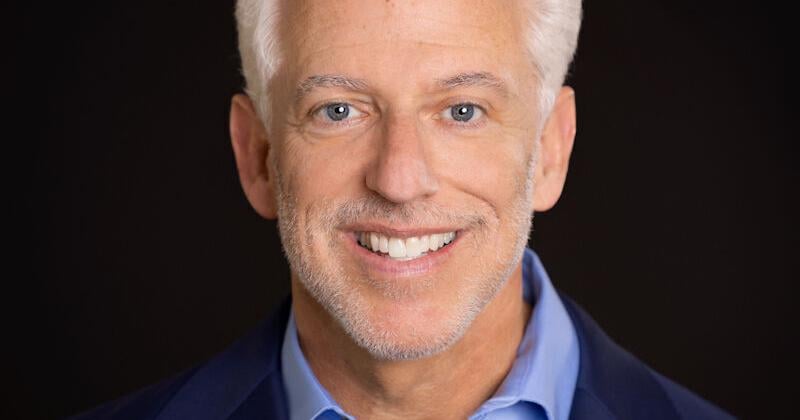
Bob Roth is the managing partner of Cypress HomeCare Solutions.