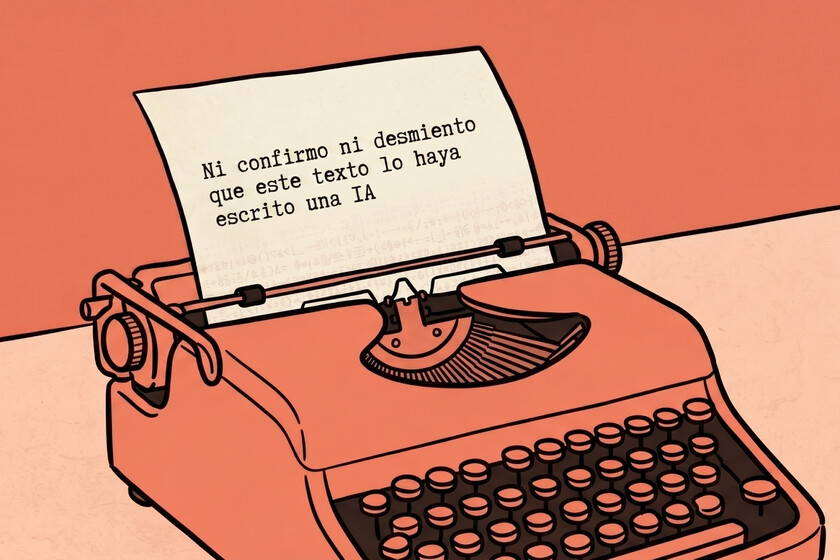
Claude watermarks begin Aug. 2
Anthropic wrote that “Models launched in the EU on or after Aug. 2, 2026 will support watermarking at launch,” and that generated text will have embedded watermarks while generated files will include “digitally signed provenance metadata where supported.”

The company said the watermarking will not be limited to Europe, stating the watermarks will appear wherever Claude is offered, worldwide, even as it warned that some platforms or features may not support certain watermarking types.
For text files, Anthropic said the watermark will be “part of the text” and it will “travel with the text when it’s copied and pasted elsewhere,” while for images and other files it will use the Coalition for Content Provenance and Authenticity (C2PA) open standard.
Anthropic also said it is working to add watermarking support to existing Claude models launched before Aug. 2, 2026, while warning that watermarking won’t be foolproof.
Model-level, copy-paste persistence
TechCrunch’s framing, as quoted in WeRSM, emphasizes that Anthropic is making the signal part of the model output itself, with Anthropic saying the watermark is embedded in the generated language and is designed for portability.
WeRSM reports Anthropic’s claim that “the watermark will travel when users copy and paste the text elsewhere,” and it adds that it “may persist through some editing.”

PCWorld similarly says Anthropic will “weaves an imperceptible watermark into the text itself,” and that the mark will remain present after the text is copied and pasted or even after “some” editing.
Anthropic also said it will attach provenance metadata to certain files it creates, including SVG, PNG, and JPG, and it plans to release tools so anyone can detect the watermarks, with details slated to arrive in “forthcoming” announcements.
PCWorld notes Anthropic’s caveat that the presence of a Claude watermark doesn’t necessarily mean the content was originally created by Claude, because human-written text later edited by Claude would also get a watermark.
Limits, detection tools, and compliance
The Verge reports Anthropic’s support-page language that “Because the watermark is part of the text, it will travel with the text when it’s copied and pasted elsewhere, and may persist through some editing,” and it adds that “Watermarking will be applied at the model level.”
Euronews describes the two techniques Anthropic uses, including an imperceptible pattern “weaved in as an imperceptible watermark directly into the text itself” and signed provenance metadata for supported files such as “.svg, .png, or .jpg.”
Euronews also ties the timing to the EU AI Act, stating that “The transparency obligations under Article 50 took effect on 2 August 2026,” and it reports that non-compliance can trigger fines of up to €15 million or 3% of total global annual turnover, whichever is higher.
Across the coverage, Anthropic’s position is that detected marks are a signal rather than proof, and the Verge notes Anthropic is “working to enable users and other third parties to detect watermarks and provenance metadata” with details promised in upcoming technical documentation.