This idea has been on my mind as we approach Elul, the Hebrew month leading up to Rosh Hashanah and Yom Kippur. It is traditionally a time for introspection and teshuvah, commonly translated as repentance but more literally meaning “return.”
Judaism certainly doesn’t advocate deleting our history. Teshuvah requires taking an honest look at the past. We are expected to recognize our mistakes, take responsibility for them, apologize when necessary, and resolve to do better. But then comes something equally important: We are allowed to become someone new.
The great Jewish sage Maimonides describes the person who has sincerely repented as one who is so changed that he can say, “I am a different person and not the same one who sinned.”
People can change in ways both large and small. The shy child may grow into a confident adult. Someone who once had little interest in religion may later discover a deep spiritual connection. The career that once seemed perfect may no longer be what someone wants from life.
We sometimes deny people the ability to change simply because we think we already know them. And we can do the same thing to ourselves.
During Elul we look back at what we have done, while recognizing that it doesn’t have to determine what we will do next. Teshuvah requires confronting the past honestly, but it also insists that the past does not get the final word.
Artificial intelligence is getting better at updating its memory of us. Perhaps this Elul, we can become better at updating our memories of one another and leaving room for the possibility that the person we remember is no longer the person standing before us.
Follow these steps to easily submit a letter to the editor or guest opinion to the Arizona Daily Star.
Arizona Daily Star
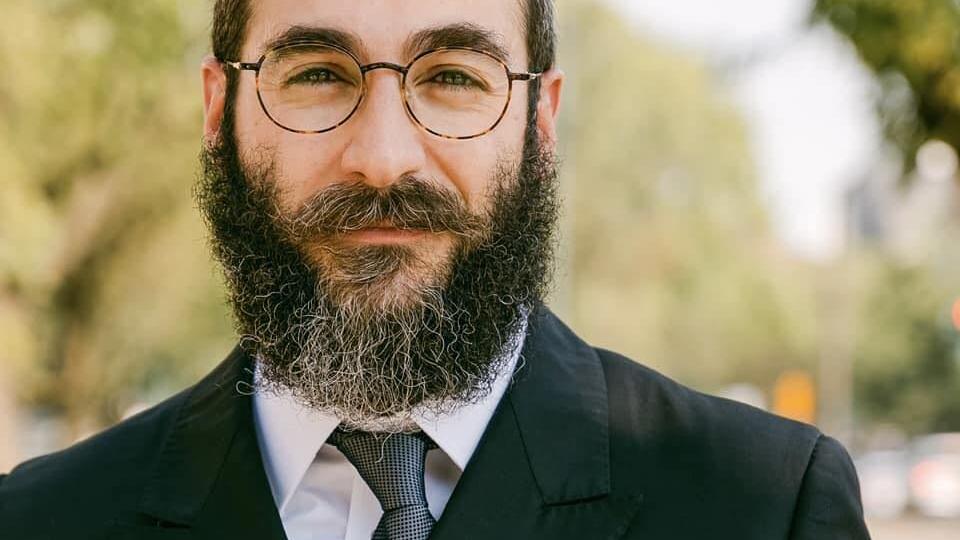
Rabbi Yehuda Ceitlin is the Outreach Director of Chabad Tucson, the Jewish network of Southern Arizona
Catch the latest in Opinion
Get opinion pieces, letters and editorials sent directly to your inbox weekly!