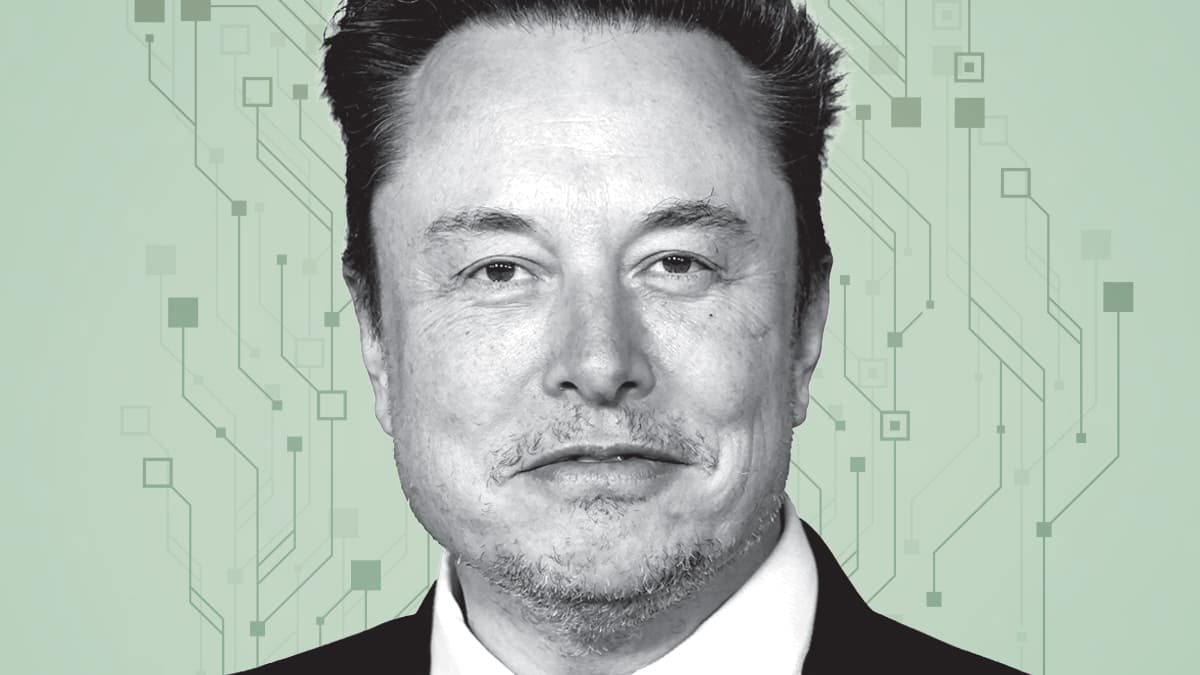
Elon Musk has been taking big swings this year. After merging his artificial intelligence lab xAI with his rocket company SpaceX, Musk took the combined business public in June, in the largest IPO in history, with a record $1.7 trillion valuation.
SpaceX then announced plans to acquire the popular AI coding startup Cursor for $60 billion, in a deal that would hand the company key firepower in perhaps the most strategically vital AI capability of them all.
In August, Musk’s AI lab, now a subsidiary called SpaceXAI, released its top model, Grok 4.6, with a focus on long-running agents and “more ambitious interactive and visual work” at a competitive price. In January, it brought in stronger safeguards two weeks after it emerged that Grok was being used to create nonconsensual sexual images of women and children. In the most recent AI safety rankings published by the Future of Life Institute, a nonprofit that researches and advocates against large-scale risks from technology, xAI’s rank dropped to seventh of nine model makers, none of whom scored above C+. (SpaceX did not respond to a request for comment for this article.)
Musk has long been deeply interested in the future of AI. He was an early investor in DeepMind and a co-founder and donor to OpenAI due to his concerns about the technology’s existential risks, he said at the time. Ultimately, his relationship with his OpenAI co-founders soured and in May his long-running lawsuit against the AI lab was dismissed. Today, his view is less clear. “Will this be bad or good for humanity? I think it’ll be good. Most likely it’ll be good,” Musk said of AI at a launch event for a Grok model last year. “But I’ve somewhat reconciled myself to the fact that even if it wasn’t gonna be good, I’d at least like to be alive to see it happen.”
Disclosure: Investors in SpaceX include TIME co-chair and owner Marc Benioff.