
Artificial intelligence cameras will be installed at two of Brisbane’s busiest public pools, as an extra set of eyes to watch over swimmers and help lifeguards prevent drownings.
The technology by Lynxight will be installed at the Runcorn Aquatic Centre and Yeronga Memorial Pool in coming months for a 12-month trial, at a cost to ratepayers yet to be revealed.
If successful in improving safety and saving lives, the cameras could then be rolled out to all Brisbane City Council-owned pools.
The trial will involve overhead pool cameras and artificial intelligence monitoring swimmers and identifying signs someone may be in distress.
If a potential problem is detected, lifeguards receive an immediate alert to a dedicated smartwatch to know where to respond if needed.
The trial will look at how effectively the technology identifies swimmers in distress, supports faster responses and whether it could help improve safety.
The two locations were chosen after Yeronga clocked 59,369 visits as Brisbane’s fourth most popular pool, while Runcorn welcomed 37,083 swimmers during the popular $2 Summer Dips campaign.
Council said Lynxight was already being used at more than 1000 pools around Australia and the world and is part of a national partnership with Royal Life Saving Australia.
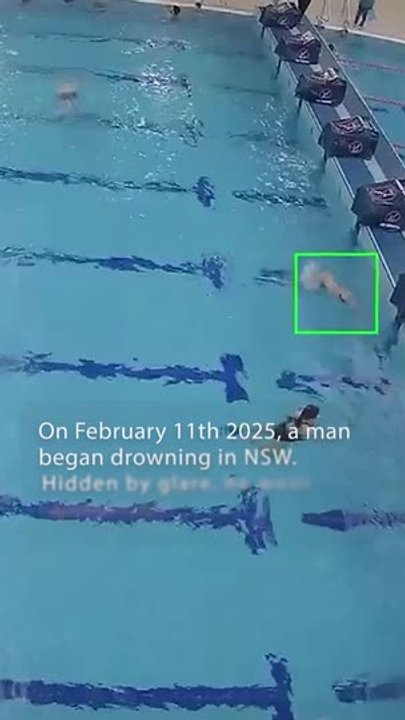
A demonstration video by Lynxight showed how a man submerged at Oran Park Leisure Centre in New South Wales in February last year was hidden by the glare of the pool lights.
But his distress was detected by the cameras who alerted lifeguards and saved his life.
Logan City Council has been using the company’s AI-powered drowning prevention system at the Gould Adams Park Aquatic Centre in Kingston since 2024.
Townsville City Council also spent $230,000 to start using the same system at the Riverway Lagoons from July 1 this year.
The Courier-Mail understands the Brisbane cameras will not be live monitored by humans.
Instead, AI will only trigger alerts if an incident is detected, with footage stored on a local server, controlled by the pool operator, to be deleted automatically within seven days.
While yet to reveal the cost of the trial, Lord Mayor Adrian Schrinner said if the technology saved just one life it would be money well spent.
“Lifeguards do an incredible job keeping thousands of swimmers safe at our 22 pools and this technology will give them an extra set of eyes,” he said.
“When someone is in trouble in the water, every second counts and an earlier alert could make all the difference.”
Royal Life Saving Australia chief operating officer RJ Houston said the AI-powered drowning detection technology could not pull someone from the water, but it could help cover gaps in supervision to support lifeguards.
“Pool lifeguards proactively identify and manage risk,” he said.
“They help prevent drownings and safety incidents before they occur through vigilant supervision, education of pool users and enforcement of pool rules.
“They are also there to rescue someone when things go wrong — but they cannot be everywhere or see everything at once.”