9:30PMAugust 11, 2026.
Updated 7 hours ago
ASIO is set to get powers to secretly probe university collaborations with hostile and authoritarian nations after the Education Department rebuked 26 universities over risky research.
Universities will be forced to report all dealings with any institution in China, Iran, Russia, Belarus, Brunei, Vietnam or Laos, under changes to the Foreign Relations Act before parliament.
Every education and research institution in those countries will be deemed to “lack institutional autonomy from their government’’, meaning hostile or authoritarian governments can meddle in sensitive research ranging from cyber security to military and biological warfare.
The Australian Security Intelligence Organisation will no longer have to notify universities or academics when they are under investigation.
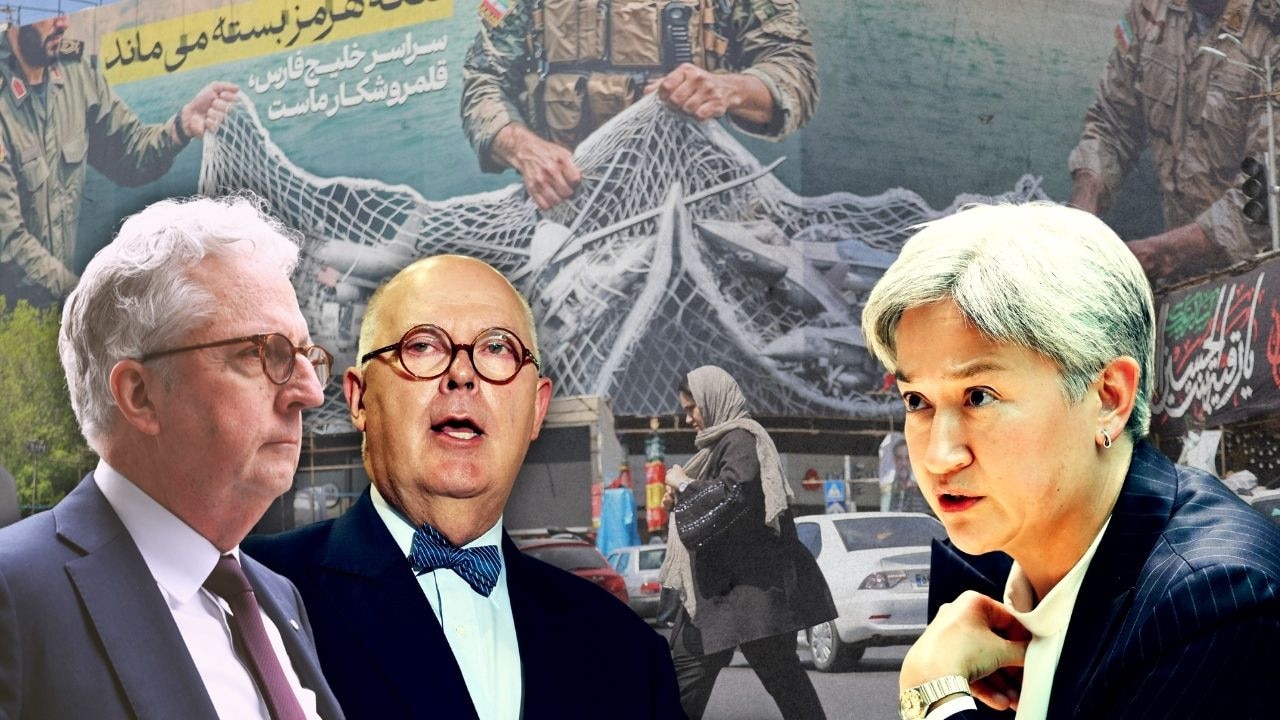
A new national interest test for Australia’s Foreign Arrangements Scheme will give Foreign Minister Penny Wong power to veto or impose conditions on any projects she considers will affect the national interest – a broad term that includes national and economic security.
Under the existing scheme, the minister can only intervene if a project may “adversely affect Australia’s foreign relations’’.
The legislative crackdown comes after The Australian revealed how researchers had co-operated on drone research with scientists from Iran. The Education Department wrote to universities in March warning them against collaborating with countries subject to sanctions. But it was forced to “reiterate the expectation’’ in follow-up letters to 26 universities from March to June this year.
Sydney University, which sent an unidentified staff member to Iran last year in defiance of warnings from the Department of Foreign Affairs and Trade, was told on June 3 – days after The Australian revealed the secret trip – that sanctions applied to “all forms of academic engagement, including travel, even when the activity is not research-related’’. Jasmina Joldic, the department’s deputy secretary of higher education, research and international, wrote to vice-chancellor Mark Scott, saying: “I am writing to reiterate the government’s expectation that Australian universities and their researchers cease all direct collaboration with Iranian, Russian, Belarusian and (North Korean) entities and researchers.”

Macquarie University, which continued to host Iranian PhD students this year, was told in June engagement involving Iran, Russia, Belarus and North Korea warranted “heightened caution and may expose Australian people, systems and institutions to significant risk’’.
“I understand there still may be contact between Macquarie researchers with Iranian counterparts,’’ Ms Joldic wrote to vice-chancellor Bruce Dowton on June 3 – the day The Australian exposed the collaboration.
“I acknowledge that Macquarie has taken steps to phase out existing partnerships with entities in sanctioned countries and its commitment not to enter new arrangements.
“The government expects this approach to be applied consistently across all forms of academic engagement, including activity that is not research related.’’
The department tabled its letters to a Senate estimates committee, at the Coalition’s request, revealing that some universities had confessed their researchers had recently collaborated with academics from sanctioned nations.
The names of the universities were redacted from two of the letters. A spokeswoman for Education Minister Jason Clare said the letters had been sent to multiple universities.
One letter told a vice-chancellor to “continue strengthening your research settings’’.
“The Australian government continues to strongly discourage any institutional or research collaboration with Iran, DPRK (North Korea) or Russia,’’ Ms Joldic wrote. “It is therefore concerning that your letter (to the department, in response to the original warning) suggests there has been recent researcher-to-researcher level collaboration with some of these countries.
“I take this opportunity to remind you that engaging in research collaboration with individual institutions from certain countries, including Iran, DPRK and Russia, may be subject to Australian sanctions.
“To avoid inadvertent breaches, universities should exercise due diligence when conducting risk assessments.’’
Opposition education spokesman Julian Leeser demanded “stronger enforcement action’’ against universities that collaborated with sanctioned countries.
“The message from these letters is hopelessly weak,’’ Mr Leeser said. “The government is saying that if you’re a university allowing collaboration with our adversaries or against our national security interests, they might send you a polite letter. Australian universities should not be helping our adversaries. The Iranian regime attacked Australia on at least two occasions that we know of, so why on Earth are taxpayer-funded institutions allowing researchers to collaborate with them?’’
Federal Education Minister Jason Clare – who vetoed 13 Australian Research Council grants this year on national security grounds – said the Albanese government had taken “stronger action on research security than any government ever has’’.
“Australian universities need to be laser focused on the risk of foreign interference,’’ he said.
“We’ve made our expectations to universities clear – when they’re working with overseas universities, they have to comply with Australian law and protect the national interest. We’re not just writing letters. We have passed legislation which gives us the power to refuse or cancel grants based on security, defence or international relations.’’
Senator Wong’s legislative amendments to the Foreign Arrangements Scheme, introduced to federal parliament last month, will give her the power to intervene in any university research deals that raises national interest or foreign policy risks. For the first time, the minister will have oversight of the overseas campuses of Australian universities.
The ASIO Act will also be amended, giving Australia’s spy agency the power to investigate universities in secret. ASIO currently has to notify universities when it is making a formal security assessment. But under the proposed changes, “ASIO’s advice to the Foreign Minister would not need to be provided in the form of a security assessment,’’ the explanatory memorandum of the Foreign Relations Amendment Bill states.
“This would also mean that an affected entity (such as a university) is not required to be provided notice of that advice and would not be entitled to seek merits review of that advice at the ART (Administrative Review Tribunal). The Foreign Minister’s decisions are not subject to merits review, including review by the ART, and excluded from judicial review.’’
Universities will not have to notify DFAT nor seek approval for research collaborations with Australia’s Five Eyes intelligence-sharing partners: the US, UK, Canada and New Zealand.
 Natasha BitaEducation Editor