
Transparency advocates have warned federal lobbying laws are “unfit for purpose” after Anika Wells accepted VIP suite tickets from the client of her husband’s lobbying firm.
News24.com.au revealed Ms Wells accepted two tickets to a VIP Suite at the AFL from the Sydney Swans – the client of her husband’s lobby firm SEC Newgate.
Australian Democracy Network senior campaigner Christian Slattery told News24.com.au the case exposed the shortcomings of the federal Lobbyist Register.
“This case demonstrates how unfit for purpose the federal Lobbyist Register is at providing transparency over lobbying activity,” Mr Slattery said.
“Historical client relationships are difficult to identify, individual lobbyists are not linked to particular clients, and conflicts of interest are not appropriately examined.”
Ms Wells confirmed she accepted two VIP suite tickets to the Brisbane Lions v Sydney Swans match in 2023, declaring them on her Register of Interests.
At the time, her husband Finn McCarthy was a senior consultant at lobbying firm SEC Newgate, which listed the Sydney Swans as a client.
The minister’s office maintains she complied with the Prime Minister’s Ministerial Code of Conduct and made all appropriate disclosures.
However, Mr Slattery said the problem extended beyond the code, arguing both the Ministerial and Lobbyists Codes of Conduct lacked accountability.
“The fundamental problem with the Ministerial and Lobbyists Codes of Conduct is that they are administrative guidelines rather than enforceable legal standards,” he said.
“The public is right to expect independent oversight with the power to hold ministers accountable for ensuring their actions always align with the public interest.”

Ms Wells declined to confirm whether her husband attended the VIP suite with her, and refused to say why she did not disclose his role on the transparency register.
News24.com.au was told Mr McCarthy did not work on the Sydney Swans account and the club was not a paying SEC Newgate client when the tickets were provided.
The controversy comes amid growing scrutiny of the way political insiders and lobbyists obtain access to ministers and government departments.
Widespread lobbying concerns
News24.com.au has previously revealed transparency concerns around former chief of staff to Health Minister Mark Butler, Nick Martin.
Mr Martin walked straight into a lobby role and was granted privileged face-to-face meetings with Mr Butler just months after leaving the top job in the minister’s office.
Documents obtained by News24.com.au showed Mr Martin identifying himself to as Mr Butler’s former chief of staff while seeking meetings in his new corporate role.
The case highlighted a loophole in the system, under which the lobbying code applies to third-party lobbyists but not in-house government relations staff.
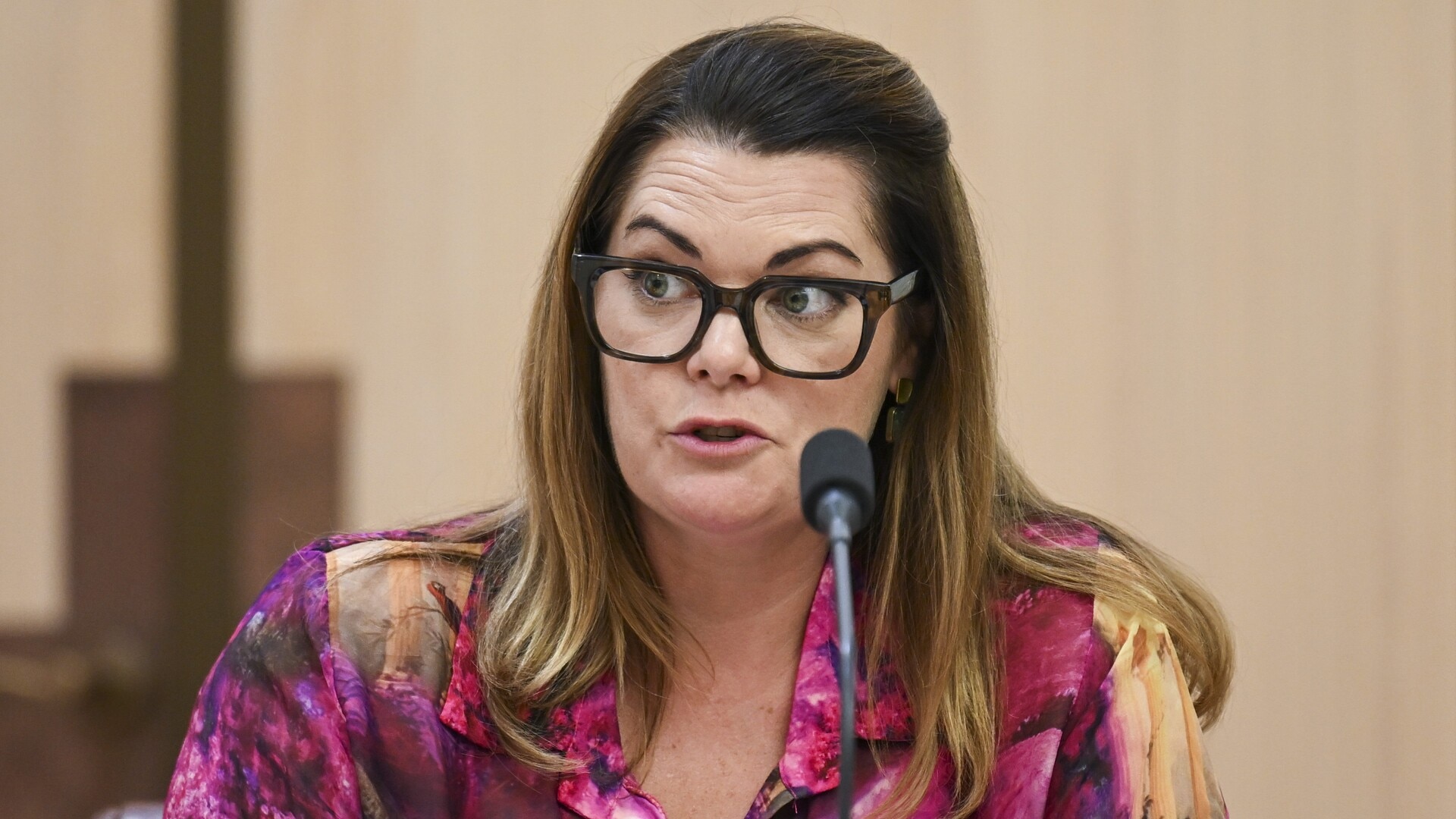
Greens Senator Sarah Hanson-Young also faced intense scrutiny over $50,000 worth of trips taken by her lobbyist husband Ben Oquist for family travel. There is no suggestion of any wrongdoing by Mr Oquist.
Mr Slattery said that voters deserve access to much more information about interactions between ministers and private interests.
“The public is entitled to know who is meeting with ministers, when, and for what purpose,” he said.
“This is particularly important when ministers and politicians accept corporate gifts, as these are often intended to purchase access and influence.
“Detailed public reporting is essential to allow the media and the public to examine how commercial interests shape federal policy.”
Calls for a National Lobbying Act
Mr Slattery recently authored the Australian Democracy Network’s landmark report, The Invisible Hand, on transparency laws in Australia.
The report identified three major problems, including lobbying loopholes, a revolving door between parliament and lobbying, and weak enforcement measures.
It argues that when lobbying activity is not properly scrutinised, the public cannot determine whether government decisions are being made by private interests.
The report calls for a comprehensive National Lobbying Act built around five key reforms.
It recommends broadening the definition of lobbyist, imposing a five-year lobbying ban for former ministers, requiring the publication of ministerial diaries, an independent integrity body and effective penalties for breaches.
“Expanding the lobbyist register is only a first step – alone it is insufficient to fix the system,” Mr Slattery said.
“A comprehensive National Lobbying Act must overhaul current rules by introducing proactive diary disclosure, strict revolving-door bans, and independent oversight to ensure system integrity.”
More than 75 civil-society organisations have backed the Australian Democracy Networks’ calls for a national lobbying regime.
“Current federal lobbying rules are among the weakest in the country, and inaction leaves our system vulnerable to hidden influence,” Mr Slattery said.
“The Albanese government has a clear opportunity to restore public trust by legislating a comprehensive National Lobbying Act that stops the revolving door, mandates transparency, and establishes a truly independent regulator.”
The Australian Democracy Network has encouraged voters to sign their petition urging the government to establish a National Lobbying Act.
Read related topics:Labor PartyLilley MP Anika Wells