
Image Credit: Shutterstock.
Belgium rewards travelers who like compact places with big character. In a single trip, you can move between canal-side lanes, grand squares, cliff-hugging river towns, and battlefield history, all without crossing huge distances. The vibe is friendly, walkable, and built for slow afternoons.
Plan around a strong base, then take short hops for variety. Early mornings work well in popular centers, while late-day light makes brick facades and waterways look their best. Keep room for long meals, because Belgium is very good at turning “just dinner” into a highlight.
1. Bruges
Image Credit: Shutterstock.
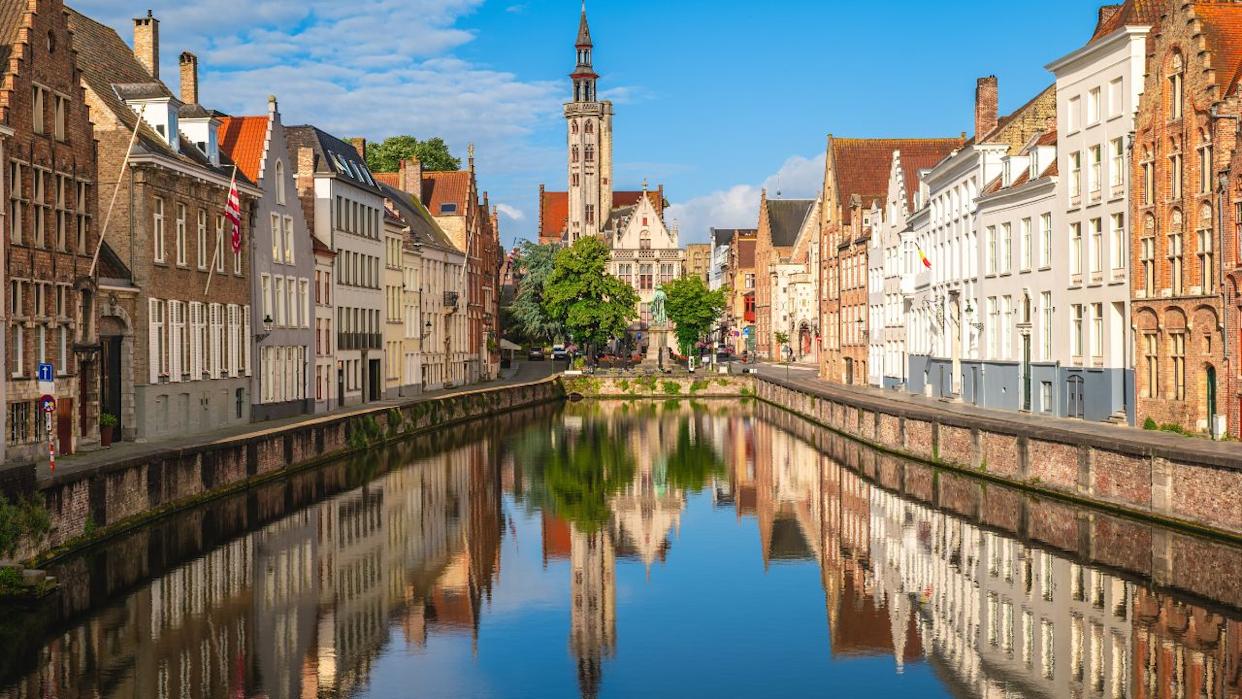
Canals curl through Bruges like quiet blue streets, and the medieval core stays remarkably intact. UNESCO lists the Historic Centre of Bruges for its preserved urban fabric and Gothic architecture, which explains why the city feels cinematic in any weather.
Begin with a loop from Market Square to the smaller lanes near the water, then pause for coffee before the busiest hours. A boat ride is an easy way to rest your feet while still soaking up views. When evening arrives, the same streets feel calmer and the reflections get better.
2. Ghent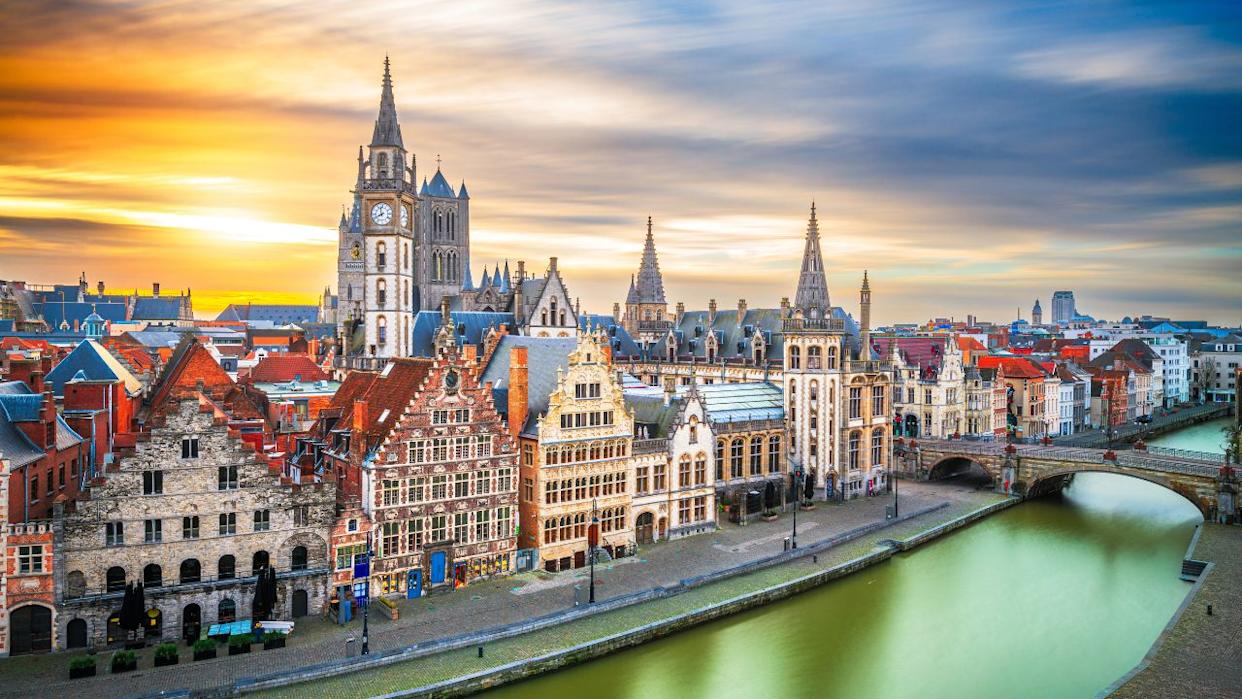
Image Credit: Shutterstock.
Ghent mixes lively student energy with a skyline of medieval towers. The Belfry of Ghent is part of the UNESCO-listed Belfries of Belgium and France, a reminder of how civic power was displayed in stone and height.
Start around Graslei and Korenlei for postcard angles, then head toward Gravensteen, the 12th-century castle that still feels imposing from the riverbank. Save museum time for midday, then return outdoors when the light softens and terraces fill up.
3. Antwerp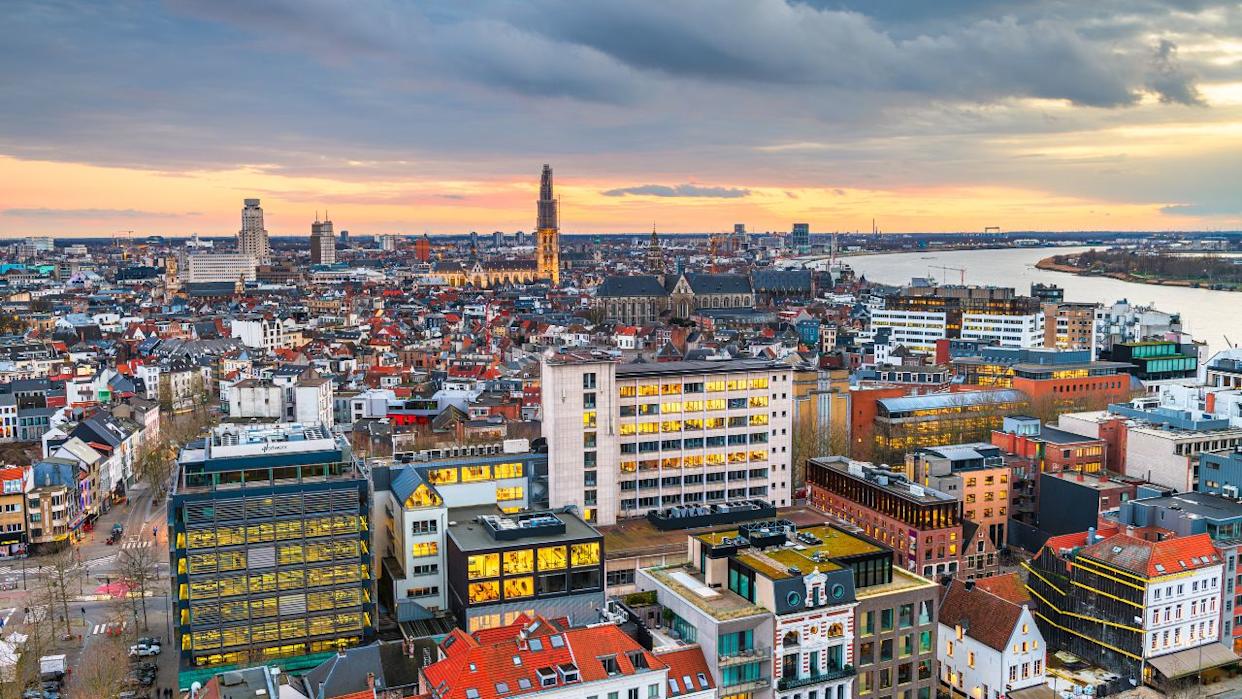
Image Credit: Shutterstock.
Fashion, diamonds, and old-world art all collide in Antwerp, and it somehow works without feeling chaotic. The Cathedral of Our Lady dominates the center, and local tourism sources highlight it as a major Gothic landmark with renowned paintings by Rubens inside.
Settle into the historic streets near Groenplaats, then wander toward the river for a different mood. Shopping and galleries are easiest to enjoy with a loose plan, so pick a few stops and let the rest happen naturally. Finish with a riverside walk, because Antwerp does “golden hour” very well.
4. Leuven
Image Credit: Shutterstock.
Leuven feels polished and youthful, thanks to its long-running university culture and compact center. The Town Hall is the star, famous for ornate Brabantine late-Gothic architecture and its lace-like facade details.
Spend the morning around the Grote Markt area, then slow the pace with a long lunch and a short stroll through calmer streets. Beer culture is strong here, so a single tasting can double as an easy evening activity. Nighttime stays relaxed, which makes Leuven perfect for an unhurried stop.
5. Mechelen
Image Credit: Shutterstock.
Between Brussels and Antwerp sits Mechelen, a smaller place with a big skyline feature. St. Rumbold’s Tower is part of the UNESCO World Heritage-listed Belfries of Belgium and France, and the climb is a signature experience for wide views.
Arrive in comfortable shoes and take the ascent at a steady pace, then reward yourself with a cafe break back on the square. A slow wander through side streets and along the water gives a great sense of the town’s scale. Mechelen shines when you keep the schedule light and let details do the work.
6. Dinant
Image Credit: Shutterstock.
Dinant sits tight against cliffs along the Meuse, with a dramatic profile that looks designed for photographs. Music fans have a fun extra reason to visit: Adolphe Sax, inventor of the saxophone, was born here.
Walk the riverside first for the best views of the rock face and townfront. Later, head upward for a panorama if you feel like earning your lunch. The place is small enough that even a half-day visit can feel complete.
7. Namur
Image Credit: Shutterstock.
At the meeting of the Meuse and Sambre rivers, Namur offers a strong mix of water views and fortress history. Regional tourism sources describe the Citadel of Namur as one of the largest in Europe, and it comes with extensive underground passages.
Start at the citadel for a big overview, then drift down into town for food and relaxed browsing. A riverside stroll works well in the late afternoon, when the city feels gentler and breezier. Namur is a great base if you want a quieter Wallonia stop that still feels substantial.
8. Durbuy
Image Credit: Shutterstock.
Durbuy’s historic heart is compact and romantic, wrapped around the Ourthe River. Wallonia’s official tourism site describes winding cobbled pedestrian lanes lined with old stone buildings, which matches the “get lost on purpose” vibe.
Treat this stop like a slow walk with snacks rather than a checklist. Small shops and cafes make it easy to linger, especially if the weather turns cool. A short outing to nearby viewpoints adds variety without complicating the day.
9. Tournai
Image Credit: Shutterstock.
Tournai carries serious heritage weight for a place that still feels approachable. UNESCO lists Notre-Dame Cathedral in Tournai, and the city also has a belfry included in the UNESCO Belfries of Belgium and France group.
Plan a calm morning around the cathedral, then add the belfry for a second perspective on the rooftops. Between the two, you get an easy long-weekend mix of architecture, viewpoints, and relaxed cafe time. Tournai is proof that “classic” does not have to mean crowded.
10. Ypres
Image Credit: Chongbum Thomas Park/Shutterstock.
Ypres is a small town with a huge World War I story, and the atmosphere is quietly moving. The In Flanders Fields Museum sits in the rebuilt Cloth Hall and focuses on the war’s impact through objects and personal narratives.
In the evening, the Menin Gate hosts the Last Post ceremony at 8:00 pm, organized by the Last Post Association. Give yourself time to arrive early, then keep the rest of the night simple afterward. Ypres is best experienced with respect, patience, and a slower pace.