
BRUSSELS- A serious aviation incident occurred at Brussels Airport (BRU) when a SAS or Scandinavian Airlines (SK) aircraft mistakenly attempted to take off from a taxiway instead of a runway. The aircraft accelerated to more than 100 knots before the pilots realized the error and aborted the takeoff.
The incident involved SAS flight SK2590, which was scheduled to fly from Brussels (BRU) to Copenhagen (CPH). The Airbus A320neo was carrying 135 passengers and crew when the near-disaster unfolded during its departure attempt.
 Photo: Robbie, Wikimedia
https://commons.wikimedia.org/wiki/File:SAS_Scandinavian_Airlines_Airbus_A320neo_SE-ROG_at_Schiphol_03-03-2022.jpg
SAS Taxiway Takeoff Attempt
The aircraft was scheduled to depart Brussels at 8:30 p.m., but the flight experienced delays and eventually began its taxi around 10 p.m. The pilots were instructed to taxi toward Runway 7R and planned to depart from the midfield intersection at Taxiway C6.
However, during taxi, the aircraft turned earlier than expected and aligned with a series of taxiways instead of the runway. These taxiways, identified as E1, F2, and V1, run parallel to the runway but are significantly shorter and not designed for takeoff operations.
Despite the incorrect alignment, the aircraft began accelerating as if it were on the runway. Within seconds, the Airbus A320neo reached approximately 107 knots, a speed close to the aircraft’s normal takeoff rotation speed, reported OMAAT.
The taxiway length quickly became a critical issue. Unlike a runway, the taxiway did not provide enough distance for a safe takeoff roll or for a comfortable high-speed abort.
ALSO READ: Emirates 777 Pilots Tries to Takeoff from Wrong Runway at Dublin Airport?
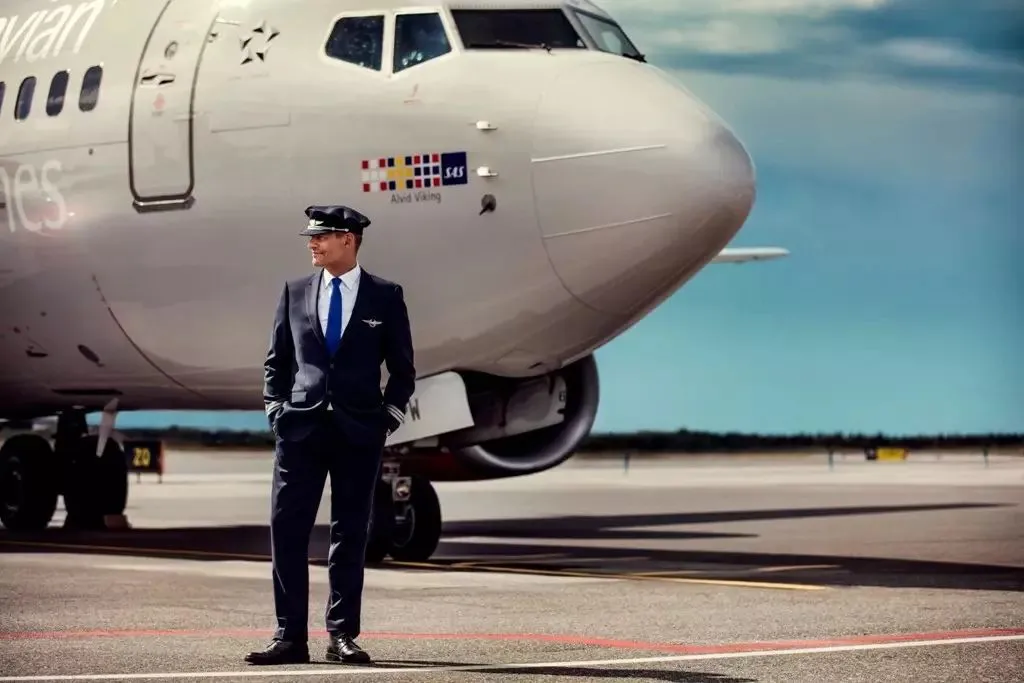 Photo: SAS
Pilot Braked the A320neo to Halt
Inside the cockpit, the first officer monitored the aircraft’s acceleration and made the standard “100 knots” callout. The captain, who was acting as the pilot flying, did not initially respond to the callout.
Moments later, the first officer realized that the aircraft was accelerating on a taxiway rather than the runway. The first officer immediately alerted the captain and issued repeated commands to stop the aircraft.
According to the preliminary report, about 22 seconds after the takeoff roll began, the captain reduced thrust and initiated maximum braking. Reverse thrust was also deployed to slow the aircraft.
The aircraft ultimately stopped near the end of the taxiway after a rapid deceleration. The pilots then steered the aircraft sharply onto another taxiway to avoid overrunning the paved surface.
The braking maneuver caused the aircraft’s brakes to overheat, which required ground crews to assist after the aircraft came to a stop.
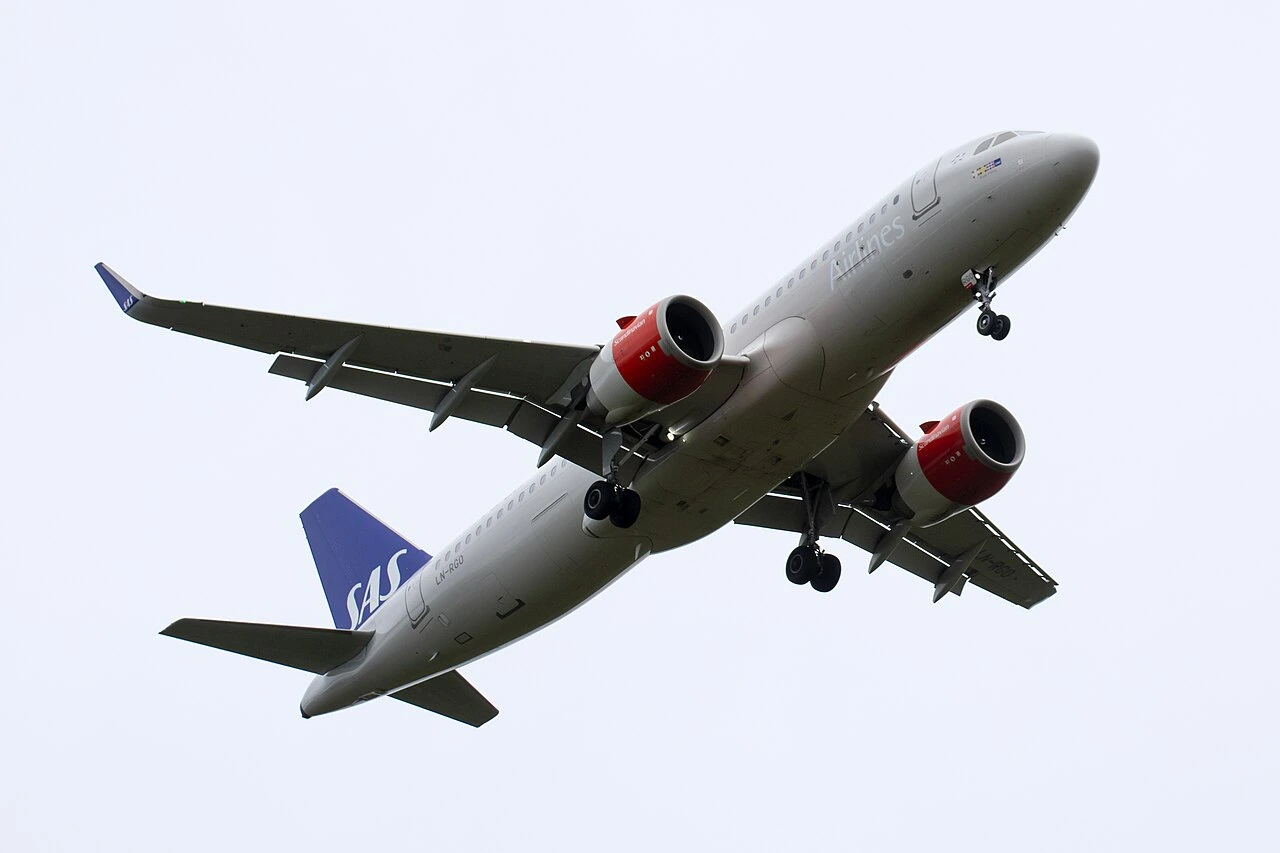 Photo: Wikimedia Commons
Investigation Findings
Passengers described the sudden stop as abrupt and frightening. Airport authorities later confirmed that the aircraft halted close to an area containing fuel storage tanks, which increased the seriousness of the incident.
Emergency services responded quickly, and passengers disembarked the aircraft using mobile stairs. Airport buses transported them back to the terminal while safety inspections took place.
Weather conditions at the time of the incident were reported as clear, meaning poor visibility did not contribute to the error. Investigators are therefore focusing on operational procedures and cockpit situational awareness.
The captain operating the flight reportedly had more than 15,000 flight hours of experience. The first officer had nearly 1,000 hours of flight time and was responsible for monitoring instruments and callouts during the takeoff roll.
Although taxiway takeoff attempts have occurred in aviation before, most incidents are detected quickly and aborted at low speeds. In this case, the aircraft accelerated unusually far into the takeoff roll before the mistake was identified.
Stay tuned with us. Further, follow us on social media for the latest updates.
Join us on Telegram Group for the Latest Aviation Updates. Subsequently, follow us on Google News