Last week, I wrote about the wildfires that have been part of the particularly hot British summer, burning 60,000 acres of land, including in the New Forest and near Westbury.
Not everyone has been worried about these alarming consequences of climate change: Richard Tice, deputy leader of Reform, suggested that, ‘when it’s a bit warm, let’s enjoy it’.
However, things are about to get warmer, and less enjoyably so.
This year’s forthcoming El Nino weather event is, according to the Met Office, the strongest ‘in living memory’.
Read more
All the rules New Forest visitors need to know as 2 new ones are added
Petting New Forest ponies could lead to £100 fine if new plans approved
Woodland left charred after firefighters tackle blaze
Summer wildfires meant Wiltshire firefighters got to other calls less quickly
Red fire alert issued for Wiltshire after a 429 per cent rise in open fires
That’s going to have a huge impact globally: it means we’re looking at a very soggy end to 2026 in the UK and ‘very likely’ the hottest year on record in 2027.
The wildfires we have experienced this year, therefore, are likely to be repeated, if not even more devastatingly.
The question, therefore, is what can we do in the meantime to mitigate their impact?
There are, as far as I’ve been able to deduce, two rival schools of thought as to what we could do.
One suggested scheme is the idea of rewilding.
This involves returning sections of land back to their original state, with the restoration of marshes, peatlands and wet heaths.
Over the years, this land has been lost, for agriculture and other economic purposes: the huge fires near Bordeaux were fuelled by Europe’s largest artificial pine plantation, burning through land that, yes, was once marshes and peatland.
By soaking up water and acting as a sort of natural sponge, rewilded areas can serve as a break when wildfires spread.
Down in Somerset, there has been some remarkable work done on the National Trust’s Holnicote estate.
In the middle of an area parched yellow like much of the country, the rewilded area remains lush and green.
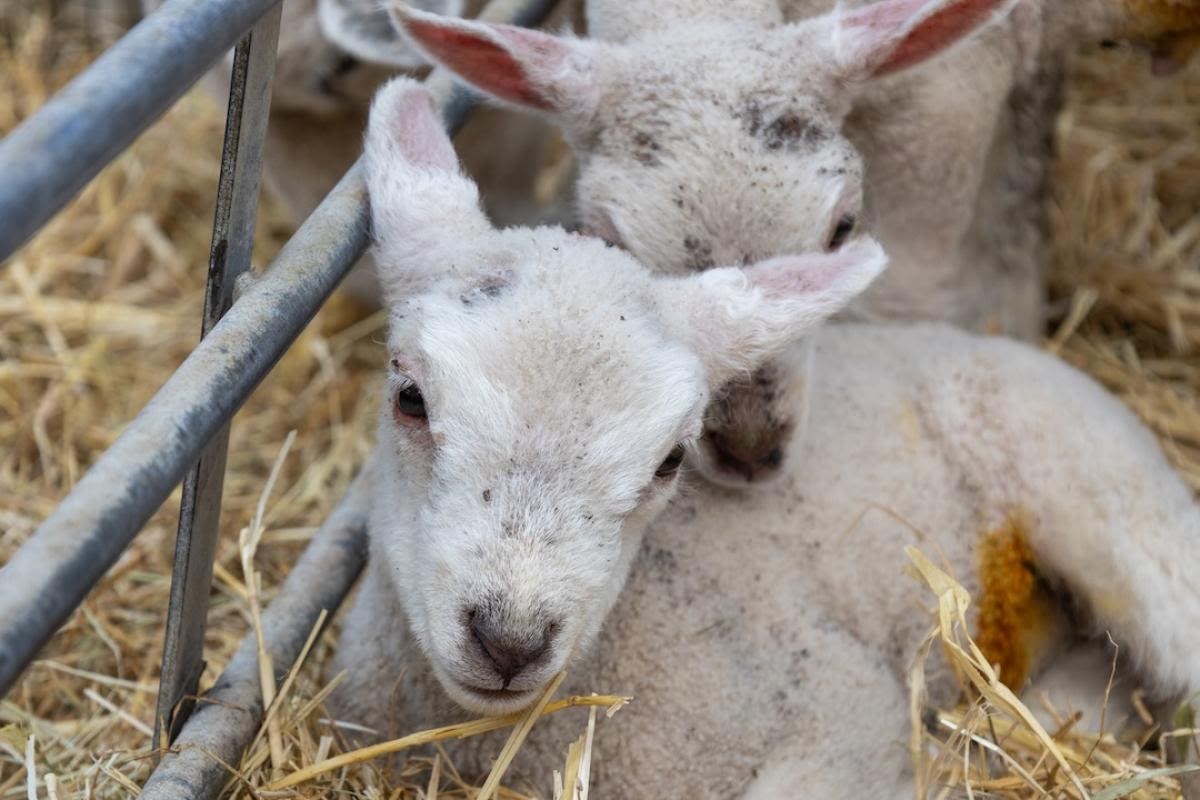
A second school of thought offers a different natural remedy to wildfires: goats and sheep.
For wildfires to expand, they need fuel to burn, in particular dry grass, heather and shrubs.
But by introducing grazing animals into a landscape, they can munch away to create areas of shorter vegetation that can serve as natural barriers when fires start to spread.
According to the Moorland Association, grazing can reduce the amount of land burned by between 25 and 60% and reduce both the rate of fire spread (by 60%) and flame length (under four feet in grazed areas).
It’s a policy that has seen success in Spain, with goats used to limit the spread of fires in Andalusia.
While both these schemes have their critics, it feels like rewilding offers a longer-term solution, with grazing a more immediate remedy.
Rather than being sheepish about it, the government should think about embracing the nanny state.