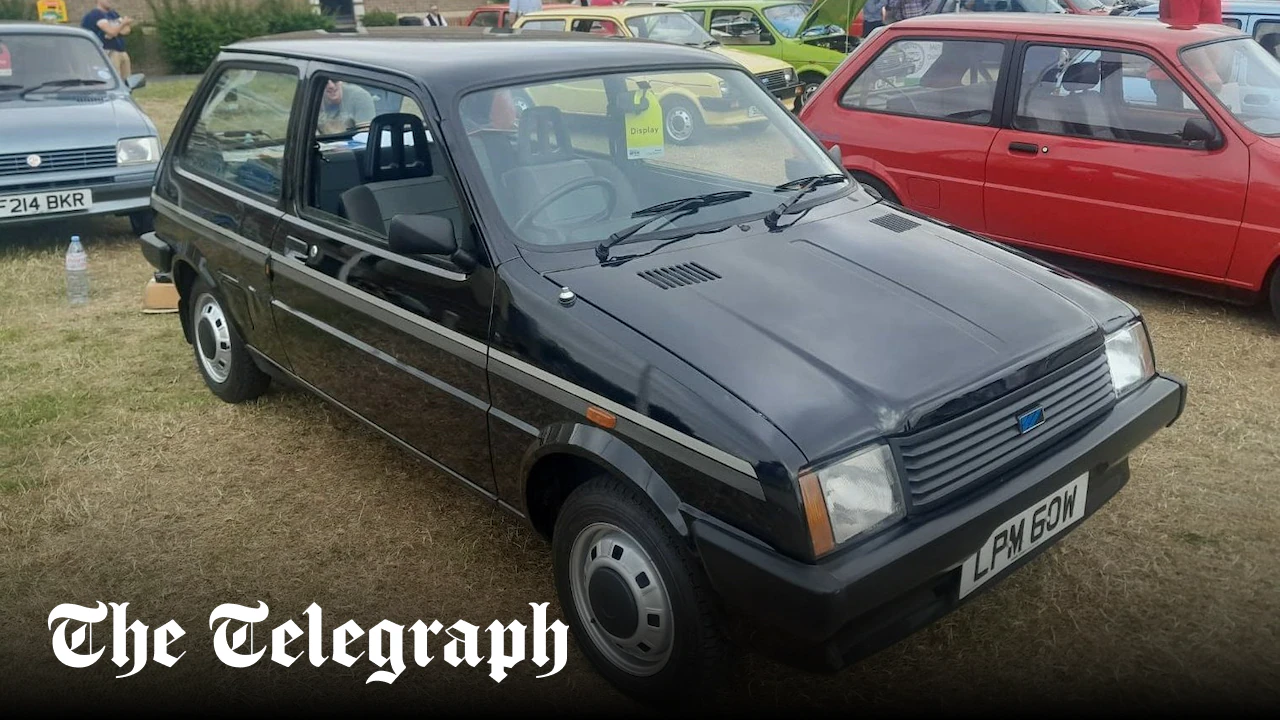
The 1.3 S was £3,995 compared with £4,293 for the Ford Fiesta 1.3 S. BL liked to highlight how modern the Metro appeared compared with its rivals and the 1.3 S certainly appeared more contemporary than the Fiesta, which had been sold in the UK since 1977. The Metro also looked more up to date than the Fiat 127 Sport for £3,775, the Peugeot 104 ZS for £4,069 or the Renault 5 TS at £4,085.
The stripes and distinctive upholstery made the 1.3 S ideal for a go-ahead young estate agent. However, Corke, who once worked for a British Leyland dealership, recalls “older customers trading in BL products like Maxis and Marinas for the Metro. They generally wanted the larger engine and went for the youthful, sporty 1.3 S as the budget option. The stripes along the side were a sacrifice worth making to save nearly £300 over the price of the 1.3 HLS.”
Corke’s Metro is one of the first examples to leave the factory and the 1.3 S was an integral part of the new “supermini” line-up charged with saving British Leyland. Mark Snowdon, the Austin-Morris division product director, told the press: “In so many ways, the Metro represents turning over a new leaf.”
Fortunately, this newspaper wrote: “Well, you can all relax now. The Metro is a jolly good little car. If British Leyland cannot sell this one, they may as well give up trying.” As for the 1.3 S, BL hinted at plans for a much more sporting version as early as 1980 although the S carried on until 1982 when it became surplus to requirements when BL introduced the MG Metro 1300.