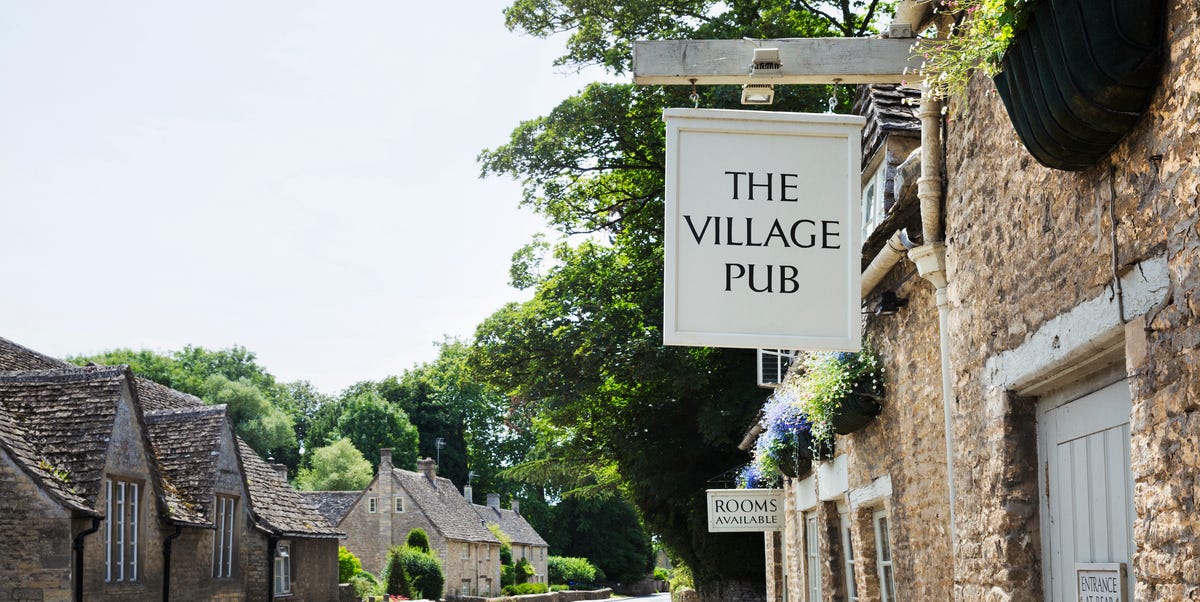
For many villages, a country pub is more than somewhere to enjoy a pint – it’s a community hub where neighbours meet, visitors are welcomed, and an important ‘third space’ where people can connect outside the home and workplace.
In rural areas, where neighbours can live miles apart, they can help combat feelings of loneliness and isolation, not to mention help fill up diaries with pub quizzes, pizza nights, menu launches and seasonal parties. Like allotments, community cafes, parks and libraries, pubs help to build a local community and provide an informal environment for socialising.
“We’ve always been passionate about the great British pub – it’s such a unique thing,” Alasdair Clifford, co-founder of The Barrington Boar in the Somerset village of Barrington, tells Country Living. “It can be the beating heart of the local community for some, but also a relaxed hideaway for a weekend getaway for others.”
But village pubs have been under increasing pressure in recent years, dealing with soaring operating costs, rising bills and customers who are also having to tighten their spending.
Now the government is stepping in with reduced business rates and a £61 million fund to help communities protect local businesses that are at risk of closure. Could this be the lifeline they need?
Rising costs
Georgie McHugh took over The Red Lion Inn in Alnmouth, a coastal village in Northumberland, with her husband Ben during the pandemic. Since then, the couple have continually adapted the pub to ensure its survival.
“We love running the business; however, we’ve had to make significant changes in the way we operate with constantly rising costs – national living, utilities, operating costs, employers’ national insurance contributions – the list is endless!

 Georgie McHugh
Georgie and Ben McHugh in their pub, the Red Lion Inn
“We have a strong local community who do the best to support the pubs in our village; however, it isn’t enough to pay the bills. Tourism is key for our business.”
Georgie continues: “Pre-COVID we were known as the ‘fine dining’ establishment in the village. However, we’ve had to adapt with the rising costs to both our customers and us. To keep it affordable, we run our wood-fired pizza menu and no longer use our main kitchen, aside from for breakfast. What once was a business of over 20 staff is now just 10 – and this costs us more!”
Alisair agrees, explaining: “To survive, you have to work exceptionally hard at creating a destination that people genuinely want to visit, whether that’s through being an outstanding gastropub, offering great rooms, putting on events, or continually improving the overall experience.”
How is the government going to help pubs?
Since Andy Burnham came into power as Prime Minister in July, he’s put helping small businesses high on the agenda, with a cut to business rates for pubs among his first major measures.
Eligible pubs in England will receive a 15% reduction in their business rates bill for 2026/27, rising to 20% from April 2027. The government has also announced a £61 million fund to help communities buy and protect ‘valued local assets’, including pubs, shops and other community spaces at risk of closure.
How much will this help pubs in practice?
The pub community has welcomed this strategy; however, it’s clear there’s still a lot more work to be done. “This announcement is a signal that the government is finally listening to the hospitality industry, and whilst we can’t expect the entire sector to be fixed within the first week of this administration, we welcome the acknowledgement that the system needs an overhaul,” Emma Woodhouse, co-owner of The Fleur de Lys, in Lowsonford, South Warwickshire.


Fleur de Lys
Georgie adds that while this provides some help, it’s less useful for those businesses that aren’t currently in profit. “The tax relief may help a small amount; however, that only helps pubs that are making profit,” she explains, adding, “Fortunately, we are still able to do so.”
While the discount reduces business rates, it’s not a cash injection for the pubs that need it most and can’t afford other daily bills like energy, wages, and stock.
“In real terms, we’re losing two pubs a day, and these measures won’t come into effect until April, by which time it will be too late for potentially 504 pubs that are at real risk of closure between now and then,” Emma, of The Fleur de Lys, continues. “We also appreciate that whilst £1,100 could help finance 80+ hours of work, or be reinvested into businesses that have been putting plans for growth on hold, it will be unlikely to be reflected in the cost for the end user.”


John CORRY//Getty Images
Like many others working in hospitality, Emma would like to see VAT come down from its current rate of 20% down to 10%, following the example of the likes of France, Spain, and Germany to help save struggling pubs, restaurants, and hotels
“And that’s really where we would like to see a reduction in the cost of VAT to be more in line with Europe at 10% and incentivise customers to come back out and contribute to the economy,” she concludes.
For multi-purpose venues like Alistair’s, the VAT debate feels even more relevant. “A business like the Barrington Boar isn’t simply a pub,” he explains.
“We’re a pub, restaurant and accommodation business, and we face the same pressures as the wider hospitality sector: 20% VAT, rising wages and National Insurance, energy, food and supply costs. It seems unfair that support is increasingly being directed toward one part of hospitality, even though these pressures affect the whole sector.”
Will hospitality VAT be reduced?
Georgie echoes Emma’s sentiment, telling us: “We’ve both signed the petition ‘Vat’s The Problem‘ [currently at over 323,000 signatures and backed by big names in hospitality like Tom Kerridge] and feel strongly about this.
“We struggle with cash flow in the winter, being a seasonal business, so VAT is a killer! What would really help us is a reduction to 10% to save small businesses like ourselves.
“The hardest thing for pubs to survive at the moment is both the business being hit with rising costs as well as our customers being hit with rising costs at home, resulting in people having less disposable cash to come out and enjoy themselves.”

 Georgie McHugh
The Red Lion Inn in Alnmouth
The UK government currently has no plans to reduce VAT from 20% to 10% within the hospitality sector, despite growing pressure from the industry.
While there may still be some challenges ahead, Emma is feeling optimistic that this is the beginning of positive change – though she hopes to see this approach rolled out to other areas of hospitality.
“It is also important that our colleagues in hotels, restaurants and cafes aren’t overlooked as we are all facing the same challenges within hospitality,” she continues.
“But, more broadly, this does signal that the government recognises the fault in the business rates system and hopefully further announcements will follow that will also benefit independent retail businesses and service providers like salons, too, to reduce the cost of doing business and rejuvenate our local communities and high streets.”
Alistair also argues that a more holistic approach to the hospitality sector is needed, concluding: “What we’d really like to see is a more level playing field across the whole industry, particularly through a reduction in VAT.
“Pubs, restaurants, hotels and other hospitality businesses all contribute significantly to local economies, employment and tourism, and they need support that recognises the pressures facing the sector as a whole, rather than dividing hospitality into winners and losers.”