

To offset the variable nature of solar and wind generation, PDP 2026 will integrate utility-scale Battery Energy Storage Systems (BESS) to guarantee baseline grid stability comparable to conventional gas-fired plants.
Crucially, the blueprint formally incorporates Distributed Energy Resources (DERs)—including residential solar panels, electric vehicles, and localised batteries.
These decentralised assets can be aggregated into Virtual Power Plants (VPPs) to deliver up to 14,000 MW of virtual capacity, eliminating the immediate need to construct physical base-load power stations.
The ‘Cost of Inaction’ and Smart Grid Infrastructure
While modernising national infrastructure requires substantial capital, TDRI’s Areeporn cautioned against focusing solely on upfront expenditure, urging decision-makers to weigh the severe “cost of inaction”.
She warned that if Thailand delays smart grid investments while global decarbonisation pressures build, the country faces massive economic losses driven by expensive backup fossil-fuel plants, volatile fuel imports, and diminished export competitiveness.
Dr Areeporn outlined that managing a decentralised, weather-dependent grid requires a smart grid framework anchored by four essential pillars:
• Forecasting: Predicting volatile renewable generation and demand fluctuations.
• Measurement: Recording real-time power generation down to localised regional levels.
• Control: Actively managing and balancing electricity flows to maintain system stability.
• Observation: Maintaining continuous system visibility to prevent localised grid failures.
She called for a fair pricing structure where grid modernisation costs are shared proportionally, ensuring that commercial entities benefiting most from green power contribute equitably to the physical infrastructure.

Overcoming Technical Volatility and Grid ‘Invisibility’
The technical urgency of upgrading grid management was reinforced by state utility operators. Jakgree Sirimaneewattana, Assistant Governor of the Electricity Generating Authority of Thailand (EGAT), explained that bi-directional power flows from residential “prosumers” are creating reverse power flows, destabilising voltage as power pushes back from distribution networks into the high-voltage transmission system.
To maintain system quality, EGAT is deploying artificial intelligence forecasting models to predict renewable output and is constructing a specialised smart control centre scheduled to open in 2028.
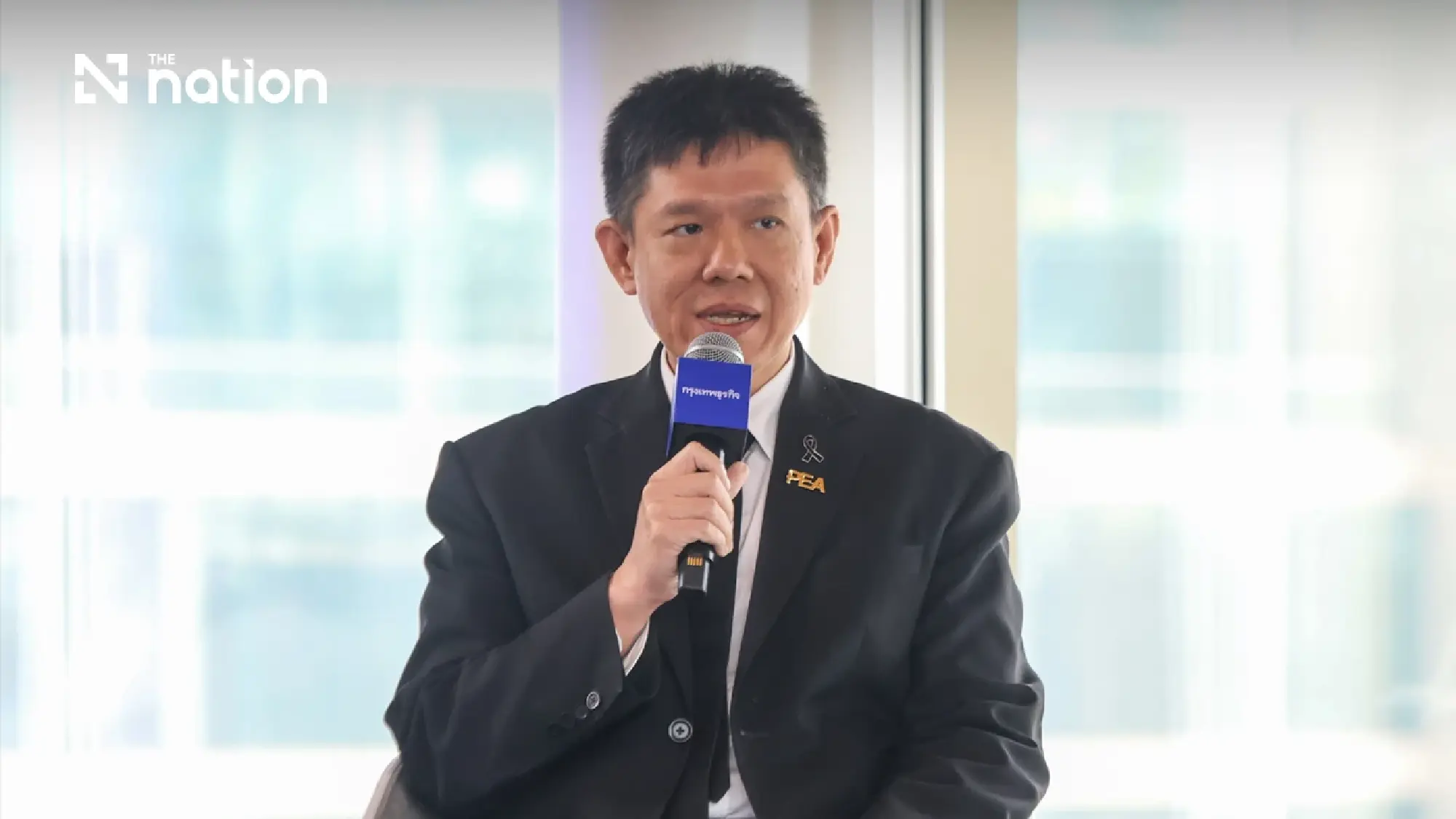
On the distribution front, Pongsakorn Yuthagovit, Deputy Governor of the Provincial Electricity Authority (PEA), highlighted the challenge of grid “invisibility”.
Without granular, localised data, balancing peak daytime solar generation against heavy evening EV charging becomes exceptionally difficult.
To restore network visibility, PEA is accelerating the rollout of Advanced Metering Infrastructure (AMI) and smart sensors nationwide. Both EGAT and PEA leaders concluded that flexible Time-of-Use (TOU) pricing will be vital to signal to consumers when to store energy, draw from the grid, or feed surplus power back into the network.