
NORTHAMPTON, MA / ACCESS Newswire / September 21, 2026 / Nokia
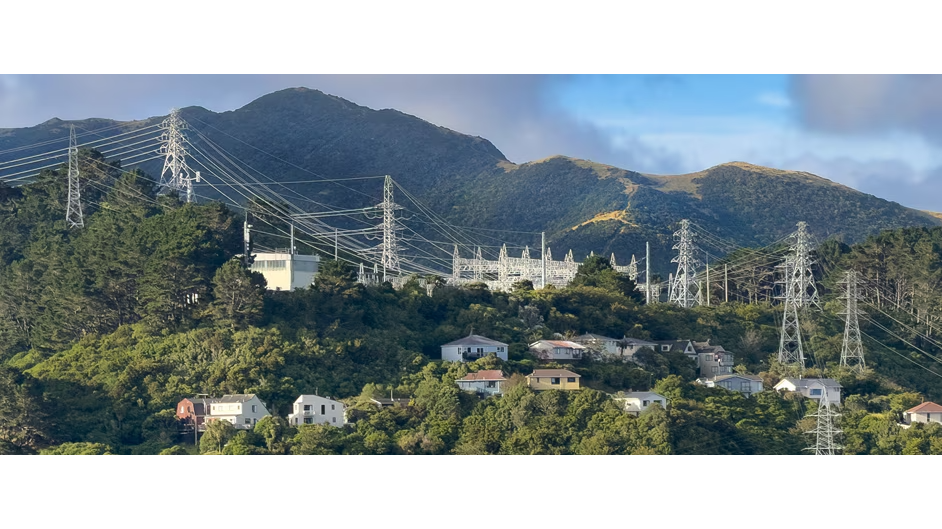
When we talk about mission-critical networking, we often use terms like “five-nines availability” and “low latency.” After getting a view of the operations of the Haywards electrical substation at the northern end of New Zealand’s 350 kV High-Voltage Direct Current (HVDC) links, these terms have become something far more tangible to me.
As an IP engineer from Europe, I’ve spent my career focused on improving reliability for mission-critical networks. But remotely supporting the local team at Transpower New Zealand has given me a much deeper understanding of what it means to be a true guardian of infrastructure. In retail, a broadband outage might mean missing your morning coffee. When a national grid fails at scale, the café is shut, the lights are out and, as John Crisp, Communications Network Head at Transpower, puts it, “it’s all over, Red Rover.”
Why the communications network matters to utilities
Transpower’s grid gives the country its lifeblood by moving hydroelectric power from the South Island to major population centers on the North Island. But the grid is only as strong as the communications network that controls it. That network is called TransGO, and it acts as the nervous system behind the grid’s operations.
Without TransGO, grid operators are effectively working blind. They lose real-time visibility of equipment, generation and load. As more renewable energy sources such as solar and wind farms come online, this visibility becomes even more critical. Because renewables generate energy intermittently, grid operators need highly accurate, real-time data to keep the grid balanced. Add the threat of natural disasters, and the need for resilient, proven IP/MPLS technology capable of service segregation and strong cybersecurity becomes undeniable.
Guardians of the national grid
The team at Transpower introduced me to a Māori word that captures their mission perfectly: Kaitiaki, which means guardians.
Transpower sees itself as the “Kaitiaki of the national grid,” and it carries that responsibility with commitment and determination. This goes far beyond cables and towers. It is about securing a reliable, affordable and sustainable future for more than five million New Zealanders.
This sense of guardianship resonates deeply with the mission-critical networking team at Nokia. It is the same mindset that drives us to deliver beyond the standard because failure is not an option for a Kaitiaki like Transpower.