
A decade-long partnership between Rolls-Royce and the UK Government aims to advance next-generation jet engine technology, strengthen domestic manufacturing capabilities, and support thousands of highly skilled jobs across the country.
The UK Government and Rolls-Royce have outlined plans for a 10-year, £2.5bn research and technology programme designed to advance gas turbine technology for civil and defence aerospace.
The proposed initiative represents a major opportunity to reshape the UK’s advanced manufacturing landscape, with a focus on developing more efficient, lower-emission jet engines and securing a domestic role in the next generation of commercial aircraft.
Central to the programme is Rolls-Royce’s ambition to establish an engine position in the growing, high-volume narrowbody aircraft market, supported by an engine demonstrator project.
Alongside commercial aerospace development, the investment would preserve important testing and engineering capabilities, reinforcing the UK’s sovereign defence aerospace infrastructure and national resilience.
Tufan Erginbilgic, CEO of Rolls-Royce, believes the programme is a landmark moment for the UK’s aerospace industry.
“This is a once-in-a-generation opportunity to lay the foundations for decades of sustainable economic growth across the UK, creating high-value jobs and transforming the country’s advanced manufacturing supply chain.”

“Aerospace is a growing and globally attractive market, and this programme with government is vital to enable the UK to compete. Working together, we can also sustain the nation’s capability to power military aircraft and secure its position as one of only two countries that can design, develop, make, and service the jet engines that power the world’s commercial airliners.”
Tufan Erginbilgic, CEO, Rolls-RoyceNEXT GENERATION OF COMMERCIAL AIRCRAFT
The narrowbody market, which encompasses single-aisle aircraft, is expected to provide significant opportunities for aerospace manufacturers over the coming decades.
New aircraft in this category are anticipated to enter commercial service between the mid and late 2030s, meaning manufacturers are expected to select their engine partners within the next few years. These decisions will take place ahead of potential aircraft launches around the turn of the decade.
The UK Government’s Industrial Strategy identifies this segment as the largest growth opportunity in aerospace over the next 50 years. Securing a place in the market would therefore provide considerable long-term prospects for Rolls-Royce and the wider UK industrial base.
A successful programme could generate an additional £120bn for the UK economy over its lifetime, alongside billions of pounds in further domestic investment over subsequent decades.
SUPPORTING JOBS, SKILLS, AND MANUFACTURING GROWTH
Beyond developing new engine technologies, the programme is expected to deliver substantial benefits for the UK’s workforce and advanced manufacturing supply chain.
Success could support tens of thousands of highly skilled jobs at Rolls-Royce and across the country, whilst creating opportunities for new, internationally competitive manufacturing facilities and factories.
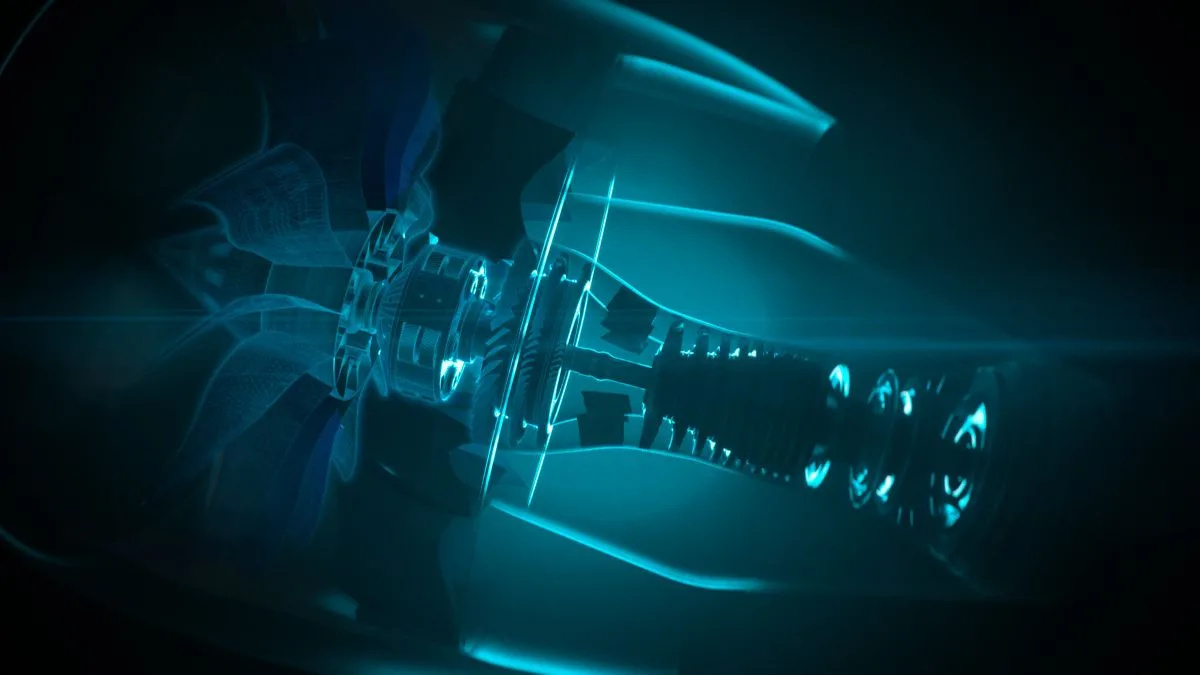
The initial phases of the proposed investment, which remain subject to a final agreement, are expected to support 3,300 jobs across Rolls-Royce and its UK supply chain partners by the end of 2029.
To help meet future workforce requirements, Rolls-Royce and the government intend to collaborate on a dedicated jobs and skills development plan. The programme would also extend into academia, providing opportunities for university departments to undertake new research.
EXPANDING THE UK’S AEROSPACE CAPABILITIES
Rolls-Royce believes its transformation over the past three years has strengthened its position as a partner to the UK Government, which has a longstanding record of supporting the aerospace sector.
The company also expects its financial contribution to the narrowbody programme to significantly exceed the government’s investment.
Rolls-Royce is one of just three businesses globally with the end-to-end capabilities required to design, manufacture, and service an engine of this kind, placing it in a position to pursue the opportunity.
Should aircraft manufacturers select its proposed narrowbody engine technologies, Rolls-Royce intends to return to the market through a partnership model.
This would involve identifying UK locations for new, state-of-the-art engine assembly and testing facilities, as well as increasing domestic advanced manufacturing capacity to produce the specialist components required.

These would include high-pressure turbine blades, which sit at the core of jet engine technology, and advanced composite fan blades.
The wider supply chain would also play an important role, with new factories potentially required to meet manufacturing demand. Rolls-Royce and the government will work together to maximise opportunities for UK-based suppliers and ensure more of the programme’s economic benefits remain within the country.
ROLLS-ROYCE’S CONTRIBUTION TO THE UK ECONOMY
The proposed programme builds on Rolls-Royce’s existing industrial and economic footprint across the UK.
The company works with communities in all four UK nations and every English region, supporting more than 73,000 jobs. Of these, approximately 23,000 are directly employed by Rolls-Royce across its 37 UK sites.
Its domestic supply chain comprises more than 1,350 British businesses, with annual spending exceeding £2bn. Through its operations, Rolls-Royce contributes £7.4bn to the UK economy, alongside a further £4.4bn in productivity-related research and development spillover effects.
International trade is another significant part of its contribution. Around 80 percent of the company’s UK-manufactured output is exported, generating £8bn in annual export value and representing £1 in every £50 of UK goods exports.
One notable example is the Trent XWB, Rolls-Royce’s most successful large commercial jet engine. Manufactured in Derby, the engine has already delivered more than £30bn in UK export value.