
Tate Britain is set to turn back the clock this autumn with The 90s: Art and Fashion, the first major exhibition to examine the decade’s collision of contemporary art, photography and fashion—and the creative explosion that helped reshape British culture.
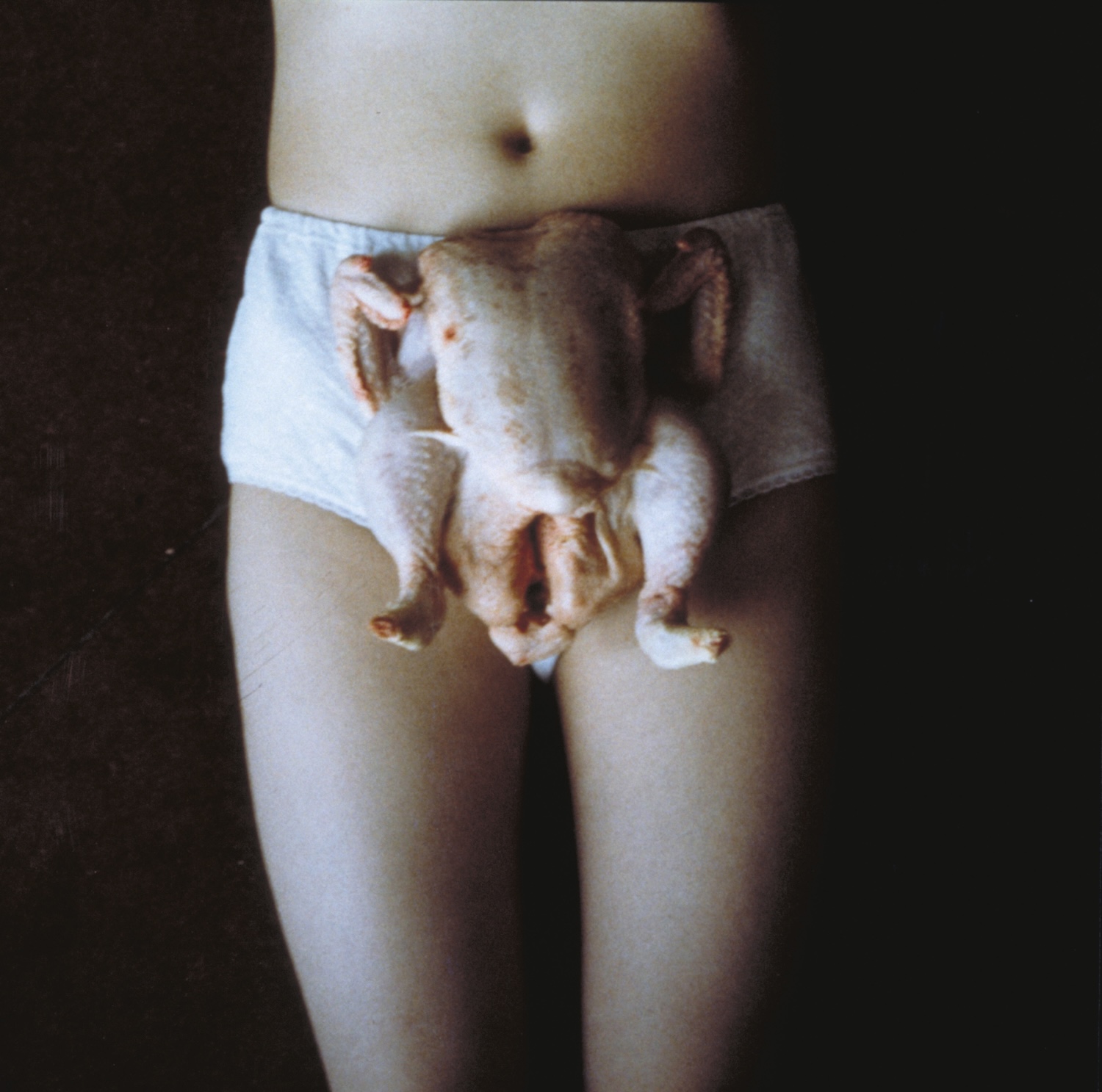 Sarah Lucas, Chicken Knickers 1997. Courtesy the artist and Sadie Coles HQ, London
Opening in Autumn 2026, the ambitious exhibition will bring together more than 100 works by nearly 70 artists, photographers and designers, charting a decade defined by raw experimentation, anti-establishment energy and a new visual language that still reverberates today. From the rise of the Young British Artists to the radical runway visions of Alexander McQueen, the show promises a vivid reappraisal of one of Britain’s most transformative cultural moments.
Curated with input from Edward Enninful, whose own career emerged during the era, The 90s: Art and Fashion will explore how Britain’s artists, photographers and designers responded to a rapidly changing social and political landscape with audacity, invention and unmistakable style.
The exhibition begins in the DIY, anti-fashion world that defined early 90s image-making. Photography by Corinne Day, Nigel Shafran and Juergen Teller—created for era-defining titles including i-D and Dazed and Confused—captured a lo-fi realism that rejected polished glamour in favour of grit, intimacy and authenticity. That visual shift would ripple across fashion, art and publishing, redefining beauty and identity in the process.
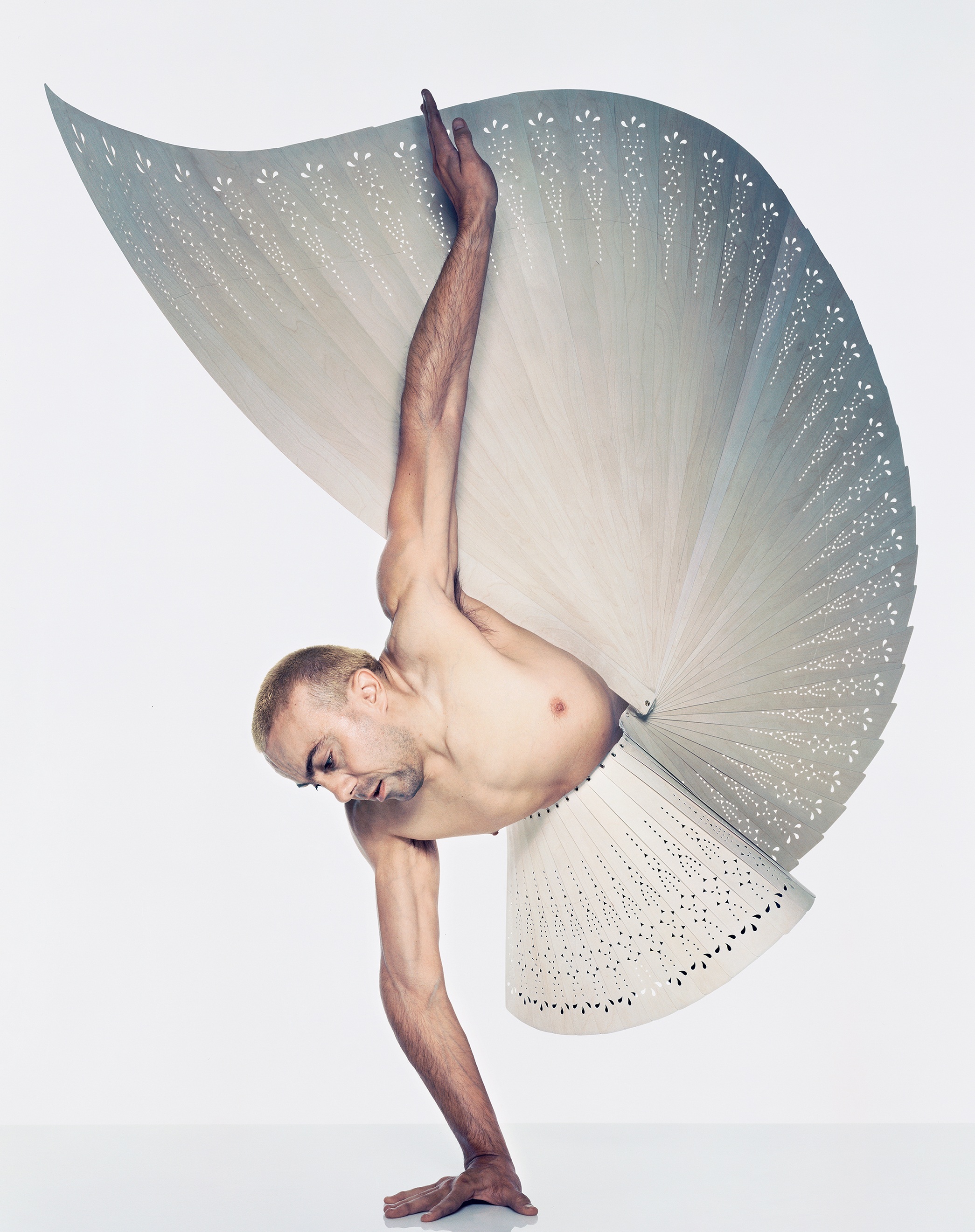 Nick Knight, David Toole, 1998, printed 2016. Image courtesy of Nick Knight SHOW Studio
Artists including Tracey Emin, Sarah Lucas, Sam Taylor-Johnson, Jenny Saville and Gillian Wearing brought a confrontational honesty to themes of class, sexuality and selfhood—work that would define British contemporary art on an international stage.
Nightlife and subculture also take centre stage. From Mark Leckey’s seminal Fiorucci Made Me Hardcore to photography documenting the energy of The Haçienda, Bagley’s, jungle, drum and bass, queer nightlife and rave culture, the exhibition captures a Britain powered by sound systems, underground scenes and youth-led reinvention.
But The 90s also looks beneath the sheen of Cool Britannia, spotlighting artists and designers whose work challenged dominant narratives. Steve McQueen’s Bear (1993), No Woman, No Cry by Chris Ofili, and work by Keith Piper foreground race, identity and national belonging, while designers including Ozwald Boateng and Joe Casely-Hayford expanded what British style could look like.
The show also explores the decade’s darker conceptual edge—from the unsettling body politics of Helen Chadwick and Cathy de Monchaux to the clinical spectacle of Damien Hirst’s formaldehyde works—alongside the visionary fashion of Hussein Chalayan and McQueen, whose theatrical, often disturbing collections dissolved the boundaries between fashion and performance.
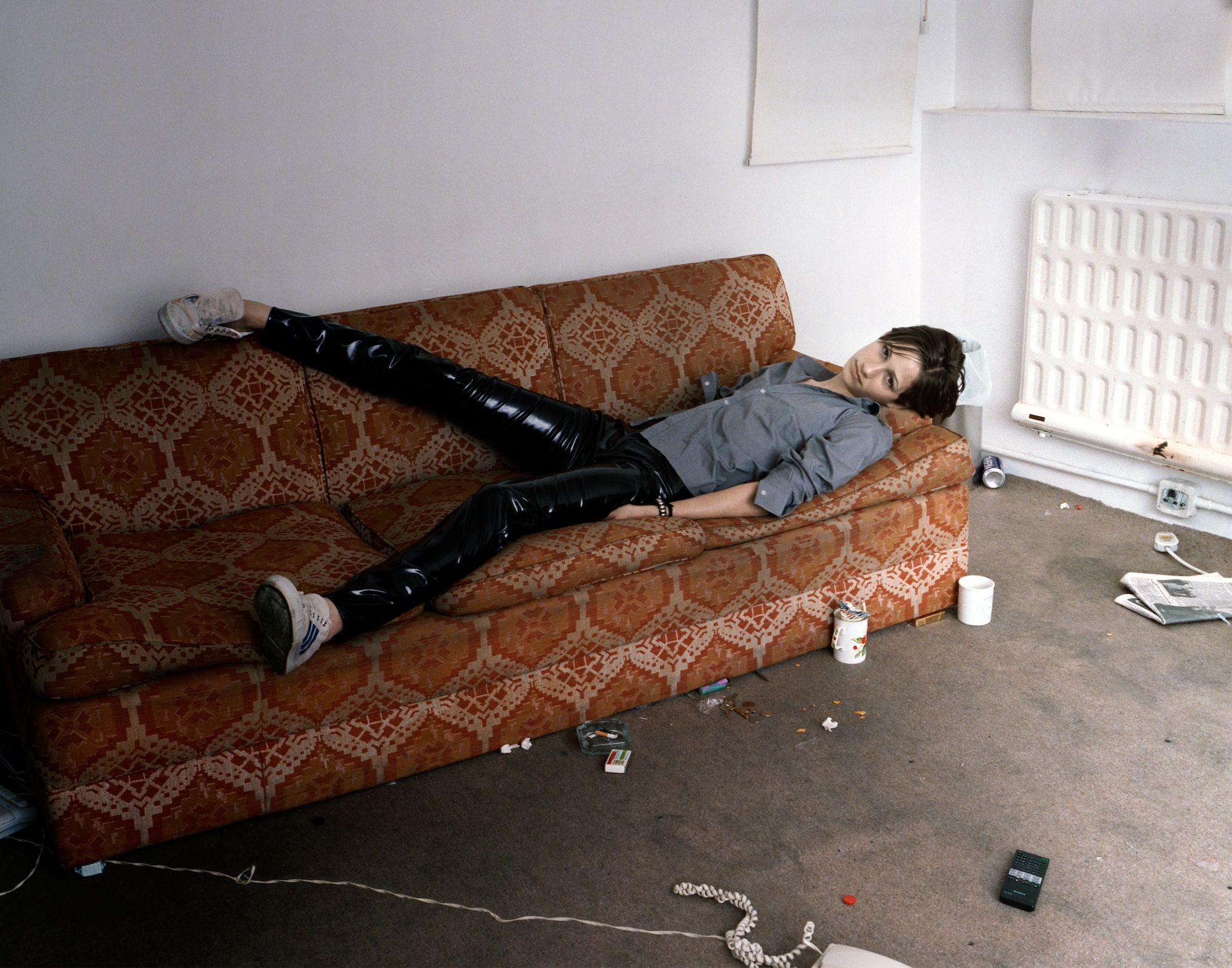 Corinne Day England’s Dreaming, The Face, August 1993 1993 © Corinne Day Estate
Closing with figures including Yinka Shonibare, Maud Sulter, Vivienne Westwood and John Galliano, the exhibition reflects on the decade’s legacy—one suspended between nostalgia and reinvention, excess and critique, optimism and anxiety.
More than a look back, The 90s: Art and Fashion promises to revisit a decade that fundamentally changed how Britain looked, dressed, made art, and imagined itself.
The 90s: Art and Fashion, 8th October 2026 – 14th February 2027, Tate Britain
Tickets available at tate.org.uk and +44(0)20 7887 8888
The 90s: Art and Fashion is supported by The 90s Exhibition Supporters Circle. With additional support from Tate International Council, Tate Patrons, Tate Members and Tate Americas Foundation. Curated by Edward Enninful, OBE with Jessica Vaughan, Curator, Contemporary British Art; Helen Little, Curator, Contemporary British Art; Dominique Heyse-Moore, Senior Curator, Contemporary British Art; Alex Farquharson, Director, Tate Britain; and Celeste McEvoy, Assistant Curator, Contemporary British Art, Tate Britain.
Tate Members get unlimited free entry to all Tate exhibitions. Become a Member at tate.org.uk/members. Everyone aged 16-25 can visit all Tate exhibitions for £5 by joining Tate Collective. To join for free, visit tate.org.uk/tate-collective.
List of artists:
Abigail Lane, Alexander McQueen (with Sarah Harmarnee), Barbara Walker, Cathy de Monchaux, Cerith Wyn Evans, Chris Ofili, Corinne Day, Craig McDean, Damien Hirst, David Sims, David Swindells, Des Willie, Donald Rodney, Eddie Otchere, Eileen Perrier, Elaine Constantine, Ellen von Unwerth, Ewen Spencer, Fergus Greer, Gary Hume, Gillian Wearing, Glenn Luchford, Hamad Butt, Helen Chadwick, Hussein Chalayan, Jake and Dinos Chapman, Jason Evans (with stylist Simon Foxton), Jenny Saville, Joe Casely Hayford, John Galliano, Jon Shard, Juergen Teller, Koto Bolofo, Mark Leckey, Mark Mattock, Mark McNulty, Maud Sulter, Mischa Haller, Mona Hatoum, Nick Knight, Nigel Shafran, Normski (Norman Anderson), Ozwald Boateng, Peter J Walsh, Philip Treacy, Poulomi Desai, Rachel Whiteread, Roshini Kempadoo, Sam Taylor?Johnson, Sarah Lucas, Sean Ellis (styled by Isabella Blow), Seana Gavin, Shaun Leane, Steve McQueen, Sonia Boyce, Sophy Rickett, Stella McCartney, Stephen Jones, Steven Meisel, Stuart Linden Rhodes, Tony Davis, Tracey Emin, Vinca Petersen, Vivienne Westwood, Wolfgang Tillmans and Yinka Shonibare.
About the curator
Regarded as one of the leading voices in the creative industry working today, Edward Enninful OBE, has helped bring widespread distinction to global fashion. Edward has a long-standing track record for delivering impactful storytelling and championing diverse and emerging talent within the industry. Born to a Ghanaian army officer and a seamstress, Edward became the youngest ever fashion editor of an international publication, i-D magazine, at 18. Quickly making his mark within the industry, by 1998, he became a contributing fixture at Italian Vogue, catapulting him into world recognition as a leading stylist and cultural contributor. Here, Edward spearheaded “The Black Issue” which featured only black women, and which started the necessary dialogue amongst a wider public audience that continues today. Edward continued to use his voice to make a positive impact in the industry with roles at American Vogue, W Magazine and most recently, British Vogue – becoming the first black person to serve as Editor-in-Chief in Vogue’s history and successfully transforming the publication into a diverse and inclusive multi-platform brand. In 2025, Enninful launched EE72, his new global media and entertainment company, where he serves as co-founder and Chief Creative Officer. EE72 develops and produces transformational content, immersive experiences and innovative products that challenge audiences to see the world through new eyes. Edward’s dedication to diversity in fashion was honoured with the presentation of an OBE.
CategoriesTags