
 Reckitt Benckiser vs Haleon: which is set up best for coming results? Proactive uses images sourced from Shutterstock
Reckitt Benckiser Group PLC (LSE:RKT, FRA:3RB, XETRA:3RB) is unlikely to see a positive catalyst from its first-quarter update, Citi believes, in light of softer trading conditions across key markets, preferring Haleon PLC (LSE:HLN, NYSE:HLN) in the sector.
The sector faces pressure from weak US flu data, emerging market pricing unwinding and European promotional pressures, which are expected to weigh on near-term performance.
Citi analysts said the outlook could improve from the second quarter, as the impact of seasonal flu eases and comparisons in over-the-counter products become less demanding.
They also expect emerging markets growth to prove more resilient for RB, supported by exposure to categories linked to urbanisation and essential consumer needs.
However, the broker cautioned that cost pressures remain a risk.
It said Haleon’s cost of goods structure “may prove relatively more defensive” in a cost reflation context, while Reckitt’s exposure to oil-linked inputs could weigh on margins.
European pricing, particularly in autodish products, is also expected to remain challenging, raising the risk of a second-half squeeze on gross margins.
Even so, Citi said Reckitt’s “portfolio optionality” and emerging markets exposure should help support valuation in the second half of the year.
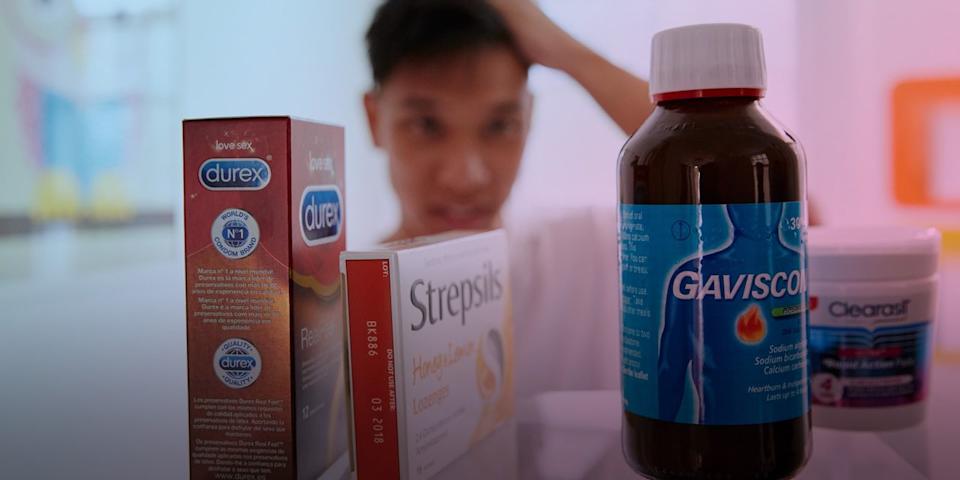
Reckitt’s portfolio includes brands such as Dettol, Durex and Finish, spanning hygiene, health and home, while Haleon focuses just on consumer healthcare products, including Sensodyne toothpaste, Panadol pain relief and Centrum vitamins. In the cold and flu market, Reckitt sells Lemsip and Mucinex, while Haleon’s portfolio includes Panadol Cold & Flu and Theraflu