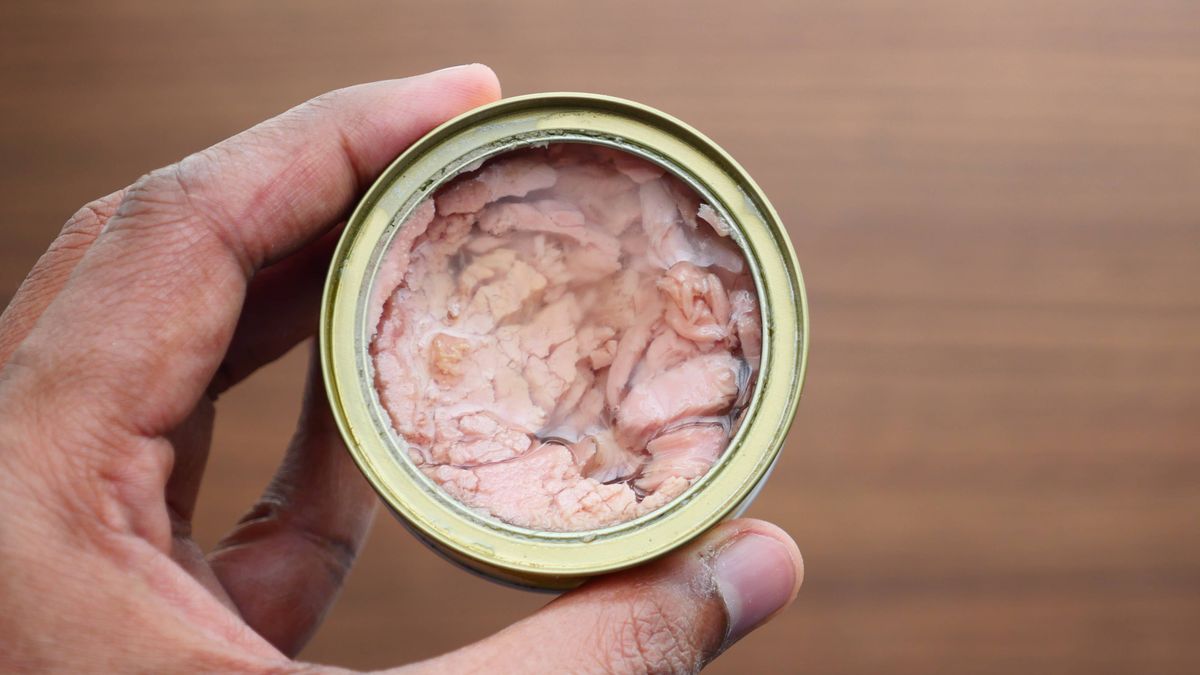
Warning to anyone who drains tinned tuna liquid down their sink
Charlotte Smith Senior Lifestyle Content Editor
13:06, 27 Jun 2026

Draining tuna down the sink could lead to unpleasant issues with your drains(Image: Getty )
Anyone who pours liquid from tinned tuna down their sink has been warned to stop in a new advisory. While the action may appear innocent enough, it could have serious repercussions not just for your kitchen drains but also for your local sewer network.
On Friday (June 26), BBC DIY SOS presenter Nick Knowles appeared on Morning Live to discuss fatbergs. These are substantial, solid blockages composed of fats, oils, and greases that combine with other debris, causing significant problems in sewer systems and drains.
Fatbergs can trigger severe flooding in homes, result in raw sewage spilling into waterways, harbour antibiotic-resistant superbugs, and cost millions of pounds in manual, high-pressure extraction work. Should you suspect a blockage near your property, your first port of call should be your water provider.
To minimise your chances of experiencing the unpleasant effects of a fatberg, Nick Knowles cautioned people against pouring certain food items down toilets and sinks. One particular item he highlighted was the liquid from tinned tuna, reports the Mirror.
“Don’t pour your oils down the sink. I mean, most people know not to pour oils down your sink in the bathroom or in your kitchen now. But actually, most of us will drain a tin of tuna into the sink. With the oil that’s in a tin of tuna, or maybe the fat from an air fryer, or coffee grounds, all these things, add to create a block.”
Content cannot be displayed without consent
To prevent blocked pipes and fatbergs, ensure oils and fats are kept well away from your drains. Instead, you can absorb small quantities of liquid using kitchen roll and dispose of them in the bin, decant it into a sealed container or use it again for cooking.
Avoid pouring tuna brine or oil down the sink. While brine mainly consists of water and salt, leftover fish oils or bits that go down the drain can accumulate, mix with soap, and lead to serious plumbing blockages or fatbergs.
Following cooking with oil, Nick advises allowing the oil to cool completely before scraping it into a disposable container. “Like a baked bean tin or anything else that you’re throwing, and put them in the bin and get rid of them that way”, he said.
Additional items he warns people against pouring down their drains include food grease, food scraps and coffee grounds. He also issued a caution to anyone with a toilet in their home.

Avoid pouring oils, greese, food scraps and coffee grounds down the sink (stock image)
He advised viewers to never flush cotton buds, nappies or wet wipes down the toilet. He said: “Wet wipes in particular… All the governments, England, Ireland, Scotland, Wales, and Northern Ireland, are going to be stopping the use of plastics in wet wipes, which will actually be a major boon in terms of stopping that happening.”
Nick also outlined a series of warning signs indicating a likely blockage in your drains or your area’s sewer network. These include:
slow drainingodoursgurgling noisespooling water by manholds
To give viewers a sense of just how enormous fatbergs can become, Nick offered some startling size comparisons. He said: “In cities, you can go on tours and walk through the drains. A fatberg found near Terminal Five at Heathrow was the size of seven hundred suitcases, or the equivalent of five football pitches.”