What were the downsides?
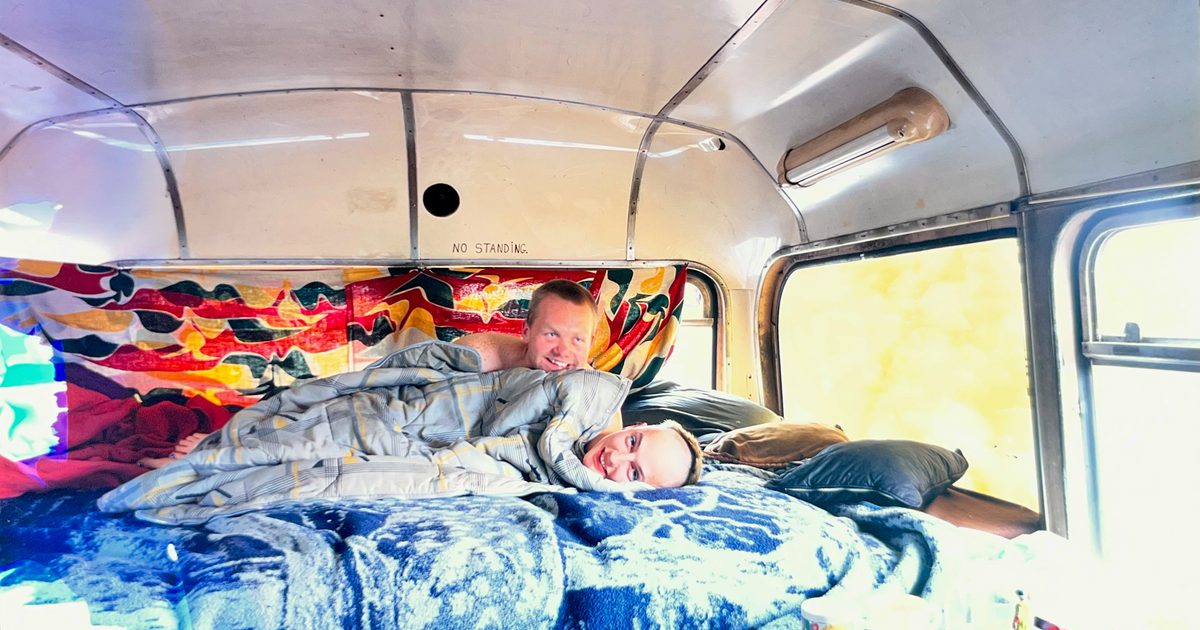
Looking back now I look through rose-tinted glasses – they’re beautiful, they’re colourful with beautiful young people. It looks so lovely and I’ve got wonderful memories of those people in those times. But at the same time I do remember moving into a squat, it was freezing cold, it had broken windows and the first night in your squat you’It feels as if we’re just training people who don’t come from wealthy backgrounds to become slaves to capitalism. Preparing them for jobs that don’t require thought, just producing a product without any creativity. re up most of the night. You’d think someone is going to come down, kick down the door, beat you up with a baseball bat and throw your stuff out on the street. I have been evicted from lots of squats and people can be pretty horrible.
We knew what we were doing so we never squatted private property – it was already a squat or council houses that had been left. What you’ve got to remember is that when Margaret Thatcher came in, she starved all the money from the local authorities and they had to sell their houses. The only money that they could spend on housing was for big housing estates. As soon as the tenant moved out, the place became derelict and the council wouldn’t re-house people in them and they sold them. But the trouble was the council had to sell them, but then the money didn’t go back to the council who built them, they had to go to the central government. So all of the councils were pissed off and they weren’t even bothered about selling them, they sold them in job lots auctions. We knew that places wouldn’t be up for auction for a year or two years so there was no conflict. We never squatted in someone’s place.
If anything you were doing them a favour, because you were keeping these buildings from getting into a complete state of disrepair.
Exactly.
Without squatting, I think a lot of these lovely buildings, these Victorian and Edwardian houses wouldn’t exist.
We saved streets, we squatted Sutton House, a National Trust house in Hackney. That would have probably been knocked down if it wasn’t squatted. There’s so many wonderful places we’ve saved from squatting. Mostly when the council came, they came with bailiffs. It was always an immense hassle with them, and it’s a horrible feeling being evicted when you have absolutely no idea where you’re going next. The major downside to that life is that you never feel as though you have a permanent, safe place to live. It would have been so nice if the council had just said, “We’ve got this short-life property, so here is a proper tenancy and you can stay there permanently.”
Did you ever remain in the squat and eventually gain a legal tenancy? Or would you know anyone who did?
On our street, there were three houses that had been squatted for longer than 12 years [the length of time needed for adverse possession] and across the two squatted streets as a whole, people actually managed to keep their homes. In the very last house we occupied, the council came to evict us, but they got the paperwork wrong, as they pretty much did all the time, and the bailiffs never even turned up. Because of that mistake, the council essentially told us we might as well stay, granting us a license that allowed us to remain until they wanted us gone again. While that technically made us license holders once, it was actually no different in reality, and I never personally managed to own a property in those 12 years.
Despite that, we ultimately won the battle to save the whole neighbourhood, keeping two full streets and about 25 houses that successfully turned into a housing cooperative. That cooperative on Ellingfort Road and London Lane, right by London Fields, is where all my friends and their children still live today, completely secure with affordable rents. Today, they have proper tenancies where they can’t be evicted, because we managed to buy all the houses through a housing association and then paid back the borrowed money entirely through the residents’ rents. They’re like 100-year mortgages, which has worked out incredibly well for keeping our community intact. If we hadn’t done it, we would have faced the same fate as all the other squats and communities nearby where everyone was evicted. The houses were turned into flats, and the people were forced to move out of London entirely.