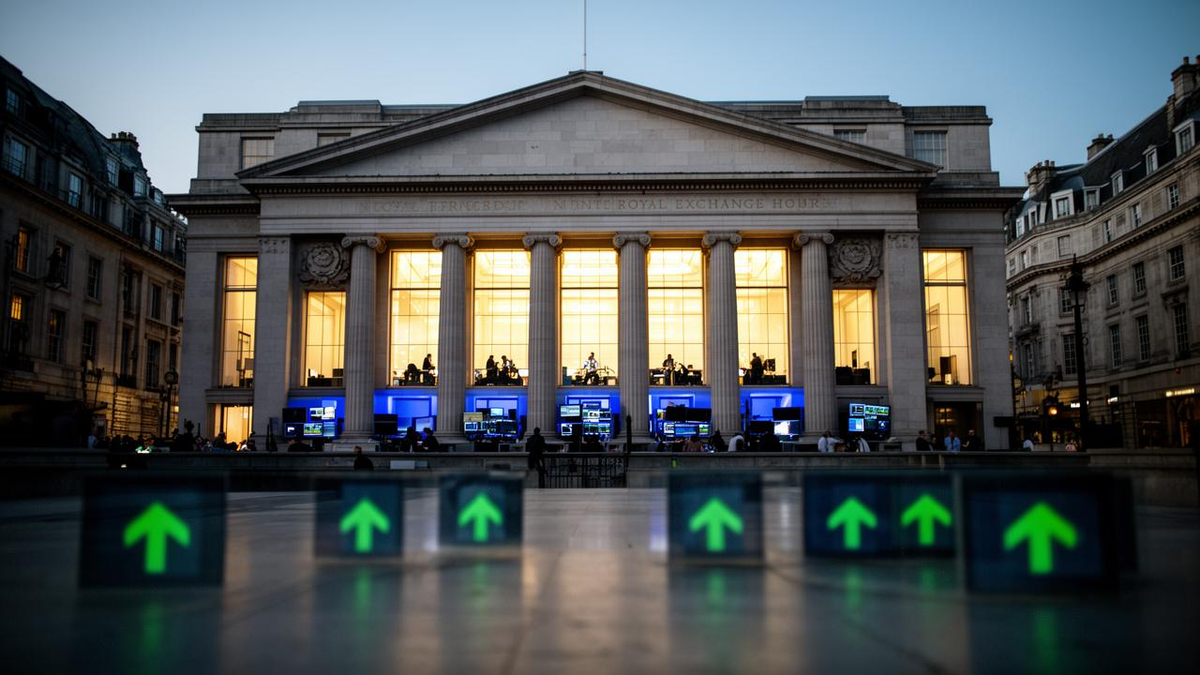
Global capital markets are undergoing a major transformation in trading hours. The London Stock Exchange Group, an institution with over three centuries of history, has officially announced the launch of a new trading venue called “LSE 24,” targeting nearly 22.83 hours of “near-continuous trading” daily during the work week, with an initial rollout expected in the first half of 2027.
Specific details of the plan were first disclosed in an announcement released by the London Stock Exchange on Tuesday. Under the plan, LSE 24 will operate independently from the exchange’s existing main market, with trading hours set from 5:00 p.m. to 7:50 a.m. London time, precisely filling the gap between the traditional after-hours session and the next day’s market open. The main market’s regular trading session will remain unchanged and continue to operate as normal.
Julia Hoggett, CEO of the London Stock Exchange, said in the announcement that LSE 24 will provide clients with “greater flexibility beyond traditional trading hours” while effectively enhancing market liquidity and participation. Industry insiders note that this plan is not a sudden impulse but a critical strategic response to the dramatic shifts in the global investment ecosystem.
From Open Outcry to Around-the-Clock Trading: The Digital Transformation of a 300-Year-Old Exchange
Traditional stock exchange trading hours were historically built around physical trading floors, where order recording and organization relied heavily on manual processing. Many major exchanges even incorporated lunch breaks into their schedules, reflecting human work patterns rather than the needs of digital systems. However, with the proliferation of electronic trading, investors now expect to buy and sell assets instantly without being constrained by working hours, much like they handle digital assets.
The primary drivers behind extended trading hours are active retail participation, the trend toward global equity investing, and the around-the-clock operating model of cryptocurrency markets. Trading activity occurring outside traditional market hours is growing steadily, placing increasing competitive and regulatory pressure on existing exchanges.
According to the London Stock Exchange’s plan, exchange-traded products (ETPs) will be the first tradable assets on the LSE 24 platform, with an official launch expected in the first half of 2027. Prior to that, the platform will open for client testing by the end of 2026 as a warm-up for full operations.
The Double-Edged Sword of Liquidity and Volatility
While extended trading hours offer greater convenience, they also introduce complex structural challenges to the market. Market intelligence indicates that fully implementing 24/7 stock trading still involves operational and market structure complexities. At the core lies the issue of liquidity and price discovery mechanisms.
Outside traditional trading hours, with fewer participants, overnight order books can be relatively thin, potentially leading to wider bid-ask spreads and amplified price volatility. Therefore, how exchanges design the mechanics of overnight trading sessions is just as important as simply opening up trading itself.
Furthermore, operational challenges cannot be overlooked. Brokerages, clearing systems, and compliance teams all need to adjust their infrastructure to support continuous trading activity. This includes staffing and risk monitoring, which must now cover periods previously regarded as downtime.
Market Transformation Driven by Retail Investors and Crypto Culture
This wave of extended trading hours is underpinned by profound structural market factors. Retail investors increasingly expect to trade traditional assets anytime and anywhere, just as they do with cryptocurrencies. Prediction market platform Kalshi recently sought regulatory approval to list perpetual futures on gold, silver, and platinum—leveraged contracts with no expiration date that cater precisely to retail demand for around-the-clock market access.
The London Stock Exchange’s move is also seen as a direct response to global competitive pressures and the rise of digitally native markets. At a time when major global financial centers are competing for liquidity and listing resources, offering longer trading hours has become a crucial lever for attracting international capital.
Notably, this initiative comes as the 300-year-old exchange navigates a period of turbulence. Struggling to attract new listings, initial public offerings (IPOs) have become a focal point of concern for the London Stock Exchange, ultimately causing the platform to fall out of the global top 20 rankings. Against this backdrop, launching the LSE 24 platform represents not just a technological upgrade, but carries the strategic significance of restoring market appeal and regaining lost ground.
From Plan to Reality: What the Market Watches Next
Although the launch plan for LSE 24 has been formally announced, numerous details remain to be clarified between the plan and its official rollout. Market participants will closely monitor several key questions: when the final launch date will be confirmed, which financial instruments will be included in overnight trading, and whether the infrastructure is ready to operate safely at scale.
Another core unknown is the actual demand for overnight trading. Whether trading volumes during non-standard hours are sufficient to support an orderly price formation mechanism, or whether risks become concentrated due to excessively thin liquidity, will determine the practical significance of this transformation.
With the LSE 24 testing program set to commence by the end of this year and a potential official launch in the first half of 2027, the eyes of global investors and market regulators will be fixed on how this venerable exchange bridges three centuries of tradition with the 21st-century culture of always-on digital markets.