Cymat Technologies (TSX-V:CYM) has signed an agreement to take over customers from Rio Tinto (ASX:RIO) Alcan’s aluminium metal matrix composite (MMC) business as the mining group exits the product line.
The agreement, signed on 17 July, covers Rio Tinto’s commercial MMC customers and related business development opportunities.
Rio Tinto has manufactured and sold its proprietary MMCs for more than 40 years but is exiting the business following a strategic reorganisation.
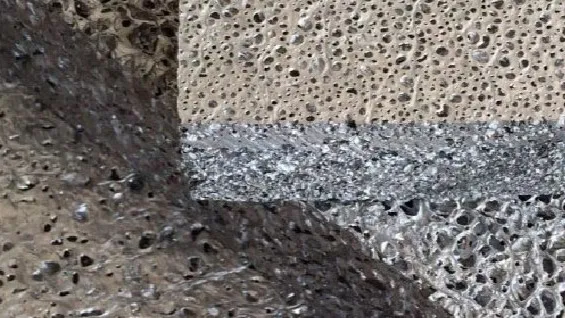
MMC is a ceramic particle-infused aluminium used in lightweight components requiring high wear resistance, primarily in the automotive and rail industries. It is also the main input material used by Cymat to produce stabilised aluminium foam (SAF).
Cymat says it plans to establish MMC production at its existing plant in Mississauga, Canada, using its current engineering expertise and facilities. The company has also begun purchasing MMC from US-based producer MC21, which has offered to assist with deploying production technology.
According to historical sales volumes provided by Rio Tinto, the transferred business could generate C$7.5 million ($7.61 million) to C$10 million in additional annual revenue.
Under the agreement, Cymat will pay Rio Tinto US$750 ($1,072.99) per tonne of MMC sold or used over five years, capped at US$500,000.
Cymat says Rio Tinto’s main customers are European brake disc manufacturers supplying the commercial vehicle and rail markets. Rio Tinto has also received enquiries about using MMC to replace cast iron brake discs ahead of the European Union’s phased Euro 7 emissions standards, which begin in November 2026. These opportunities will transfer to Cymat.
The company estimates the required equipment will cost about C$2 million, which it plans to fund through equipment financing, potential government grants, and cash on hand.
CEO Michael Liik says the agreement will add a new revenue stream, reduce the cost of Cymat’s principal input material, and support the development of new SAF products.
“While this agreement with Rio Tinto has taken much longer than expected to come to fruition, we are finally able to act on this unique opportunity to leverage our existing facilities and unique skill sets, and, in turn, realise a major expansion of our business,” Liik says.
Cymat expects the production line to be fully commissioned and operational by early Q2 2027.
Write to France Pinzon at Mining.com.au
Images: Cymat Technologies
Add to Watch List:Rio TintoCymat TechnologiesAluminium