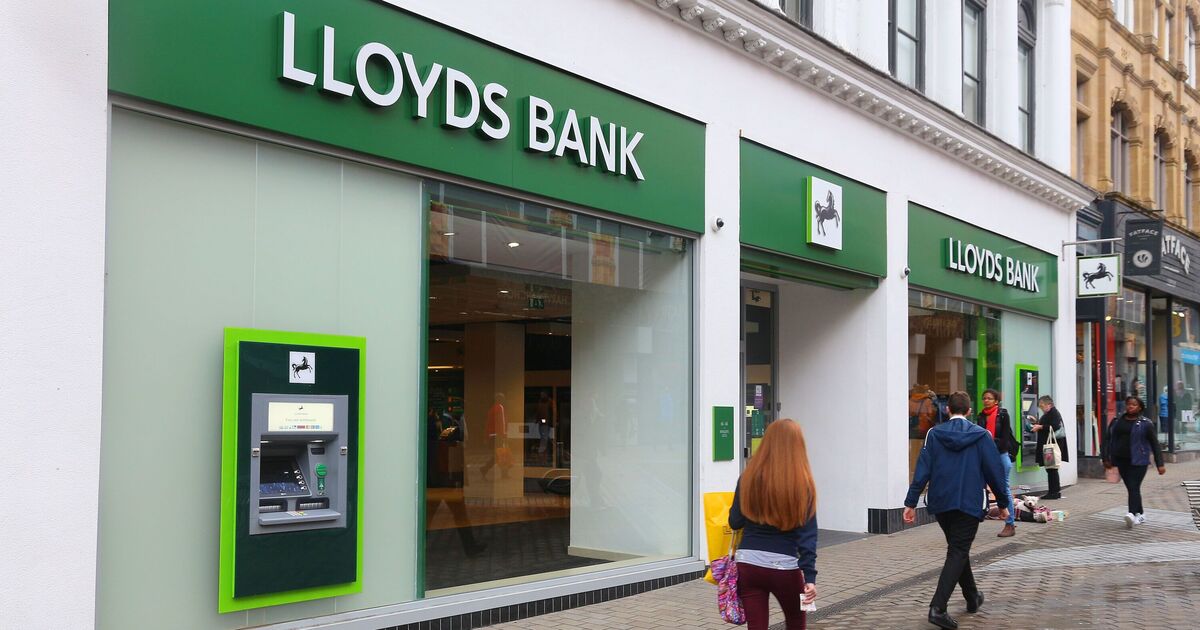
Lloyds Bank and NatWest have confirmed the closure of more bank branches in August. In the last decade, UK towns have seen a significant number of branches close due to several factors, including rising costs and changing consumer habits. The major banks have both said that the majority of their customers use online banking and digital services more than they conduct transactions in branches.
However, for those who prefer face-to-face banking, they are unfortunately paying the price for the disappearance of bank branches across the UK. Lloyds Bank and NatWest are among the major banks that have closed branches this year.
In June, Lloyds Banking Group, which includes Lloyds Bank, Halifax, and Bank of Scotland, confirmed that 31 Lloyds Bank branches will close as part of its latest wave of 79 branch closures between 2026 and 2027.
The banking group confirmed that the closures are linked to a continued decline in branch visits and the ongoing shift to digital banking, adding that it is continuing to invest in face-to-face banking and that all existing branches have now been opened to all Lloyds Banking Group customers.
This means that any Lloyds, Halifax or Bank of Scotland customer can use any of its branches, Which? reports.
NatWest also said that it will continue to support face-to-face banking and is investing in “a seamless mix” of banking methods.
It also confirmed that it will not be announcing any further branch closures until at least 2029.
Solange Chamberlain, CEO, Retail Banking, NatWest Group, said: “We will not announce any further branch closures until at least 2029 and are expanding more flexible and accessible ways to bank, with enhanced support to help customers act with confidence and achieve their financial goals.
“We understand the impact these changes can have for our colleagues and customers, and we will engage personally with all those affected by today’s closure announcement.”