Winnipeg emergency responders will soon start using a medication that immediately halts potentially dangerous opioid withdrawal symptoms after a person is revived from an overdose, giving first repsonders time to find treatment for the person.
Health Canada granted the Winnipeg Fire Paramedic Service an exemption in July that allows its members to use buprenorphine — a prescription opioid medication that curbs withdrawal symptoms and cravings for 24 to 36 hours.
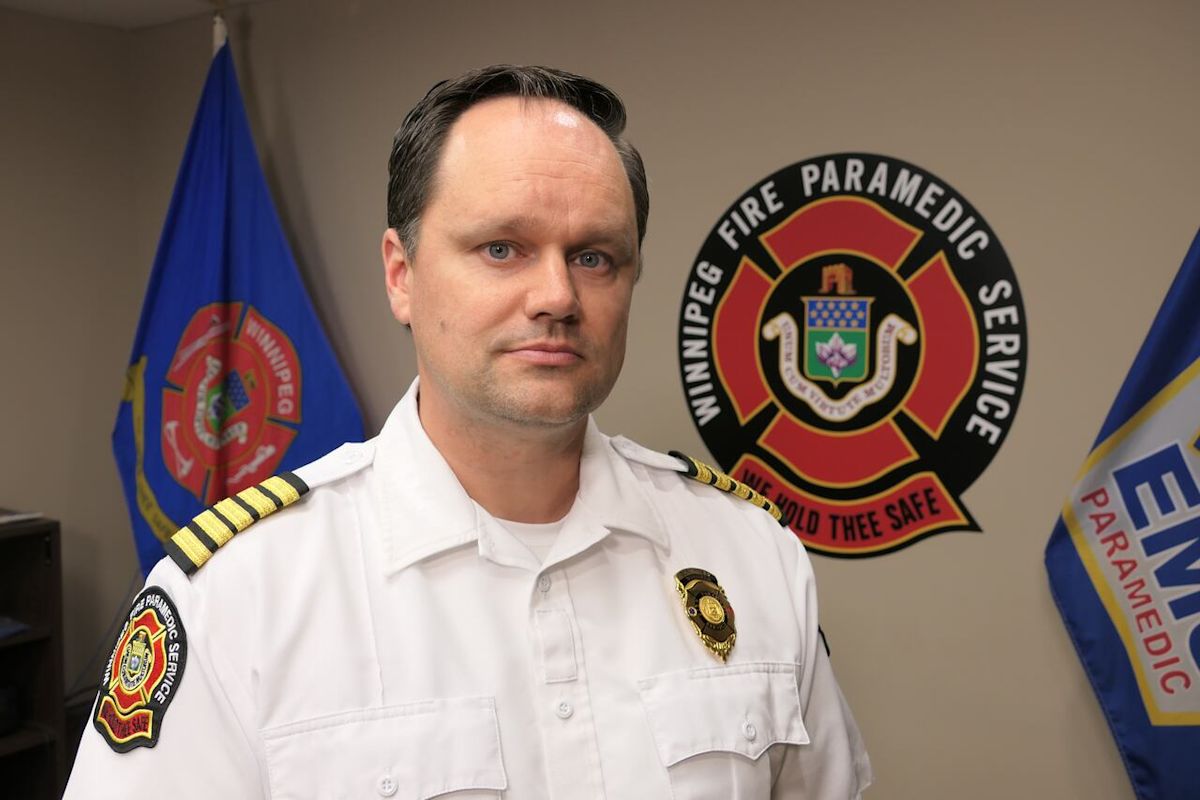
Ryan Sneath, the newly appointed chief of Winnipeg’s fire-paramedic service, said taking away the pain of withdrawal means first responders can connect the person who has overdosed with other supports.
“It’s not an ambulance … [or] a fire truck that they need — it’s community support,” he said.
The approval to use buprenorphine comes as the service responded to almost 700 calls in July, the second-highest number of calls on record for a single month, and the highest number for any July on record.

Winnipeg Fire-Paramedic Service Chief Ryan Sneath says he hopes the new medication can help paramedics stabilize people who have overdosed and connect them with other services. (Jeff Stapleton/CBC)
Beginning this fall, first responders can give the drug in pill form to a patient after they are administered naloxone — a medication that can rapidly reverse an opioid overdose.
However, naloxone can also instantly put the person who has overdosed into painful withdrawal. Buprenorphine “curbs that crash,” Sneath said.
The majority of people who get naloxone from first responders refuse to be transported to hospital and walk away, he said.
Fire-paramedics also find they are reviving the same people over and over again in one shift. That can give crews a feeling of “compassion fatigue,” where the first responder doesn’t feel they’re “offering any help to the individual,” said Sneath.
Being able to use buprenorphine “is an avenue for us to say, ‘We’re going to give you some different treatment.'”
Spike in opioid calls
A CBC investigation this year found Winnipeg fire-paramedics are responding to a steadily growing number of overdose calls, pushing emergency responders to the brink.
In 2019, Winnipeg fire-paramedics responded to about 32 opioid calls a month. The number surged to 800 calls in April of this year.
On a single day that month, fire-paramedics responded to 66 opioid calls.
From April to June of this year, first responders administered naloxone 1,352 times — a 63 per cent increase over the 829 times it was used from January to March, according to provincial data.
The protocol for administering buprenorphine is still being worked out, but Sneath said the aim is to start using it in late September or October. The service had to wait for the exemption from the federal government, because buprenorphine is a controlled substance, and still needs to train responders, he said.
Paramedics in other cities, including Ottawa and Sudbury, have been using opioid medications like buprenorphine for years in response to a growing national crisis.
A 2023 study looked at paramedics in Camden, N.J., who began using buprenorphine on overdose calls. It found those who received the drug were more likely to seek further treatment.
Some Ottawa paramedics started carrying Suboxone — an opioid medication whose active ingredients are buprenorphine and naloxone — in 2024.

Marc-Antoine Deschamps, a superintendent with the Ottawa Paramedic Service, said he has seen first-hand the impact a treatment for opioid withdrawal can have on someone. (Sandra Abma/CBC)
Now, all advanced-care paramedics in the city carry it with them, said Marc-Antoine Deschamps, a superintendent with the Ottawa Paramedic Service.
The service hasn’t started tracking data on its outcomes, but he said first responders are seeing the benefits of Suboxone every time it is used.
He recalled a young woman he found in significant distress, who was agitated and going through withdrawal after being given naloxone.
When she was given Suboxone, she was comfortable and speaking to paramedics within 20 minutes, he said.
“It made a huge difference for that young woman — allowed her to receive the care that she needed and prevented maybe the next overdose,” said Deschamps. “And I think that’s a huge win.”
Outreach workers welcome the new plan
Mitch Bourbonniere, a community outreach worker, said the plan to start using buprenorphine here is “fantastic.”
“That’s what people need. People need appropriate medication to substitute the toxic drugs,” said Bourbonniere.
“They suffer greatly in withdrawal. They’re at risk of dying in withdrawal … [so] let’s get them low-barrier, 24/7 places where they can get this medicine.”
Bourbonniere works with Okichidah Pimahtisiwin Kiskinawmatowin, or OPK — a social service agency that primarily helps Indigenous men who have been involved with gangs or the criminal justice system.
It has partnered with the Downtown Community Safety Partnership to create the Wayfinders program, which helps people in need by connecting them with services and de-escalating conflict.
Dalton Saari, one of the wayfinders with the safety patrol, said they are usually giving naloxone four or five times a day and doing about 50 well-being checks.

Dalton Saari, a wayfinder with the Downtown Community Safety Partnership, said patrols are using naloxone about four or five times each shift. (Jeff Stapleton/CBC)
More access to opioid treatment drugs like methadone and Suboxone is crucial for helping people who are in active addiction, he said, because they can’t get help if they are in withdrawal.
“I think the level of need is higher now than it’s ever been,” said Saari.
Getting drug dealers off the street and providing better access to withdrawal treatment options is another key piece to solving the current crisis, said Bourbonniere.
“There should be more methadone and Suboxone available on the street than toxic meth and opiates,” he said. “That’s what we need.”