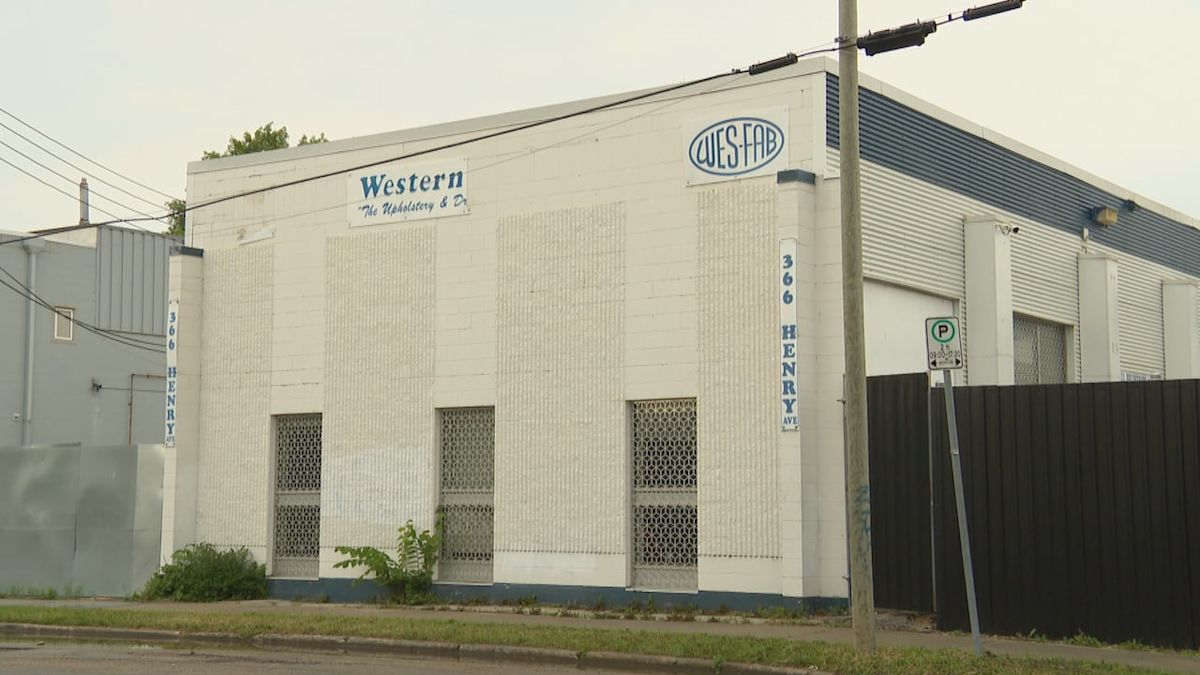
Manitoba’s first supervised consumption site is opening five days a week in Winnipeg after a series of lengthy delays.
The site at 366 Henry Ave. in downtown Winnipeg was scheduled to open at 11 a.m. Tuesday, after several setbacks derailed the province’s plans to establish a facility allowing drug users to consume under the supervision of trained staff.
The province says the site — which will not supply the drugs — will reduce the risk of overdose and other harms while connecting people to resources they need.
The NDP had initially aimed to open the site in 2025. It first proposed opening it on the Disraeli Freeway, but that location was scrapped in September amid stiff opposition from people in the area.
The new location is in an industrial building owned by the province, west of Main Street and south of the Canadian Pacific Kansas City railway yard. An application submitted by the Aboriginal Health and Wellness Centre to operate the site there, in partnership with the province and Shared Health, was filed with Health Canada in December.
Premier Wab Kinew had initially indicated the site would open in March, but that timeline was also scrapped. The site was open for one day in June, with a gradual opening in July allowing staff to train before the Aug. 11 full opening.
Mayor Scott Gillingham said Tuesday that he hopes it drives drug consumption away from city streets.
“I don’t want to see any more use on the streets,” he said at a press conference on downtown safety.
“I know that’s a tall order, but what we need to do is get people that are using off of bus shelters, off of sidewalks. They now have a space to use in the downtown.”
Health Minister Uzoma Asagwara said the opening is first and foremost about providing primary care to people, but it will also support efforts to make the downtown safer by providing people with a place where they can connect with the resources they need.
“The supervised consumption site, of course, is about making sure that people have a place they can safely get services, connected to housing, use safely, not overdose, not die in our streets,” they said.
“This is something that experts and that folks have been calling for for a long time, and it’s going to help our downtown community.”