Edmonton is set to clear the 1.25 million population threshold this year — if it hasn’t already — and urban planners are looking to tweak the city’s long-term development planning to prepare for the next quarter-million newcomers by expanding incentives for infill development to non-residential projects.
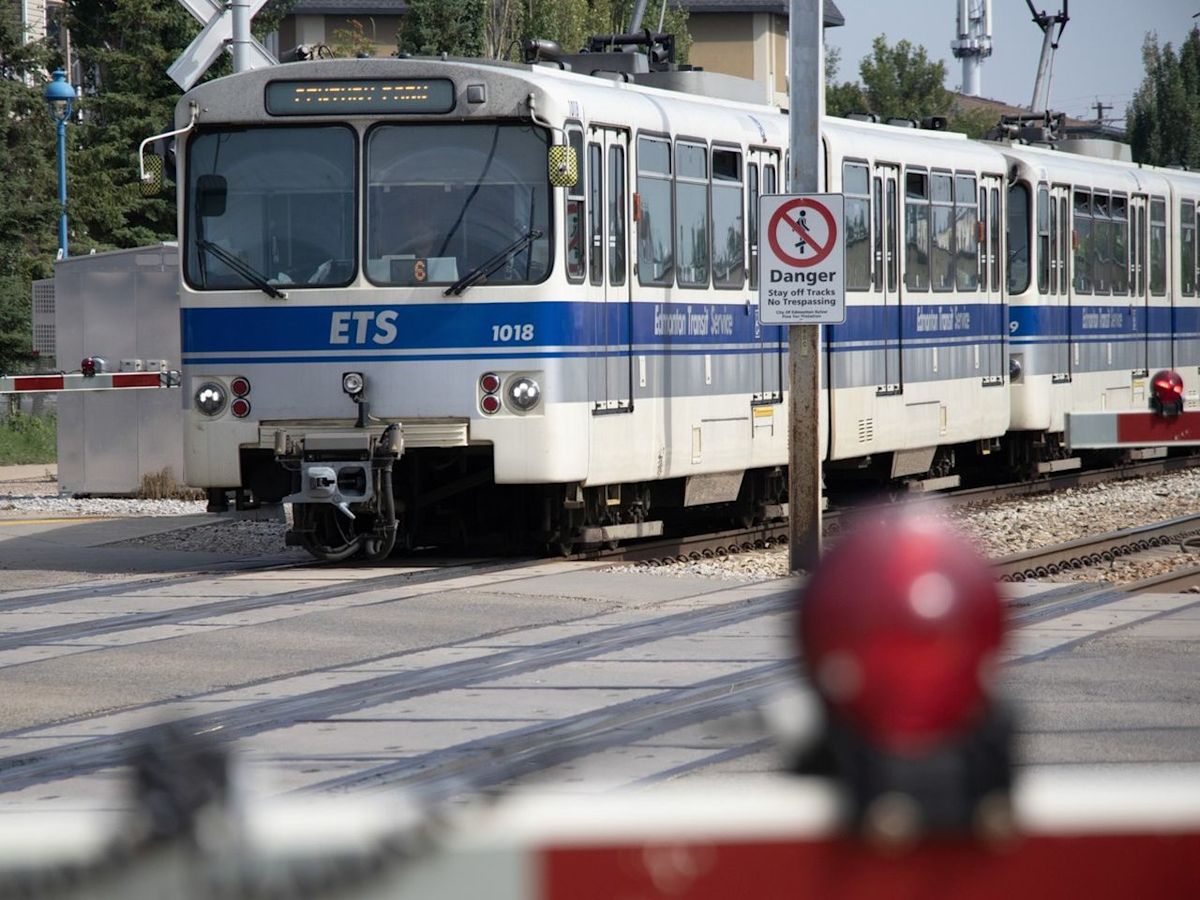
During a Tuesday urban planning committee meeting, the committee directed administration to propose new transit-oriented development guidelines and identify a proactive rezoning process in areas near transit centres, and to explore development incentives for areas outside of priority growth areas (PGAs.)
Councillors were told the city is on course to meet its goal of 50 per cent infill by the time the population clears two million. Infill rate is currently 32 per cent, with over 76,000 new dwelling units built in the last six years — just over half of those new units were within PGAs — the nodes and corridors approved for redevelopment.
However, some argued the city needs to pay more attention to where infill is popping up. Jacob Dawang of Grow Together Edmonton pointed out many of the neighbourhoods that have new LRT stations are currently zoned to remain low-density and called for the city to expand the city plan to include a transit-oriented focus to encourage more infill around transit nodes. He noted many of those LRT stations are outside PGAs, which don’t have the same incentives for infill developers.
Committee chairwoman Anne Stevenson said the reason for that was the federal Housing Accelerator Fund (HAF), which drove much of the infill in recent years, was only eligible for PGAs.
“Every PGA is a transit-oriented development area, but not every transit-oriented development area is a PGA,” she said. “We are looking to provide incentives and support for more development in urban nodes that support walkable, livable and affordable communities.”
Tying both of these issues together, the city is looking to establish an “infill infrastructure program” which is basically an expansion of the previous $45 million Infill Infrastructure Fund, which previously used money from the federal HAF to cover the costs of infrastructure upgrades required for more urban infill development, though the city is still anticipating the expanded program would be funded through new property taxes from the developments, with specific rules for affordable housing developments.
It would expand eligibility for the fund to non-residential developments in the city’s 19 priority growth areas. The program would reimburse developers for their costs of upgrading infrastructure such as water and sewer lines after major projects are completed, with additional incentives such as faster payback for things like climate resiliency or affordable housing. This would allow new development without putting the start-up costs on the initial developer in a project, similar to how the city handles new “greenfield” development in outlying areas.
“What city staff is going to propose is a self-funding model,” said Stevenson. “When we make investments that unlock development, we get to collect property tax, or tax uplift. So what was a bare piece of land before we received minimal tax on that, when something gets built on that, we use that tax uplift to fund that upfront cost.”
Related
Bookmark our website and support our journalism: Don’t miss the news you need to know — add EdmontonJournal.com and EdmontonSun.com to your bookmarks and sign up for our newsletters here.
You can also support our journalism by becoming a digital subscriber. Subscribers gain unlimited access to The Edmonton Journal, Edmonton Sun, National Post and 13 other Canadian news sites. Support us by subscribing today: The Edmonton Journal | The Edmonton Sun.