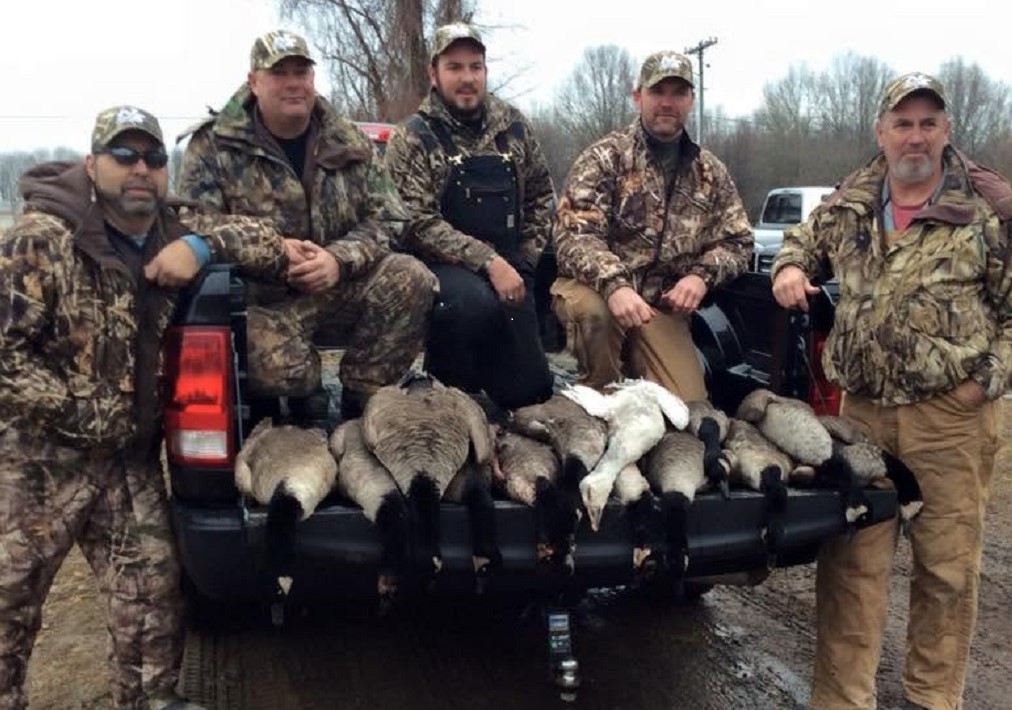
Pennsylvania’s first major 2026-27 firearms hunting season is just weeks away with the first of four resident population Canada goose seasons opening Sept. 1. All of Pennsylvania except for the Atlantic Population zone is open for hunting through September 25 and there is an eight-goose daily bag limit.
Resident Canada geese are often referred to as “nescience” geese because of the damage they do to crops and the disease they spread to domestic animals with their droppings. No matter what they’re called, they provide a fun — albeit not easy — hunt, especially in the early season.
Stealth is required to get in position on a flock of resident Canada geese, and shooting should be coordinated because they quickly take flight as soon as the shotguns bark. They return in season Oct. 24 through Nov. 27, Dec. 15 through Jan. 18 and Jan. 29 through Feb. 20 — with these latter three seasons have a five-bird daily bag limit,
Annual migratory bird seasons are selected by states from frameworks established by the U.S. Fish and Wildlife Service. Pennsylvania Game Commission selections were made after reviewing last year’s hunter harvests, population survey data and public input.
There are two significant changes to Pennsylvania waterfowl seasons this year. First, in the Atlantic Population Zone in southeastern Pennsylvania, the length of the regular Canada goose season has increased from 30 to 45 days, and the daily bag limit has increased from one bird to three birds. Second, the start and end dates of the light goose regular season in both goose zones have shifted later, and a decision on whether a conservation season will be held will be made at a later date.
“Changes to the goose seasons are based on population trends,” PGC Game Bird Section Supervisor Andrew Ward said. “Population estimates for Atlantic Population Canada geese on their northern Quebec breeding grounds have increased, allowing for additional hunting opportunity in the migration and wintering areas of this population.
“Conversely, the population of greater snow geese has been declining, and in 2025 fell below the lower extent of the goal range. A decision on whether to hold a light goose conservation season in 2027 will be made after spring 2026 population surveys are conducted. Even if the conservation season is suspended, the regular season will continue to provide ample hunting opportunity for light geese.”
Other migratory game bird seasons are similar to last year’s seasons, including Sundays remaining closed to migratory game bird hunting in the 2026-27 season. Under federal frameworks, Pennsylvania migratory game bird hunters will continue to have the same total number of hunting days for each species as hunters in Atlantic Flyway states that do allow Sunday hunting for migratory game birds. The Board of Game Commissioners elected to maintain the Sunday hunting closure for migratory birds based on information obtained from focus groups, a public survey and the annual public comment period, but will continue to investigate the issue for 2027-28.
Migratory game bird hunters are encouraged to report banded ducks, geese, doves and woodcock they harvest online at www.reportband.gov. Hunters will be requested to provide information on where, when and what species of migratory birds were taken, in addition to the band number.
This information is crucial to the successful management of migratory birds. Wildlife Operations Division Chief Ian Gregg stressed that reporting leg-bands helps the Game Commission and the U.S. Fish and Wildlife Service learn more about migratory bird movements, and survival and harvest rates, which are critical to population management and setting of hunting regulations.
“Pennsylvania continues to monitor migratory game bird populations in cooperation with other wildlife management agencies across North America,” Gregg said. “Information provided by hunters is essential to manage migratory game bird populations and support sustainable hunting opportunities through time. By reporting the recovery of a leg-band, hunters not only assist in managing the resource, but also have an opportunity to learn interesting facts about the bird they harvested.”
All hunters are required to have a Migratory Game Bird License to hunt migratory birds including waterfowl, doves, woodcock, brant, coots, gallinules, rails and snipe. In addition to a Migratory Game Bird License, waterfowl hunters 16 or older need a federal duck stamp, and if the actual stamp is carried, it must be signed across the face. The electronic duck stamp, or E-Stamp, version of the federal duck stamp has now been authorized for use through the entirety of a waterfowl hunting season.
Stamps can be purchased online at www.HuntFish.PA.gov or at any issuing agent. Physical stamps will be mailed to E-stamp purchasers in March. A Snow Goose Permit is required to participate in the conservation season for light geese, if implemented.